
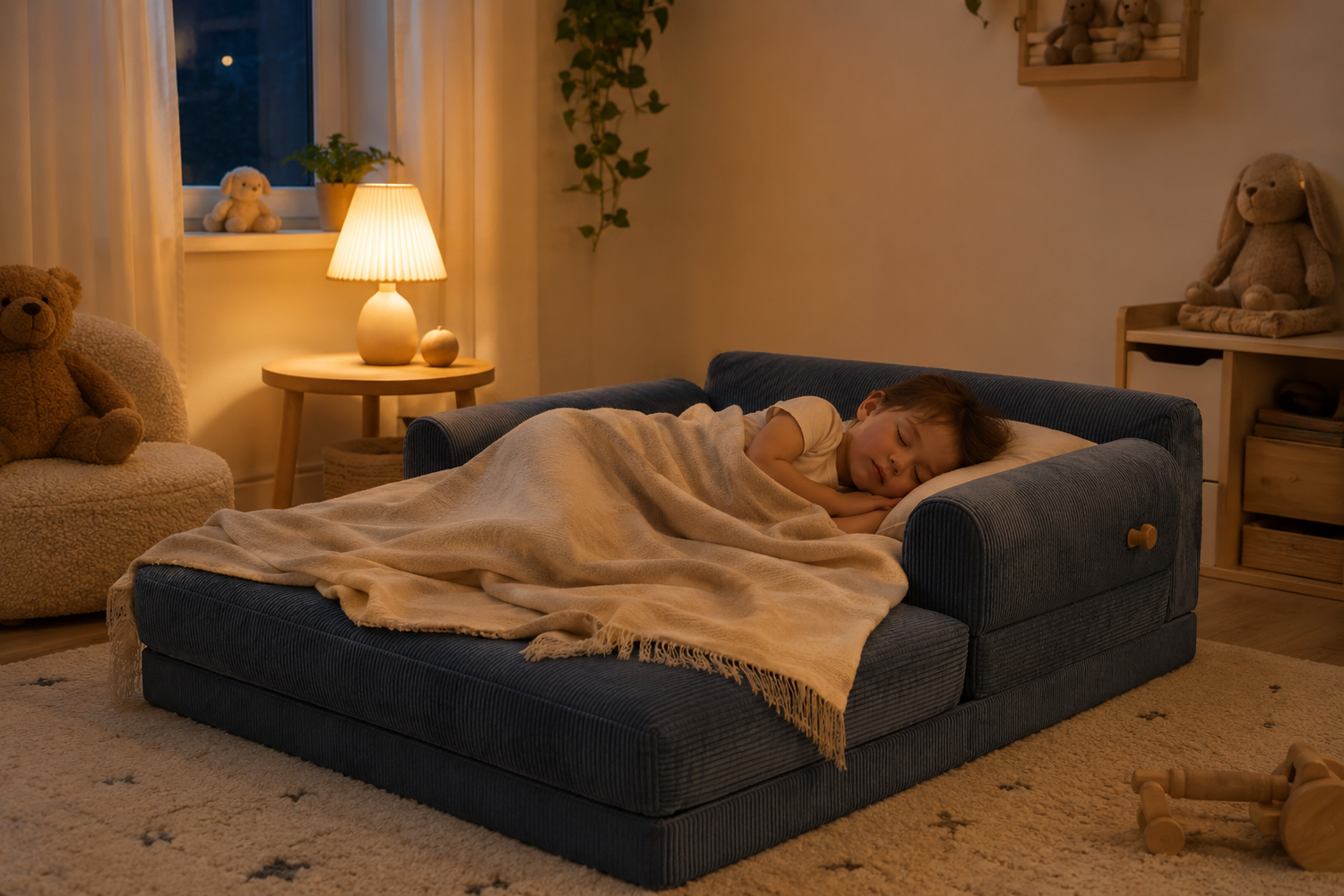
Bedtime can be one of the most emotional parts of the day for both children and parents. Some evenings feel peaceful and comforting, while others quickly turn into stressful routines filled with resistance, overstimulation, or difficulty winding down. Creating a calm sleep environment and a gentle nighttime routine can completely change how children experience bedtime.
A warm and relaxing bedroom atmosphere helps children feel emotionally safe, comfortable, and prepared for rest. From soft lighting and cozy textures to flexible furniture and quiet bedtime rituals, small details often make the biggest difference.
If you are looking for practical ways to improve your child’s bedtime routine, this guide explores calming bedroom ideas, children’s furniture solutions, and comforting nighttime habits that help bedtime feel softer, easier, and more enjoyable for the entire family.
Why Children Sleep Better in a Calm and Cozy Environment
Children respond strongly to their surroundings. A bedroom that feels soft, familiar, and emotionally comforting naturally supports better relaxation before sleep.
When children feel calm and secure, they are more likely to:
- Fall asleep faster
- Resist bedtime less often
- Wake less frequently during the night
- Feel emotionally calmer before bed
- Develop healthier sleep habits over time
A peaceful environment also supports emotional regulation and helps children transition more smoothly from active play into rest mode.
This is why thoughtful children’s bedroom design matters more than many parents realize. The right atmosphere can make bedtime routines feel significantly easier for both children and caregivers.
Create a Gentle Bedtime Routine That Feels Predictable
Children thrive on consistency. A predictable bedtime routine helps signal that the day is ending and sleep is approaching.
Simple nightly rituals help reduce overstimulation and create emotional comfort. Instead of rushing directly from playtime into bed, gradual transitions allow children to naturally slow down.
A calming bedtime routine may include reading books, dimming the lights, listening to quiet music, or spending time in a cozy seating area together. These small habits create positive sleep associations and help bedtime feel safer and more familiar.
Consistency is especially important because irregular schedules can make it harder for children to relax and fall asleep comfortably.
Start With a Bedroom Setup Designed for Comfort
The bedroom environment has a direct impact on sleep quality. A child’s room should feel warm, soft, organized, and relaxing rather than visually overwhelming.
Overstimulating bedrooms filled with excessive toys, bright lighting, or clutter can make bedtime more difficult. Instead, focus on creating a balanced environment that supports both comfort and calmness.
A restful bedroom usually includes:
- Comfortable seating
- Soft bedding and textures
- Warm ambient lighting
- Organized storage
- Flexible furniture
- Minimal visual clutter
Choosing comfortable children’s bedroom furniture also helps create a space where children feel emotionally settled before sleep.
Create a Cozy Wind-Down Space Before Bed
Many children struggle with sudden transitions from active play to bedtime. Creating a small wind-down area inside the bedroom can help make the shift feel gentler and more natural.
A cozy reading corner or soft seating area encourages children to slow down before getting into bed. This space can become part of the nightly bedtime routine and help create a stronger emotional connection to relaxation.
Adding soft pillows, blankets, calming lighting, and comfortable seating helps transform the area into a peaceful nighttime retreat.
Use a Kids Sofa Bed for Reading and Relaxation
One of the best ways to make bedtime feel warmer is by adding flexible and child-friendly seating.
A kids sofa bed from Bench Cushion World creates a comfortable space for:
- Reading bedtime stories
- Quiet play before sleep
- Relaxing after busy days
- Spending calm family time together
Because the seating is soft and supportive, children naturally associate the area with comfort and relaxation.
A well-designed sofa bed for kids also helps maximize space while keeping the bedroom functional and organized. This is especially useful for smaller rooms or shared spaces where furniture needs to remain flexible.
Add Warmth Through Texture and Soft Layers
Warmth is not only about temperature. The textures used throughout a room can strongly affect how comforting the environment feels.
Layering soft materials instantly creates a calmer atmosphere. Plush pillows, cozy blankets, padded seating, and soft fabrics help children feel physically and emotionally more relaxed.
Textiles also soften the visual appearance of the room, making the space feel gentler and more inviting before bedtime.
Custom soft seating solutions help transform ordinary corners into comforting nighttime spaces where children enjoy spending quiet time.
Choose Colors That Support Relaxation
Color psychology plays an important role in children’s bedroom design. Soft and calming tones generally support better relaxation before sleep.
Neutral shades such as beige, warm white, muted gray, and soft pastel tones help create a peaceful atmosphere without feeling boring or cold.
Playful accents can still be included to keep the room visually welcoming, but balance is important. Overly bright or highly stimulating colors may increase energy levels and make bedtime more difficult.
A balanced color palette helps the room feel calmer while still maintaining a child-friendly personality.
Flexible Furniture Helps Children Feel More Comfortable
Modern family homes often require children’s rooms to serve multiple purposes throughout the day. Flexible furniture helps maintain comfort while supporting play, reading, relaxation, and sleep.
Soft modular furniture, floor seating, sofa beds, and adaptable layouts make it easier for rooms to evolve naturally throughout the day.
This flexibility becomes especially valuable in smaller homes where maximizing usable space matters.
Why Floor Beds and Low Seating Feel Less Intimidating
Low-profile furniture can help children feel more independent and emotionally comfortable at bedtime.
Floor-level sleeping arrangements and soft seating setups encourage:
- Easier movement
- Greater independence
- Reduced bedtime anxiety
- Safer nighttime mobility
Toddler floor beds have become increasingly popular because they create a more approachable and child-friendly sleep environment.
Children often feel more confident when they can move freely and comfortably within their own space.
Make Bedtime Easier With Practical Family-Friendly Details
Comfort matters, but practicality matters too. Parents benefit from furniture and soft seating that can handle everyday family life without becoming difficult to maintain.
Practical children’s furniture should ideally include:
- Washable covers
- Soft foam construction
- Lightweight materials
- Durable fabrics
- Non-slip bases
These details help keep the bedroom cleaner, safer, and easier to manage over time.
Furniture designed for real family use supports calmer routines because parents spend less time dealing with unnecessary stress or maintenance.
Small Bedtime Rituals Create Emotional Comfort
Sometimes the smallest nighttime rituals have the biggest emotional impact.
Simple habits such as reading together, turning on a warm bedside lamp, listening to calming music, or having a quiet conversation can help children associate bedtime with comfort and connection.
These rituals create emotional security and help children feel supported as they transition into sleep.
Over time, consistent bedtime routines can significantly improve the overall nighttime experience for the entire family.
Common Mistakes That Make Bedtime More Difficult
One of the most common bedtime mistakes is overstimulation before sleep. Excessive screen time, loud activities, or highly energetic play close to bedtime can make it difficult for children to relax naturally.
Bright overhead lighting is another common issue. Harsh lighting signals alertness rather than relaxation, making it harder for children to wind down emotionally.
Overcrowded bedrooms filled with toys and visual distractions may also increase stimulation levels before bed.
Inconsistent bedtime schedules can make routines feel unpredictable and stressful. Children generally sleep better when nightly habits remain stable and familiar.
Avoiding these common issues helps create a calmer and more comfortable bedtime environment.
Create a Warmer Bedtime Experience With Bench Cushion World
A peaceful bedtime routine begins with a comfortable environment where children feel calm, safe, and emotionally secure.
Soft seating, cozy textures, and flexible furniture can completely change how children experience bedtime each evening. Whether you are creating a reading corner, a wind-down space, or a calming sleep setup, thoughtful design choices help bedtime feel significantly easier and warmer.
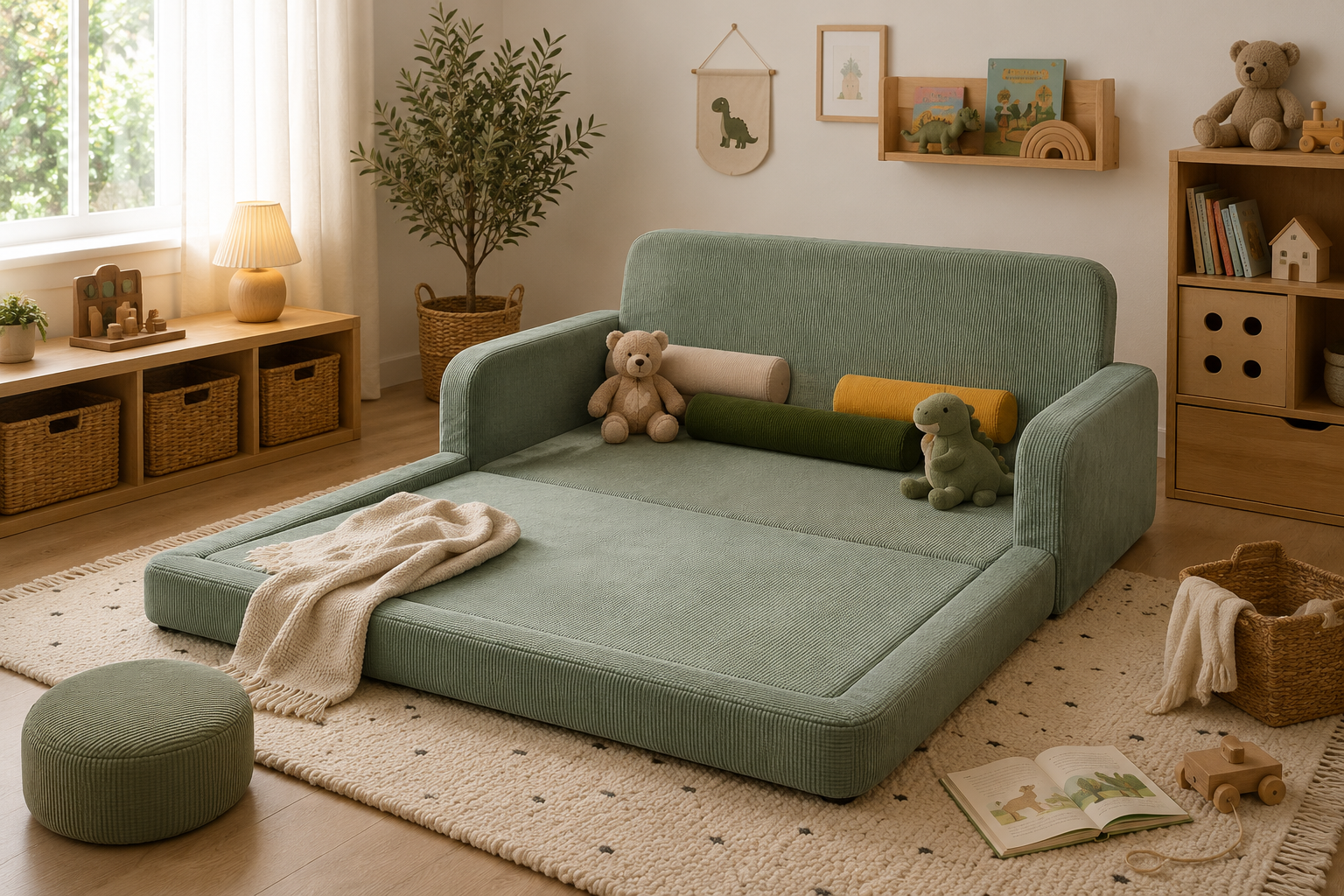
The kids sofa bed collection from Bench Cushion World offers comfortable and playful seating solutions designed for modern family life. These soft and flexible designs help create cozy nighttime spaces that support reading, relaxation, and peaceful bedtime routines.
With the right combination of comfort, warmth, and consistency, bedtime can become one of the calmest and most enjoyable parts of the day for both children and parents.


Leave a comment