
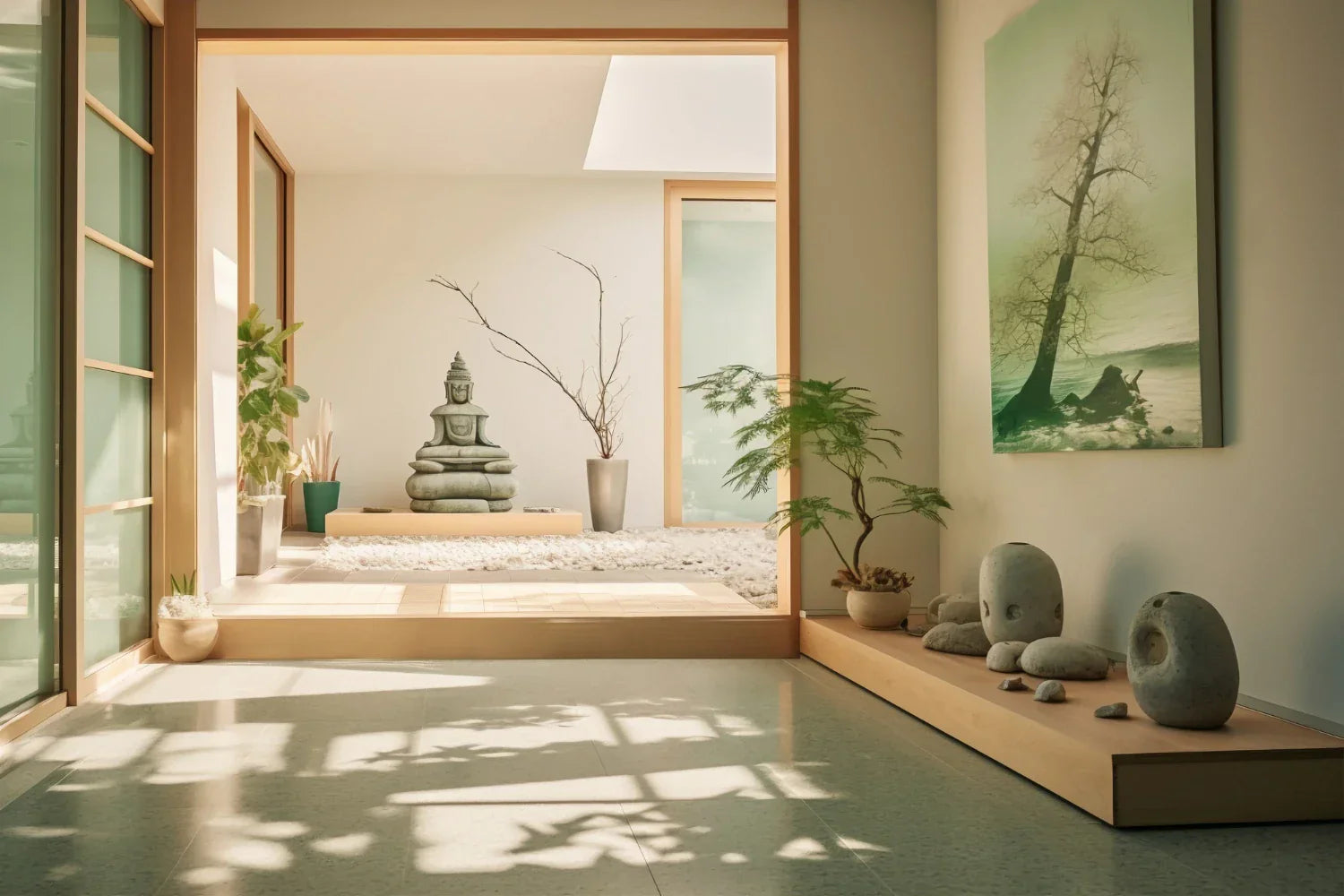
Japanese-style interior decoration is admired for its simplicity, balance, and calming atmosphere. Rooted in centuries-old traditions yet perfectly adaptable to modern homes, this aesthetic focuses on harmony, natural materials, and intentional living. In a fast-paced world filled with visual noise, Japanese style decor offers a refreshing alternative: clarity, warmth, and quiet sophistication. Whether you're redesigning a single bedroom or refreshing your entire home, embracing Japanese-style interior decorating can transform your space into a serene retreat.
What Is Japanese-Style Interior Decoration?
Japanese-style interior decorating centers around minimalism, functionality, and a connection to nature. Unlike heavily decorated interiors that rely on bold statements and layered accessories, Japanese style home decor is about restraint and purpose. Every element in the room serves a function, and empty space is not considered wasted; it is essential. Open areas allow light to move freely and create a sense of calm, which enhances the overall atmosphere of your home.
In modern homes, particularly in American interiors, this approach works beautifully for anyone seeking balance and a break from cluttered, overstimulating environments. The thoughtful placement of objects and the embrace of empty space create an environment of peace and mindfulness.
Core Principles of Japanese-Style Interior Decoration
To truly embrace Japanese decorating style, it’s important to understand the philosophy behind it. The following key principles guide the overall design:
-
Minimalism: The core of Japanese style interior decorating is minimalism. Every item in the space is purposeful, with a focus on reducing visual clutter. It’s about having just enough—nothing extraneous.
-
Natural Materials: Japanese-style home decor favors materials that come from nature, such as wood, bamboo, rice paper, stone, and linen. These materials bring texture, warmth, and authenticity to the space.
-
Earth-Toned Color Palettes: The color scheme in Japanese interiors tends to draw from earth tones—neutral shades like beige, brown, muted greens, and greys dominate. This approach enhances the tranquil environment, allowing other elements to shine without overwhelming the senses.
-
Clean Architectural Lines: In Japanese interiors, architecture plays a significant role in maintaining visual harmony. Straight lines and simple geometric shapes are key, with an emphasis on open, airy spaces.
-
Functional Furniture: Furniture in Japanese-style interiors is not just aesthetically pleasing but highly functional. Low-profile pieces like futons, tatami mats, and low tables are commonly used to create a harmonious and unobstructed flow in the space.
-
Visual Balance: Japanese-style interior decorating places great importance on visual balance. This can be achieved through symmetry, thoughtful placement of furniture, and creating focal points that enhance the overall aesthetic.
Together, these elements work in tandem to create interiors that feel grounded, harmonious, and serene. The emphasis on balance and natural beauty provides a peaceful retreat where one can disconnect from the chaos of daily life. Whether you’re redesigning your home from scratch or simply looking for ways to integrate a few Japanese-style decor elements into your space, this style offers timeless appeal.
Minimalism and the “Less Is More” Philosophy
Minimalism lies at the core of Japanese style bedroom decor, but it’s not about creating cold, empty spaces. Instead, it’s about the thoughtful selection of objects that bring harmony to the space. The essence of Japanese-style decorating is achieving clarity and calm through simplicity.
To apply this principle in your room:
- Remove excess decorative items that don’t serve a purpose.
- Keep surfaces uncluttered, allowing the beauty of each element to stand out.
- Opt for fewer, but higher-quality furnishings that are both functional and beautiful.
- Ensure breathing space between objects, so each piece feels intentional and not crowded.
When thinking about how to decorate your room Japanese style, the focus should be on creating a serene and balanced environment. By eliminating visual distractions and unnecessary clutter, your space will feel more peaceful and centered.
Natural Materials and Organic Textures
Japanese style interior decoration heavily relies on nature-inspired materials that bring the outside world into your home. The use of organic textures not only softens minimalist spaces but also prevents them from feeling sterile or too cold.
Common natural materials used include:
- Light oak or ash wood: These types of wood add a warm and natural touch.
- Bamboo: Often used in furniture or accents, bamboo adds a sense of tranquility.
- Linen and cotton: These breathable fabrics are perfect for bedding and window treatments.
- Rice paper accents: Typically found in sliding doors or light fixtures, these add a sense of lightness.
- Stone or ceramic decor: Used for vases, pots, or small decorative items, these materials connect the room with nature.
These organic textures create visual interest and depth, maintaining the peacefulness of the space while ensuring it feels welcoming and warm.
Neutral Color Palettes and Earth Tones
Color plays a subtle but significant role in Japanese style bedroom decor. The palette is designed to evoke tranquility and a sense of relaxation. Japanese-style home decor typically utilizes soft, neutral tones that blend seamlessly into any room.
Popular shades include:
- Soft white for clean and crisp spaces.
- Warm beige for a cozy, inviting atmosphere.
- Taupe and muted gray for a sophisticated, calm backdrop.
- Olive green and sand tones to connect the room with nature.
These shades promote relaxation and help maintain visual harmony in the room. Avoid overly saturated or contrasting colors, as they disrupt the calm balance that Japanese style aims to create.
Essential Furniture in Japanese-Style Interior Decoration
Furniture is a key element in achieving the Japanese decorating style aesthetic. The furniture should always feel integrated into the space, enhancing its simplicity and functionality.
Key characteristics of Japanese-style furniture include:
- Low-profile designs: Low beds, low chairs, and minimalistic tables emphasize space and simplicity.
- Simple silhouettes: Clean, geometric shapes that don’t overwhelm the room.
- Visible wood grain: The natural beauty of wood adds warmth and authenticity to the room.
- Minimal ornamentation: Avoid excessive decoration; the beauty lies in the form and function of the furniture.
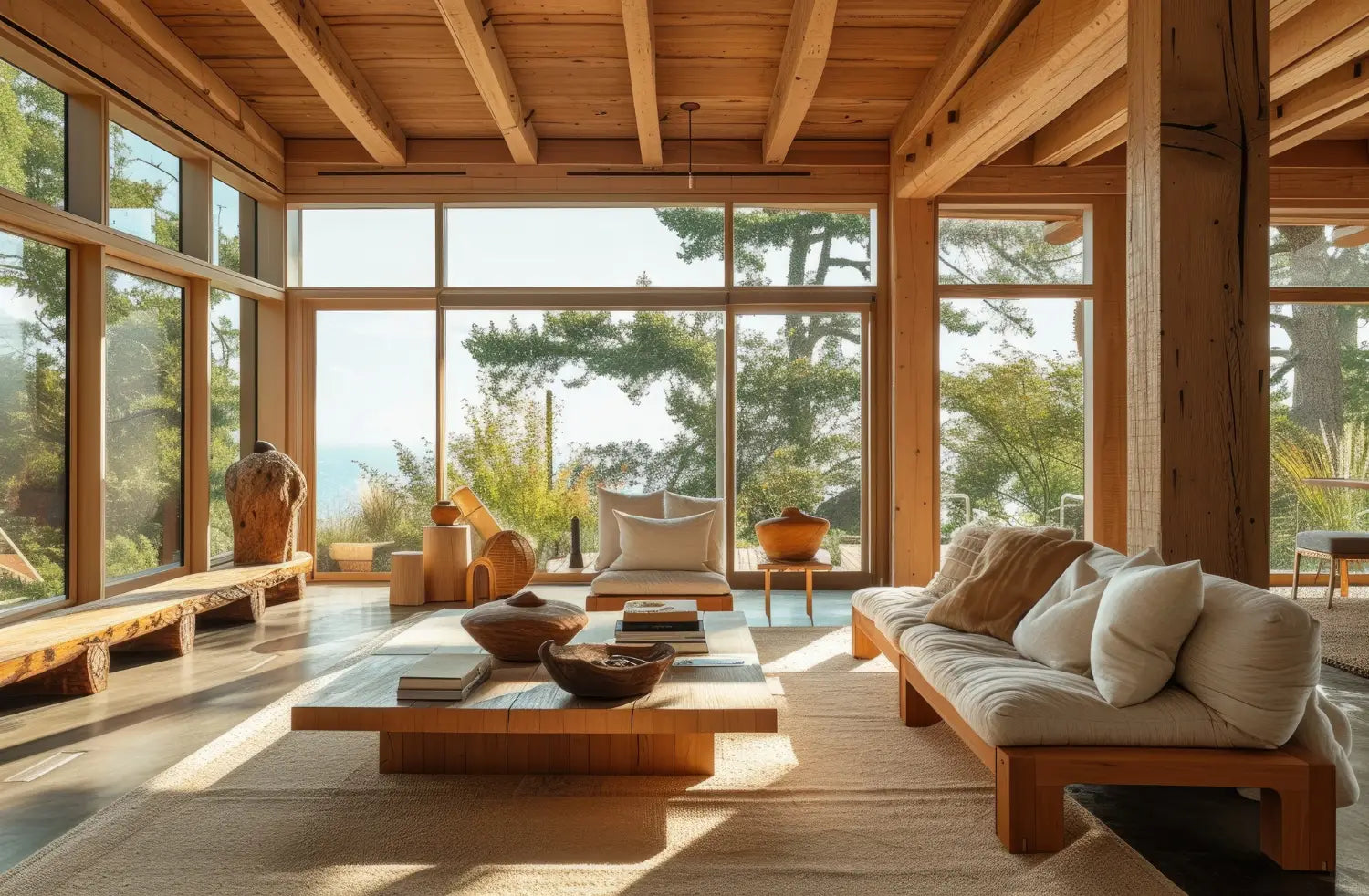
In Japanese-style bedroom decor, platform beds are often chosen to create a grounded, calm presence. Similarly, low benches or floor seating in the living area help to maintain openness and encourage relaxation without dominating the space. Furniture should complement the room rather than compete for attention.
Cushion and Bench Cushion Ideas for Japanese-Style Seating
When it comes to seating in Japanese style home decor, comfort is paramount. However, it’s crucial to avoid bulkiness, as Japanese style favors clean lines and a sense of openness. Many Japanese-inspired homes feature built-in benches, window seating areas, or low platforms, so selecting the right cushions is essential.
If your space includes a bench or window seating area, make sure the cushions fit perfectly. Ill-fitting cushions can create visual gaps that disrupt the clean lines of the room. Investing in high-quality custom bench cushions from Bench Cushion World ensures you get precisely measured cushions that fit seamlessly into the design.
Neutral fabrics such as linen, cotton blends, or textured weaves align beautifully with Japanese style decor principles. A moderate thickness helps maintain comfort without overpowering the minimalist aesthetic.
Removable, washable covers also support long-term maintenance without compromising aesthetics, making them a functional yet stylish choice.
Lighting Tips for Japanese-Style Interior Decoration
Lighting is a crucial component in Japanese-style interior decorating, as it should feel soft, diffused, and calming. Harsh, direct lighting is avoided in favor of lighting options that gently illuminate the space.
Instead of relying on bright ceiling lights, consider using:
- Paper-inspired pendant lamps that provide soft, ambient light.
- Floor lanterns that cast a warm, inviting glow.
- Warm LED bulbs that create a cozy atmosphere.
- Wall sconces that cast indirect light and enhance the room’s visual balance.
Natural light is also highly valued in Japanese-style home decor. Keep window treatments minimal to allow daylight to flow freely and enhance the peaceful ambiance of your space. Lighting should always enhance the peaceful mood of the room and not compete for attention.
Whether you’re looking for bedroom decorating ideas Japanese style or considering how to decorate your room Japanese style, embracing these principles will help transform your space into a tranquil retreat. By focusing on minimalism, natural materials, neutral tones, functional furniture, and soft lighting, your home will exude the calm, harmonious atmosphere that Japanese style is known for.
Designing a Japanese-Style Bedroom
Japanese style bedroom decor focuses on creating a serene, restful environment that encourages relaxation and balance. The design philosophy is rooted in simplicity, minimalism, and functionality, creating a peaceful sanctuary from the hustle and bustle of everyday life.
To create this atmosphere in your bedroom:
- Choose a low platform bed: This is a signature feature of Japanese style bedroom decor. Platform beds create a grounded, calming presence that aligns with the minimalist ethos of Japanese interior design.
- Use neutral bedding: Opt for simple, clean lines in neutral shades like white, beige, or soft gray. Avoid bold patterns or overly ornate bedding. This helps keep the space tranquil and visually light.
- Avoid excessive pillows: Japanese-style beds typically feature minimal pillows. Too many pillows create unnecessary clutter, disrupting the peaceful ambiance.
- Incorporate one or two carefully selected decorative pieces: A few well-chosen items, such as a minimalist vase or a traditional Japanese art print, are enough to introduce personality without overwhelming the space.
- Keep nightstands simple: Nightstands should be functional but understated. Use low, minimalist designs in wood or neutral finishes. Avoid bulky furniture or cluttered surfaces.
The key is maintaining a clutter-free space. Surfaces should remain open to promote mental clarity and better sleep. Even small adjustments, like replacing heavy furniture with lighter wood pieces, can dramatically shift the room's energy and make it feel more airy and open.
How to Decorate Your Room Japanese Style Step-by-Step
Transitioning to Japanese style interior decoration doesn’t have to be a huge overhaul. Small, thoughtful changes can bring this calming aesthetic into your home without the need for a complete renovation.
Here’s how to decorate your room Japanese style step-by-step:
- Declutter thoroughly: Begin by eliminating unnecessary items from the space. The essence of Japanese style is simplicity, so only keep what is truly needed or meaningful.
- Simplify your color palette: Choose neutral and earthy tones for the walls, furniture, and accessories. Soft whites, warm beige, taupes, and muted greens work beautifully to create a peaceful atmosphere.
- Replace bulky furniture with low-profile options: Switch heavy, oversized pieces for low-profile furniture. This could include a low bed, low chairs, or simple tables. The goal is to keep the furniture understated and functional.
- Introduce natural textures: Incorporate natural materials like wood, bamboo, linen, and cotton to add texture and warmth to the room. These materials connect your space to nature and enhance its tranquility.
- Incorporate subtle lighting: Use soft, diffused lighting to create a calm ambiance. Paper lanterns, floor lamps, and sconces with warm LED bulbs work perfectly in Japanese-style rooms.
- Add tailored seating with neutral cushions: Choose simple, elegant seating options, such as low benches or floor cushions.
By making these small but intentional changes, you can create a Japanese-inspired space that feels balanced, peaceful, and harmonious.
Blending Japanese Style with Modern Interiors
Japanese-style interior decoration doesn’t require you to replicate a traditional Japanese home. It’s all about incorporating the core principles of minimalism, functionality, and natural beauty into a modern space.
To blend Japanese style with contemporary interiors:
- Combine minimalist furniture with modern layouts: Pair simple, low-profile furniture with open, airy spaces. This fusion creates a balanced, inviting environment that aligns with both Japanese and modern design sensibilities.
- Use wood and neutral fabrics in contemporary spaces: Natural wood, neutral tones, and simple fabrics can easily fit into modern layouts, creating a sense of warmth and calm while maintaining a contemporary feel.
- Add built-in seating for functionality: Built-in benches, window seats, or low platforms not only add functionality but also help maintain the open, uncluttered feel that’s characteristic of Japanese design.
- Keep decorative elements curated and sparse: Too many decorative items can disrupt the minimalist feel. Instead, choose a few carefully selected pieces, such as a simple bonsai plant or a small wooden sculpture, to add personality without overwhelming the space.
Create a Calm Japanese-Inspired Space Now — Discover Bench Cushion World
Japanese-style interior decoration isn’t just about aesthetics; it’s about creating a space that supports mindful living and intentional design. By focusing on simplicity, balance, and connection to nature, you can transform your home into a calm and serene retreat.
Whether you’re designing a peaceful bedroom, a low-profile living room, or a cozy built-in seating area, precision matters. Tailored seating enhances both comfort and architectural balance, ensuring that every element of your room complements the space as a whole.


Leave a comment