
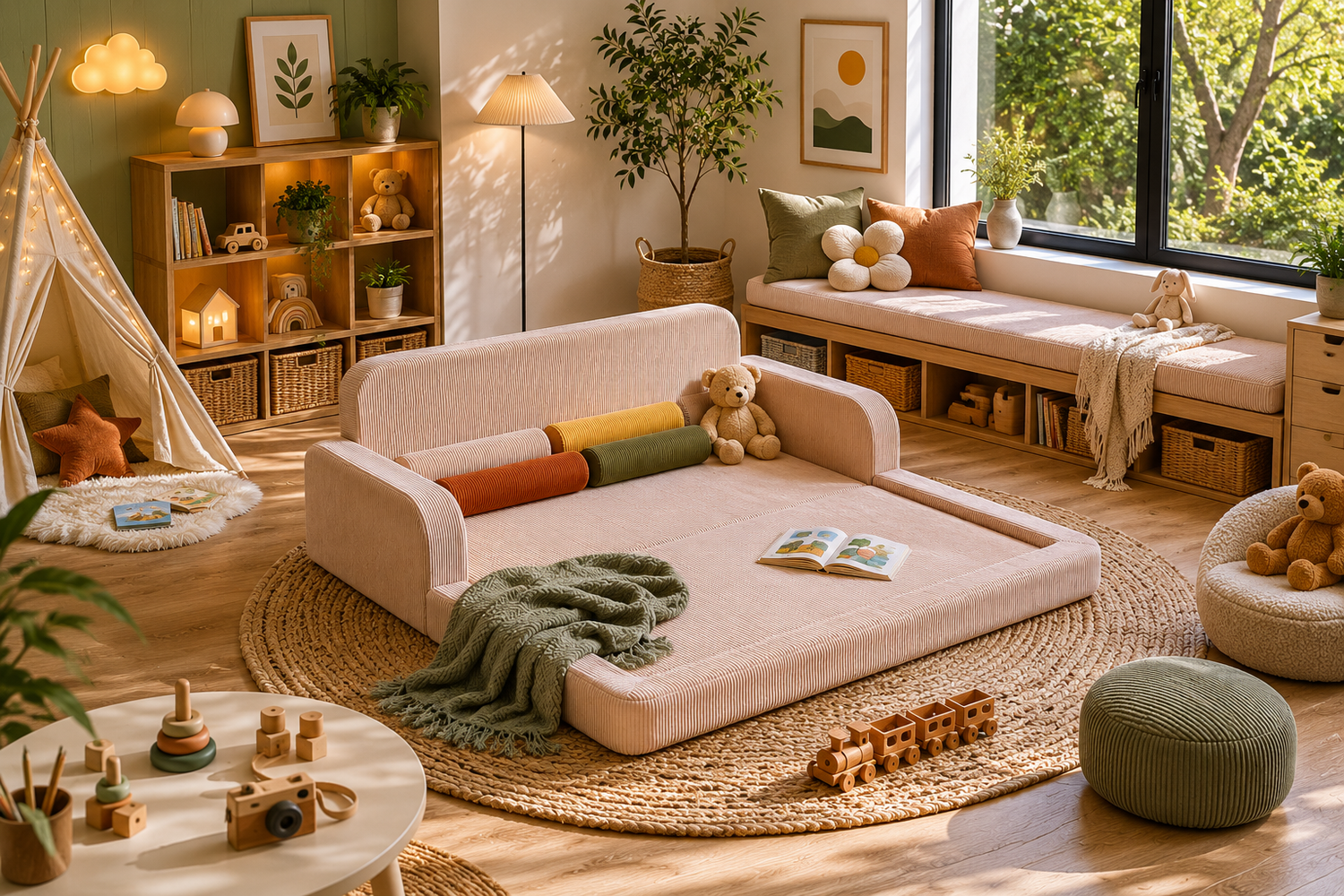
Designing the perfect kids’ room is about much more than choosing colorful decorations or stylish furniture. A well-designed children’s space should support comfort, creativity, relaxation, play, and everyday family routines all at the same time. Children naturally thrive in environments where they feel emotionally safe, physically comfortable, and free to explore their imagination.
Modern parents are increasingly searching for furniture solutions that adapt to real family life. Instead of bulky and single-purpose furniture, multifunctional designs such as a kids sofa bed have become one of the most practical choices for contemporary homes.
Whether you are organizing a small bedroom, decorating a shared sibling space, or creating a dedicated playroom, combining comfort, flexibility, and creativity can completely transform how children experience their room every day.
Why Modern Kids’ Rooms Need to Feel Flexible
Children’s rooms constantly change throughout the day. In the morning, the space may function as a reading area. Later, it can become a play zone, a quiet relaxation corner, or a cozy sleep environment. Because of this, modern children’s bedroom furniture should support multiple activities without making the room feel overcrowded.
The most successful kids’ room ideas focus on balance. Open floor space, soft textures, comfortable seating, organized storage, and multifunctional furniture all contribute to a calmer and more functional environment.
A children’s room should not only look visually appealing. It should also help make daily routines easier for both children and parents while encouraging comfort and creativity naturally.
How a Kids Sofa Bed Improves Comfort and Functionality
One of the biggest trends in modern kids room decor is multifunctional furniture. Parents are moving away from rigid furniture pieces and choosing adaptable designs that can evolve with their child’s needs.
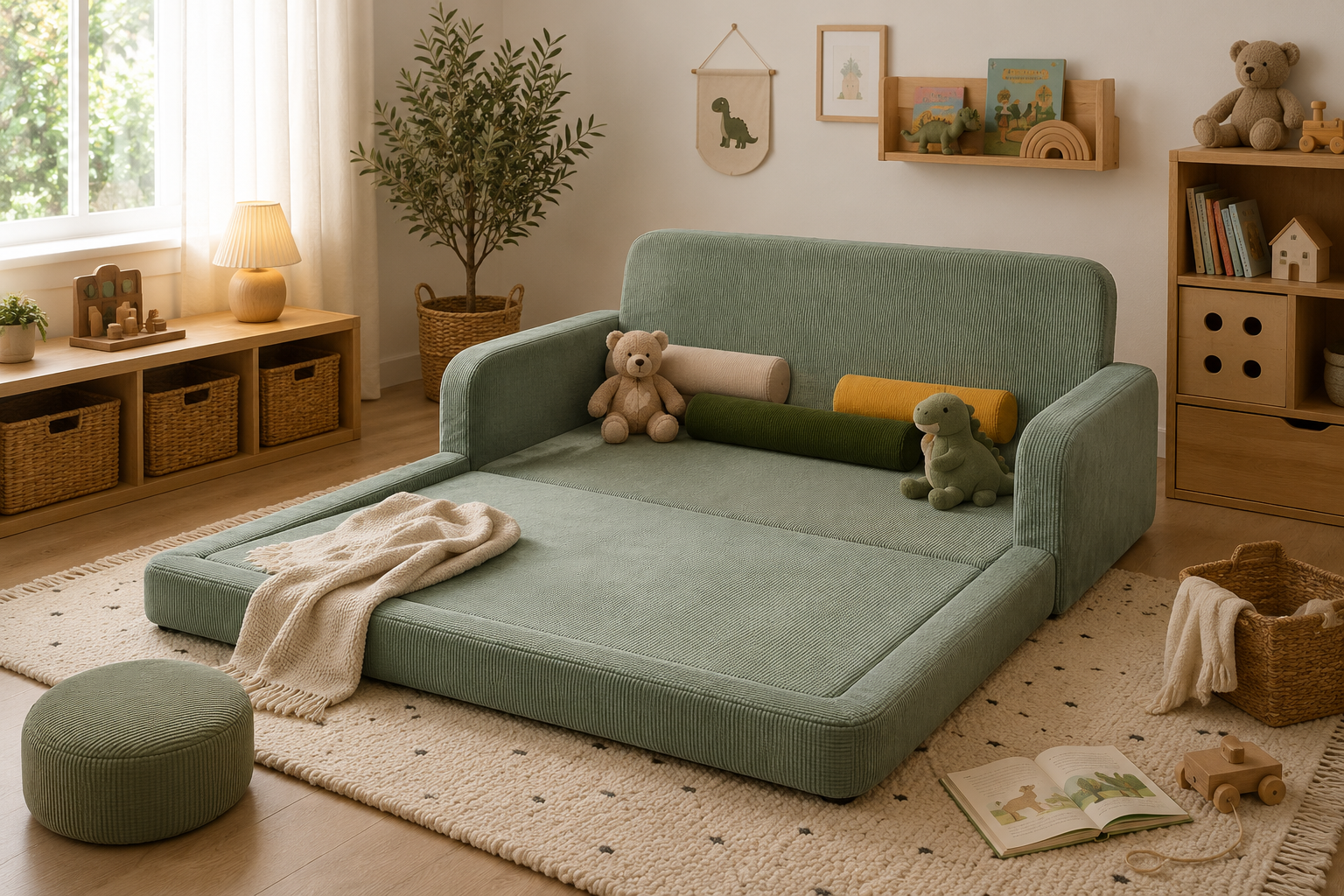
A kids sofa bed from Bench Cushion World combines comfort, flexibility, and practicality in a single setup.
Instead of filling the room with separate furniture pieces for reading, lounging, relaxing, and sleepovers, one modular setup can support all of these activities together. During the day, the sofa bed can become a reading nook or play couch. In the evening, it can easily transition into a cozy relaxation area or sleepover setup.
This flexibility helps keep the room more open, organized, and visually balanced.
Create a Cozy Reading and Relaxation Corner
Children naturally feel drawn to soft and comfortable spaces. Creating a cozy corner is one of the easiest ways to make a child’s room feel warmer and more inviting.
A dedicated comfort zone encourages children to slow down, relax, and spend time independently. Reading books, quiet playtime, drawing, or simply relaxing after busy activities all become more enjoyable in a calm seating area.
Soft modular seating works especially well because children can rearrange the setup themselves. This freedom supports creativity while also helping them feel more connected to their environment.
Unlike traditional furniture, flexible foam seating creates a softer atmosphere that feels welcoming instead of restrictive.
Why Soft Modular Furniture Works Better for Children
Modern parents increasingly prefer foam-based modular furniture because it supports safer movement and more flexible play.
Traditional hard furniture often limits how children interact with the space. In contrast, soft modular furniture encourages movement, imagination, and independent exploration.
Children can comfortably climb, rearrange pieces, build creative setups, or relax safely without the risks associated with hard edges or rigid furniture structures.
This is one reason why many families now prefer a 2 in 1 sofa bed for kids instead of traditional seating solutions. Multifunctional soft furniture creates an environment where comfort and play naturally work together.
Small Kids’ Room Ideas That Maximize Space
Space management has become one of the biggest priorities in modern family homes. Smaller bedrooms can quickly feel crowded if furniture is too bulky or poorly arranged.
The best small kids’ room ideas focus on maintaining openness while still providing comfort and functionality. Flexible modular seating helps maximize usable space without making the room feel visually heavy.
A compact Funbed-style setup works especially well in apartments, shared sibling rooms, and smaller bedrooms because it combines seating, lounging, and play functionality into one adaptable design.
Lightweight furniture also allows children to move and rearrange the space independently, encouraging both creativity and confidence.
Shared Bedrooms and Family-Centered Spaces
In shared bedrooms or family-centered playrooms, larger modular seating arrangements create more opportunities for connection and comfort.
A larger setup provides enough room for bedtime stories, movie nights, shared reading sessions, and sleepovers. These moments help transform the bedroom into more than just a sleeping space. The room becomes an environment where children and parents can comfortably spend quality time together.
Soft seating areas naturally create a warmer emotional atmosphere and encourage calmer interactions throughout the day.
How Colors Affect a Child’s Mood and Comfort
Color strongly influences how a room feels emotionally. Soft and balanced color palettes help create a calming atmosphere that supports both relaxation and creativity.
Warm neutrals such as beige, warm white, soft gray, muted sage green, and dusty blue are especially popular in modern kids room ideas because they create visual comfort without feeling cold or boring.
Playful accents can still be added through pillows, artwork, rugs, or decorative details. The goal is to create a balanced environment that feels creative while still remaining calm enough for rest.
Overly bright or overstimulating color palettes may increase energy levels and make bedtime routines more difficult.
Add Warmth Through Soft Textures
Texture is one of the simplest ways to make a child’s room feel cozier and more welcoming.
Soft rugs, plush pillows, cozy blankets, upholstered seating, and padded floor cushions help create an atmosphere that feels physically and emotionally comforting. Layered textures also soften the visual appearance of the room, making the space feel gentler and more relaxing overall.
Children often feel calmer and safer in environments filled with soft and familiar materials.
Even small additions such as throw pillows or soft floor seating can significantly improve the overall atmosphere without requiring a full room redesign.
Practical Features Parents Should Prioritize
A beautiful children’s room should also support practical everyday family life. Kids’ rooms naturally experience spills, messes, rough play, and constant daily activity, which means furniture should be easy to maintain.
Parents should look for practical features such as washable covers, lightweight structures, easy-clean fabrics, breathable materials, and non-slip bases. These details make a major difference in how functional the room feels over time.
Furniture designed for real family use helps reduce stress while keeping the space cleaner, safer, and easier to manage.
Why Lighting Matters in Kids’ Room Design
Lighting has a huge effect on the atmosphere of a child’s room. Harsh overhead lighting can feel overstimulating, especially during evening routines.
Softer ambient lighting creates a calmer environment that encourages children to relax naturally before bedtime. Warm bedside lamps, soft wall lighting, and subtle decorative lights all help create a more peaceful nighttime atmosphere.
Natural daylight during the day combined with warm lighting in the evening creates the best balance between energy and relaxation.
Lighting should support both play and comfort rather than making the room feel overly bright or clinical.
Why Multifunctional Furniture Is Better for Growing Families
Children’s needs change constantly as they grow. Furniture that works perfectly for toddlers may no longer fit an older child’s routines later.
This is why multifunctional furniture has become such a practical long-term solution for modern homes.
A modular kids sofa bed can continue functioning as reading furniture, lounge seating, guest seating, or playroom furniture for many years. Instead of replacing furniture frequently, families can adapt the setup as children’s needs evolve naturally.
This flexibility also helps reduce clutter while making better use of available space.
Common Mistakes That Make Kids’ Rooms Feel Less Comfortable
One of the most common design mistakes is overcrowding the room with too much furniture or decoration. Excessive visual clutter can make a child’s environment feel stressful instead of calming.
Another common issue is choosing furniture that looks stylish but feels uncomfortable or impractical for daily use.
Ignoring flexibility can also create long-term problems as children grow and their needs change. Furniture that cannot adapt often becomes restrictive very quickly.
Overstimulating colors, harsh lighting, and rigid furniture layouts may negatively affect relaxation and comfort, especially before bedtime.
Creating a balanced environment focused on openness, comfort, and functionality usually leads to much better long-term results.
Create a Kids’ Room Where Comfort and Creativity Work Together
A child’s room should feel warm, flexible, and welcoming — a place where they can comfortably play, imagine, relax, and grow every day.
Soft modular seating and multifunctional furniture help create environments that naturally support modern family life while maintaining comfort and safety.
The versatile kids sofa bed collection from Bench Cushion World offers practical and playful solutions designed to support reading, relaxation, sleepovers, and imaginative play in one cohesive setup.
With thoughtful design choices, calming textures, and flexible furniture, even small children’s rooms can become meaningful spaces where comfort, play, and imagination come together naturally every single day.


Leave a comment