
Filters
62 products
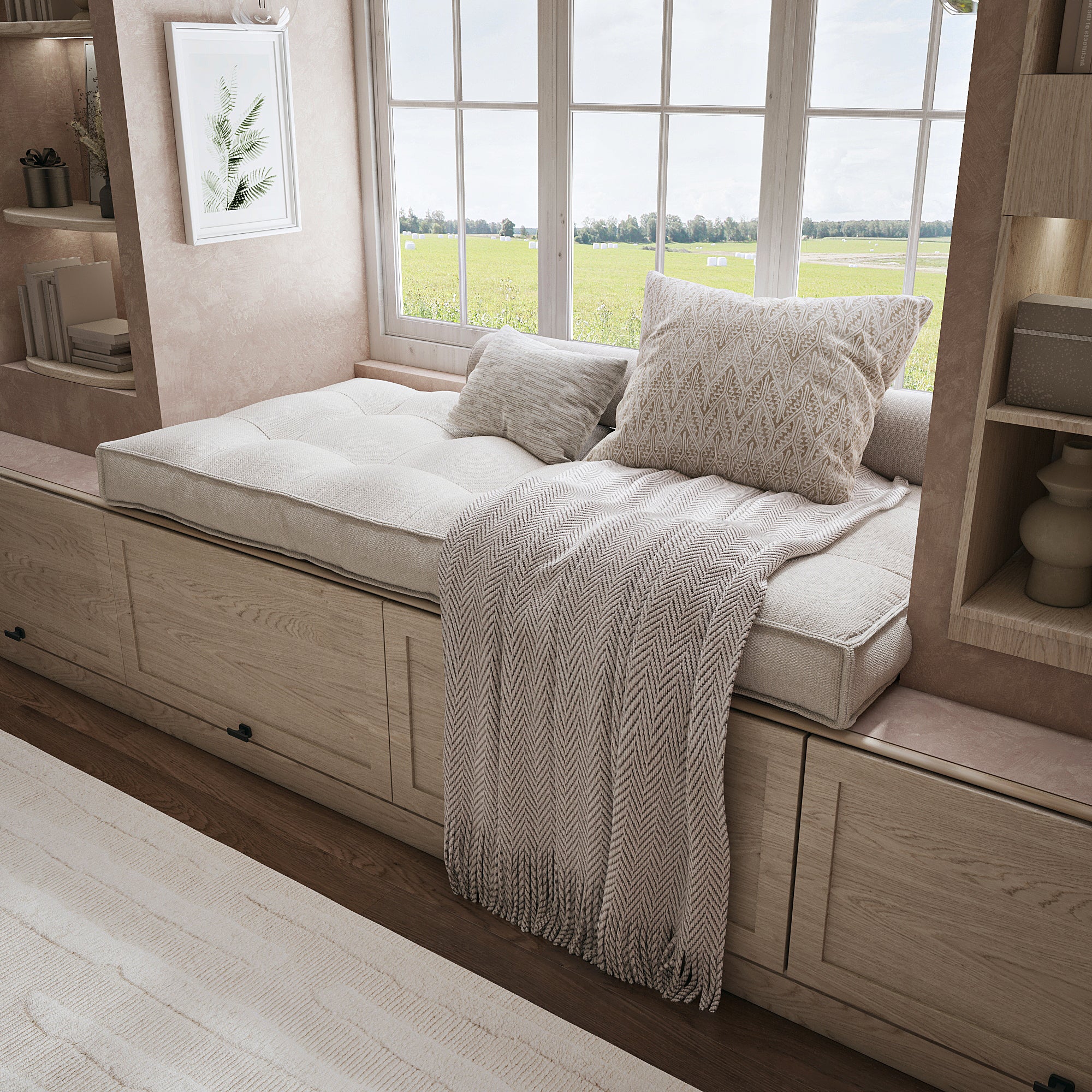
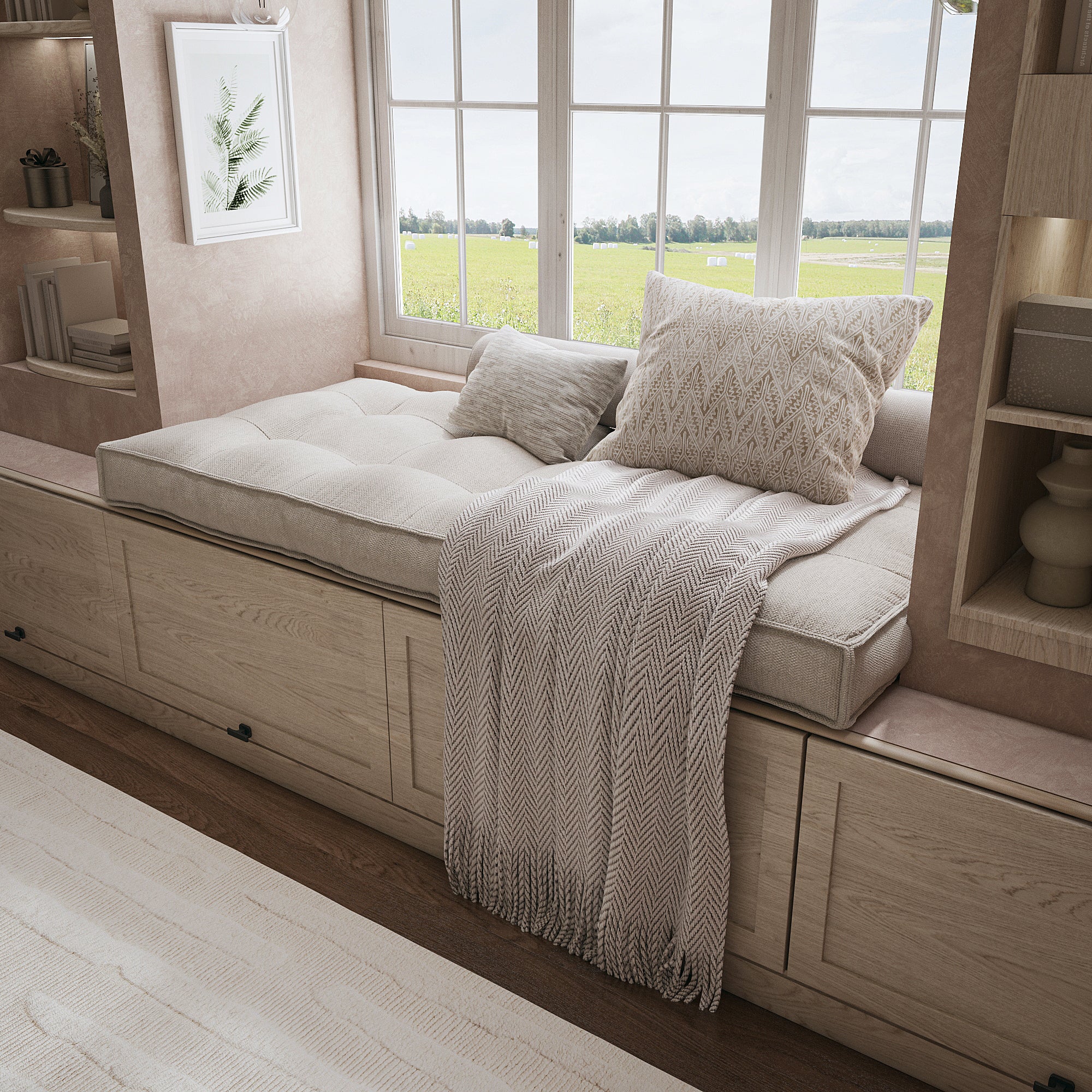
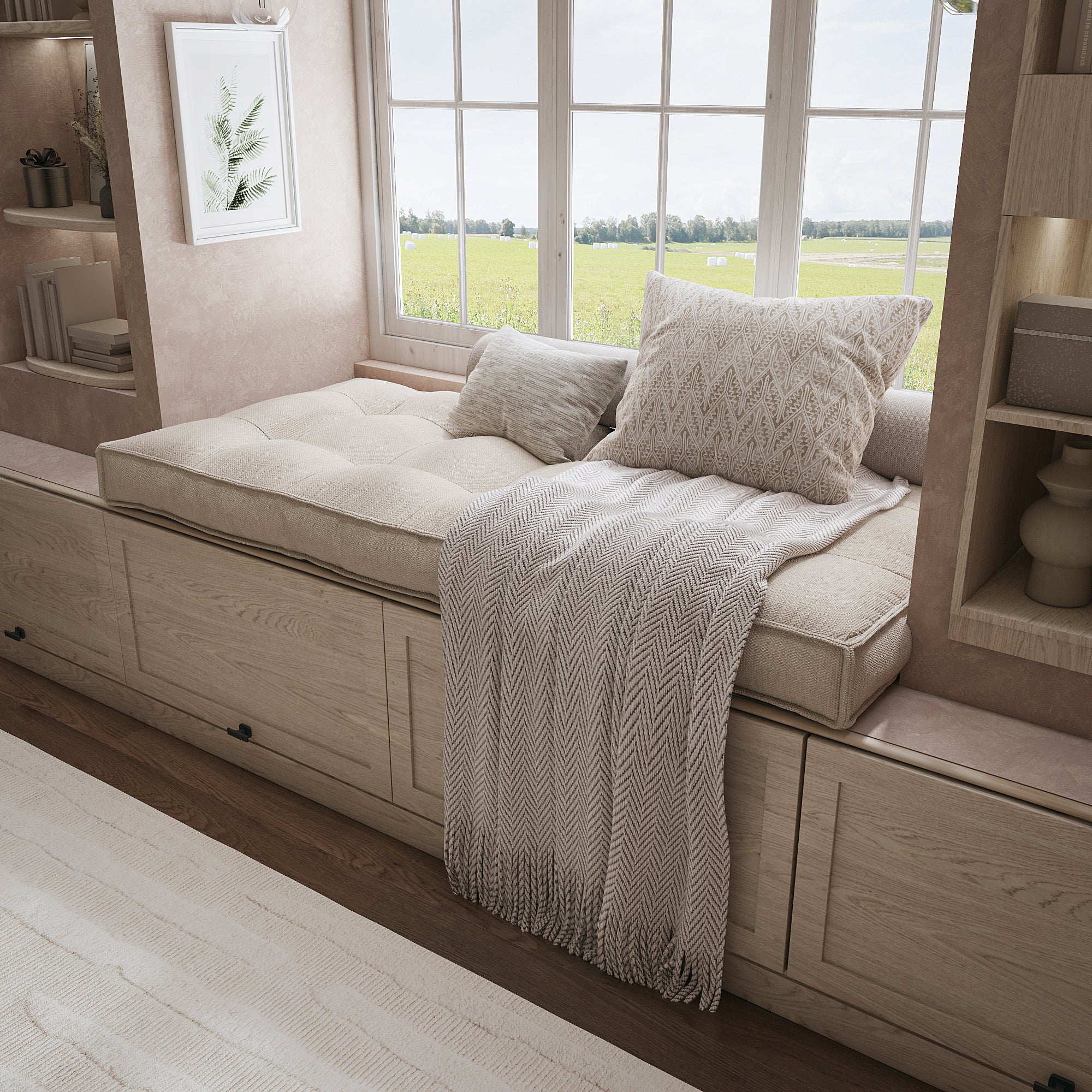
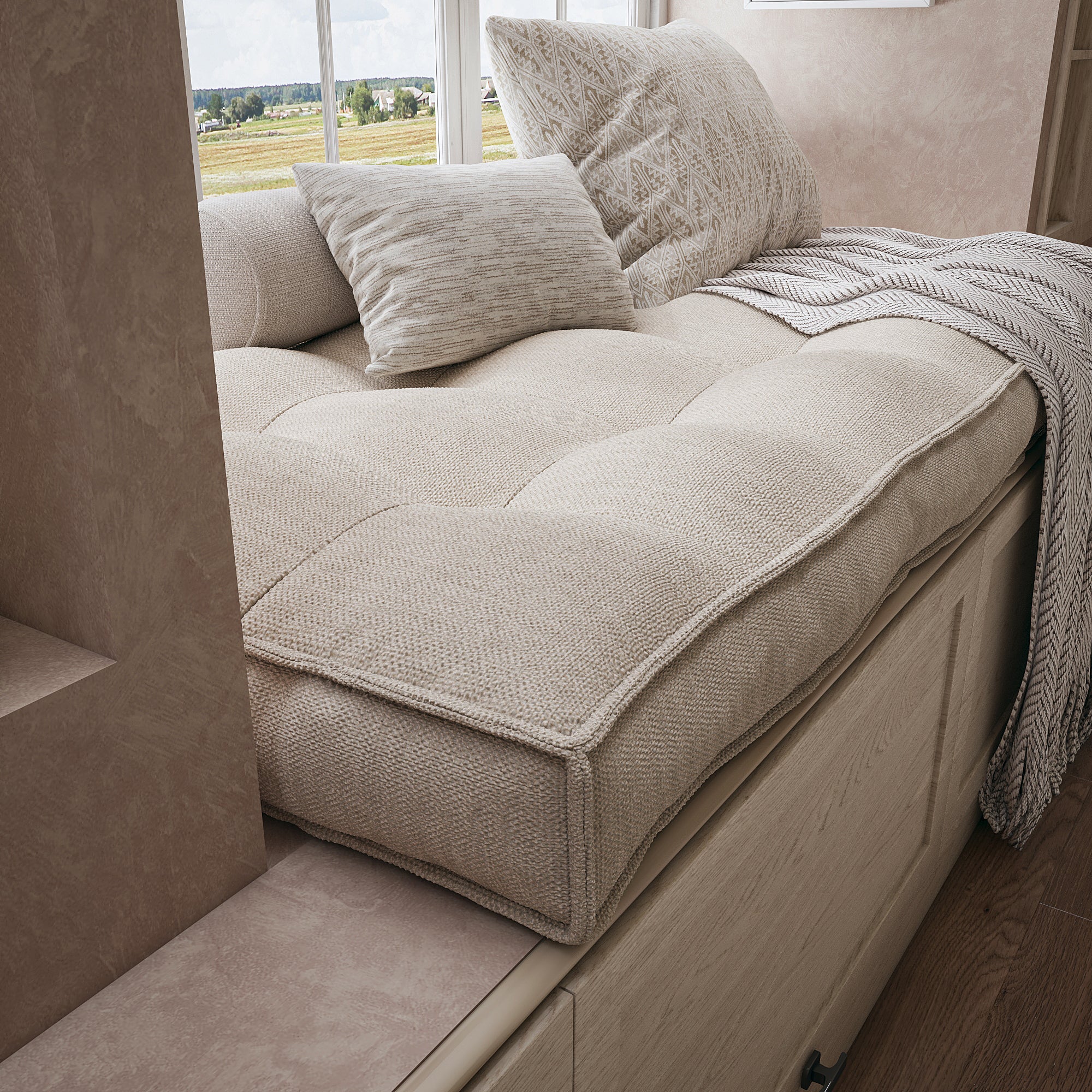
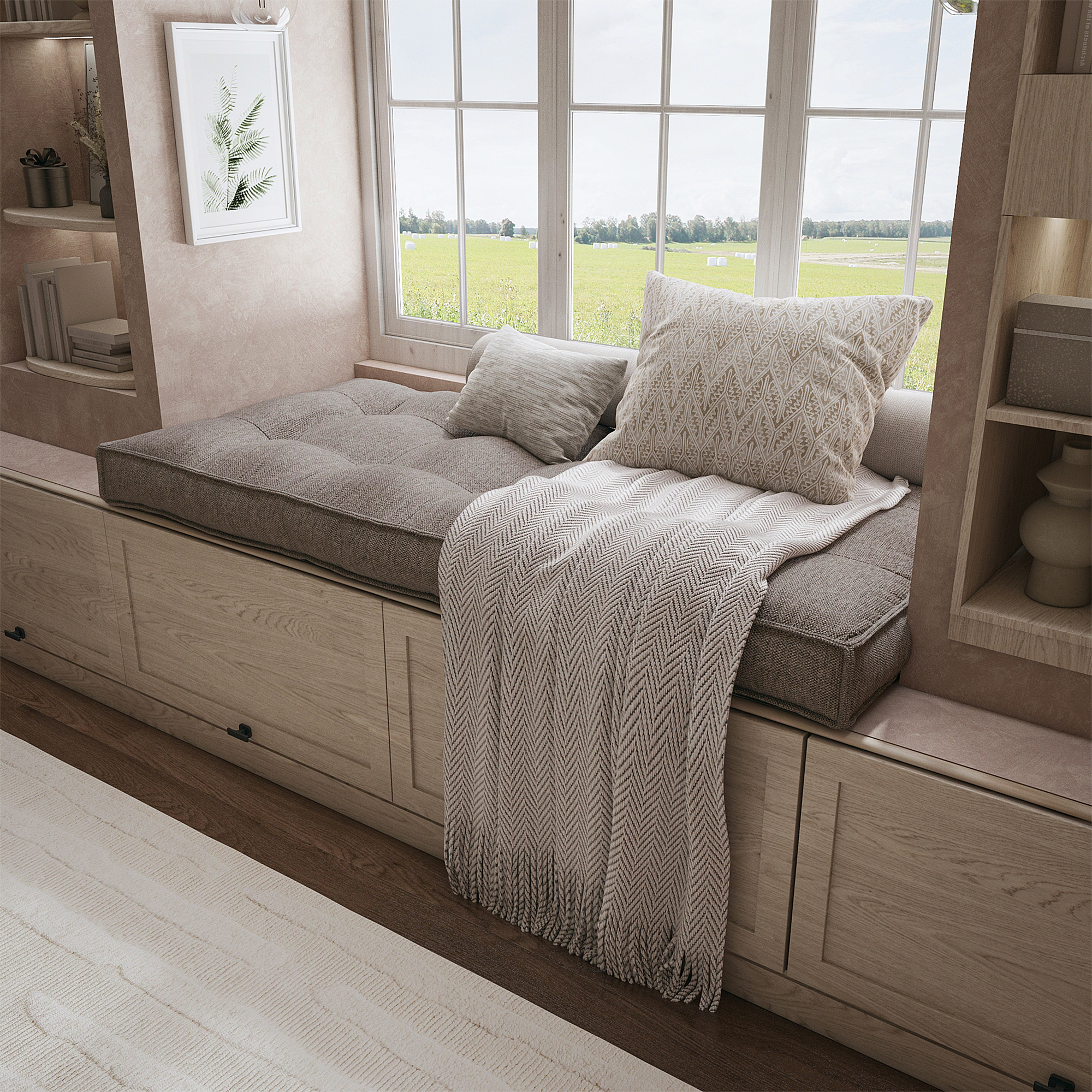
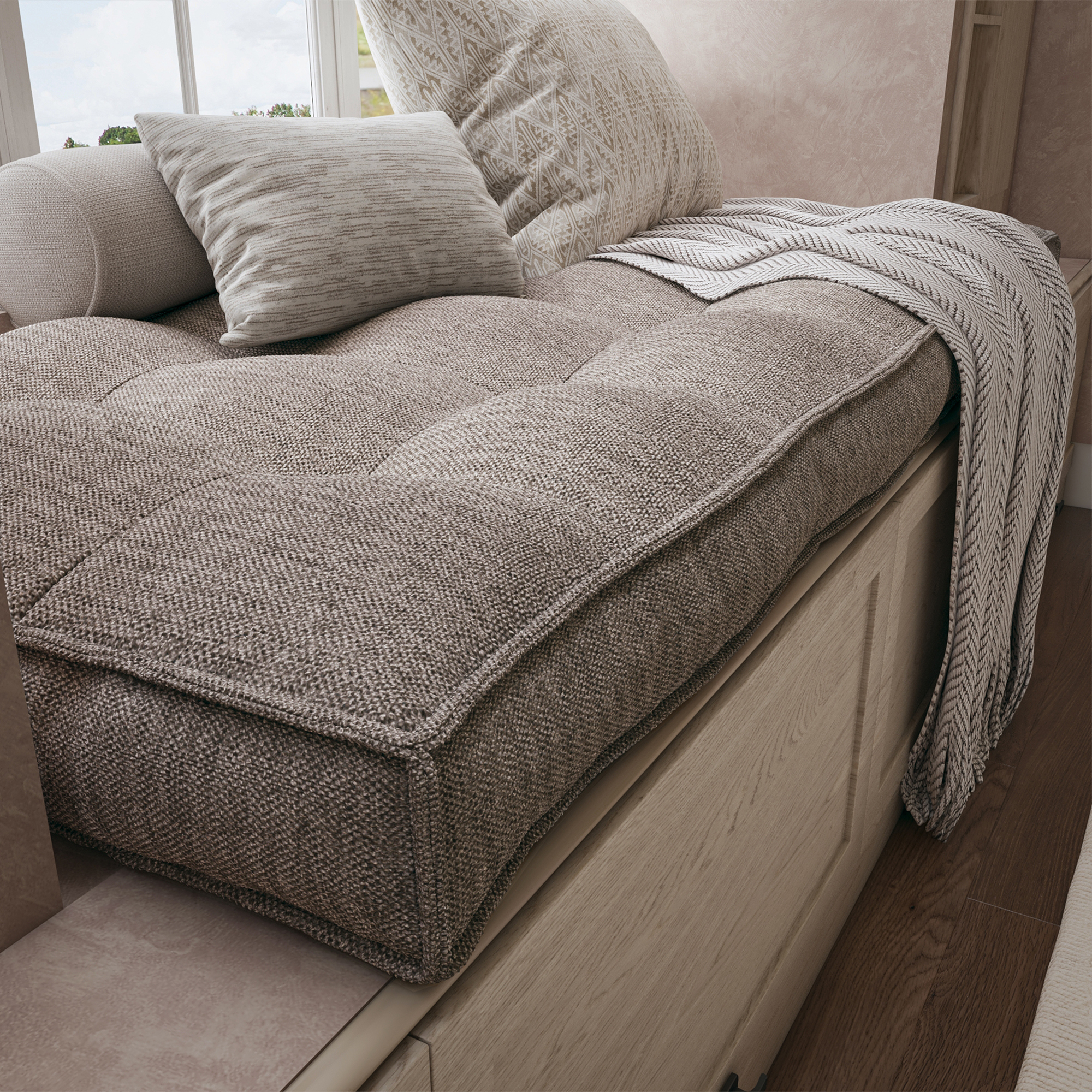
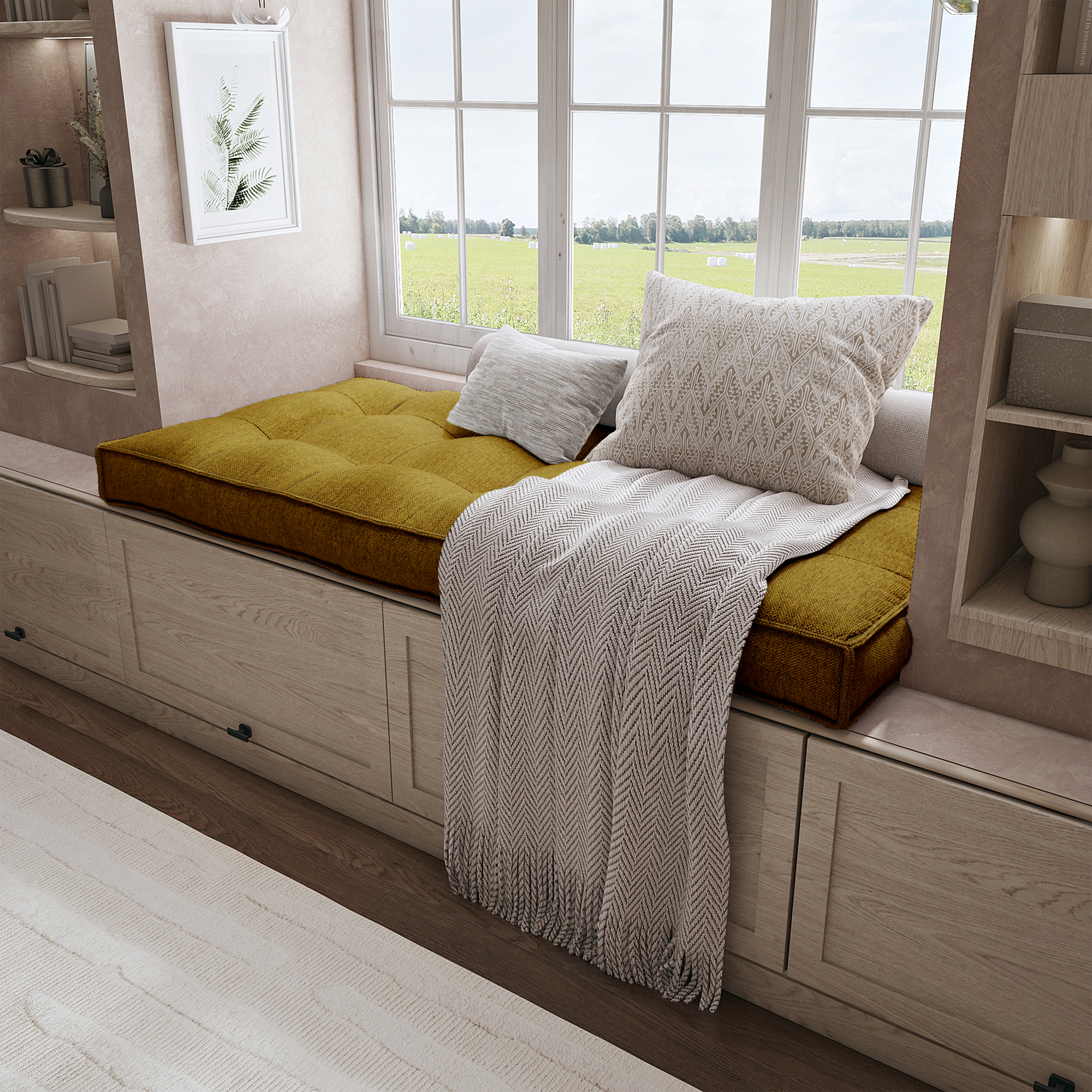
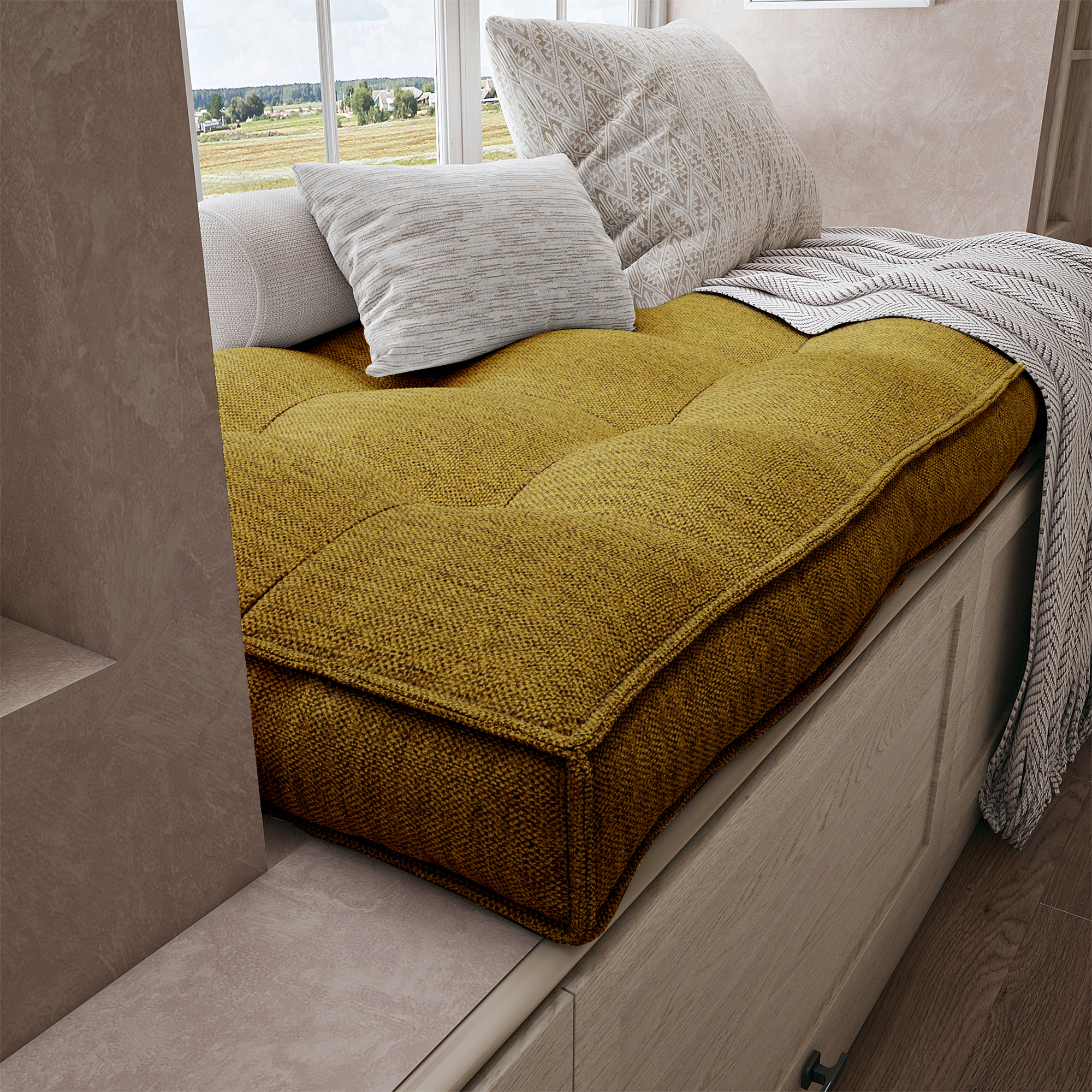
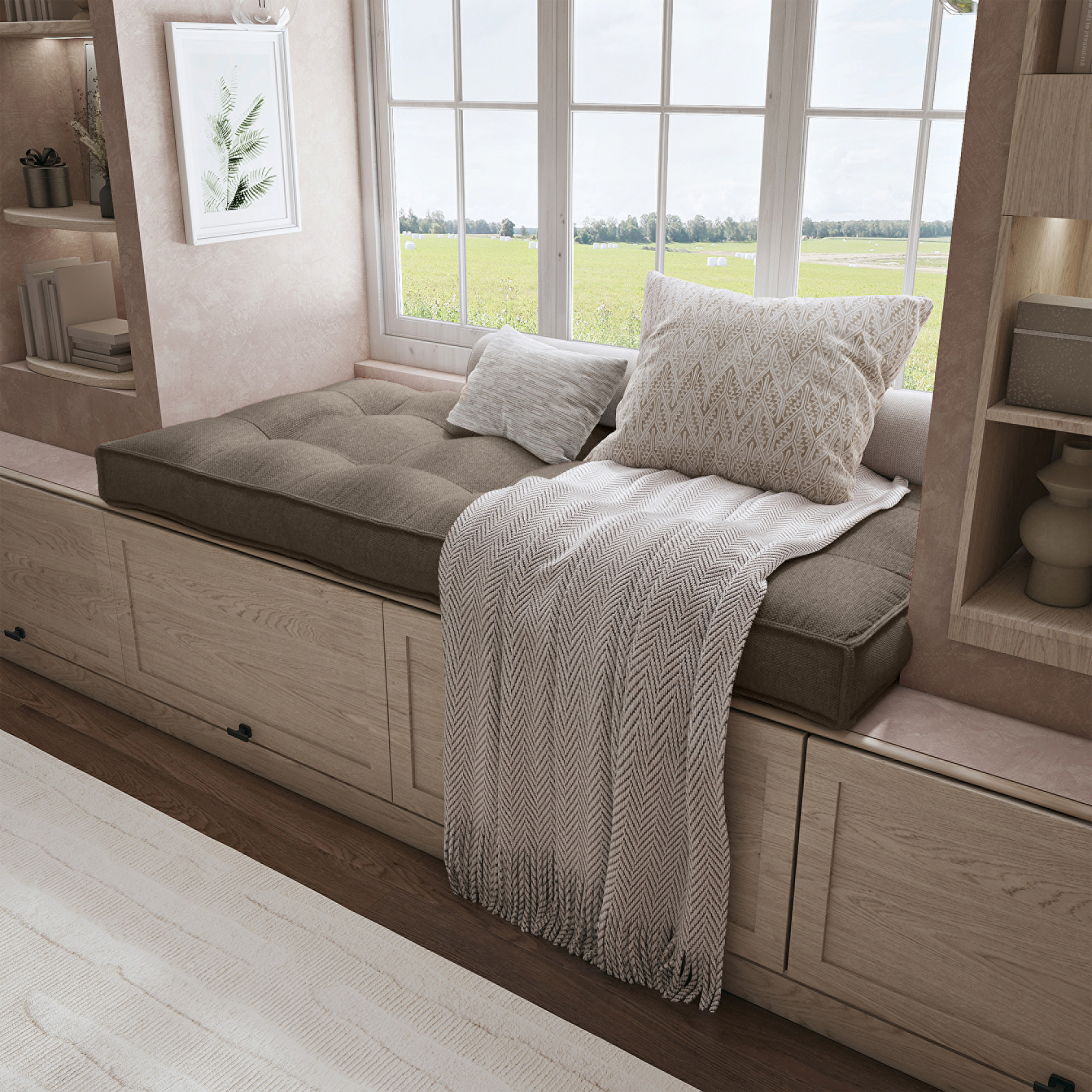
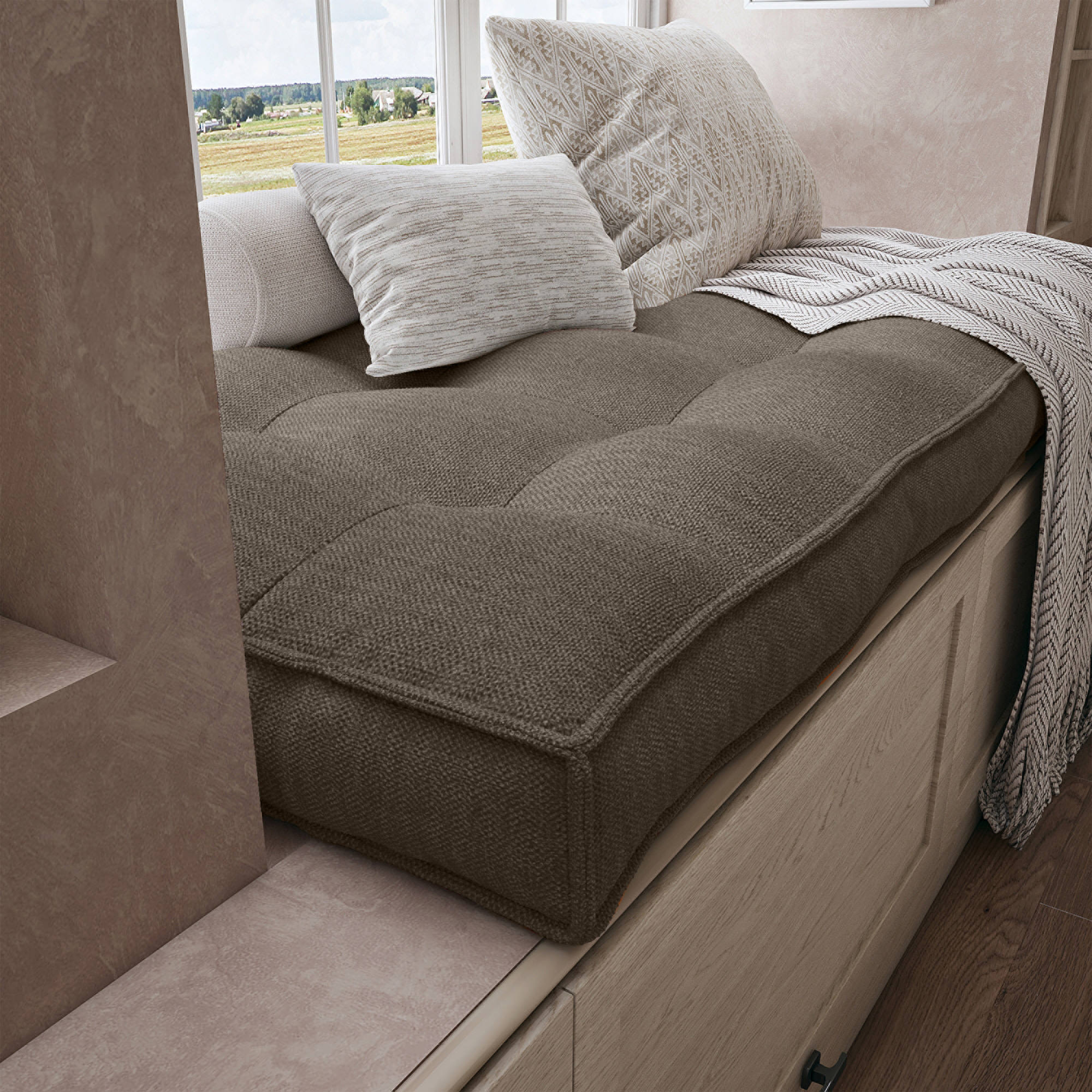
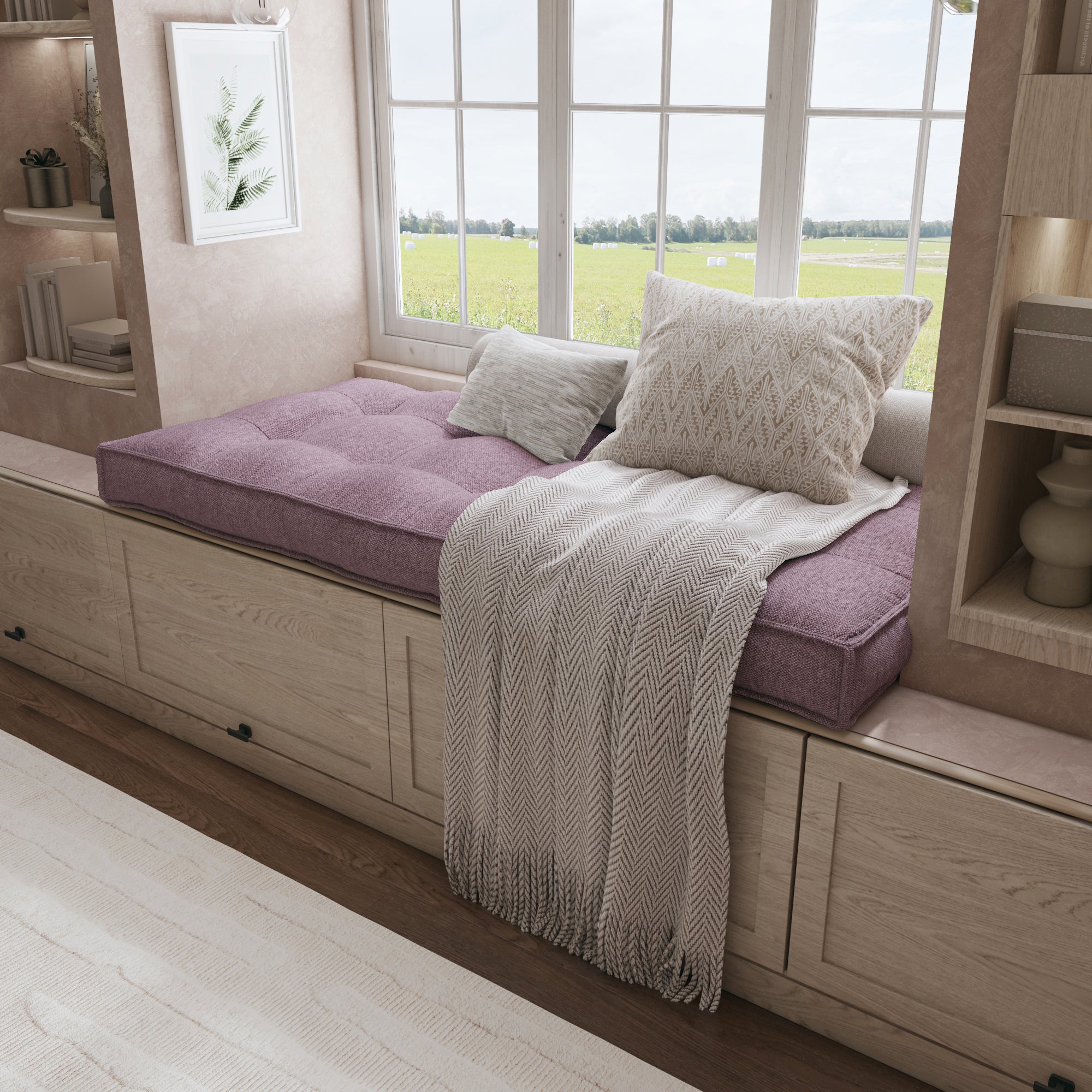
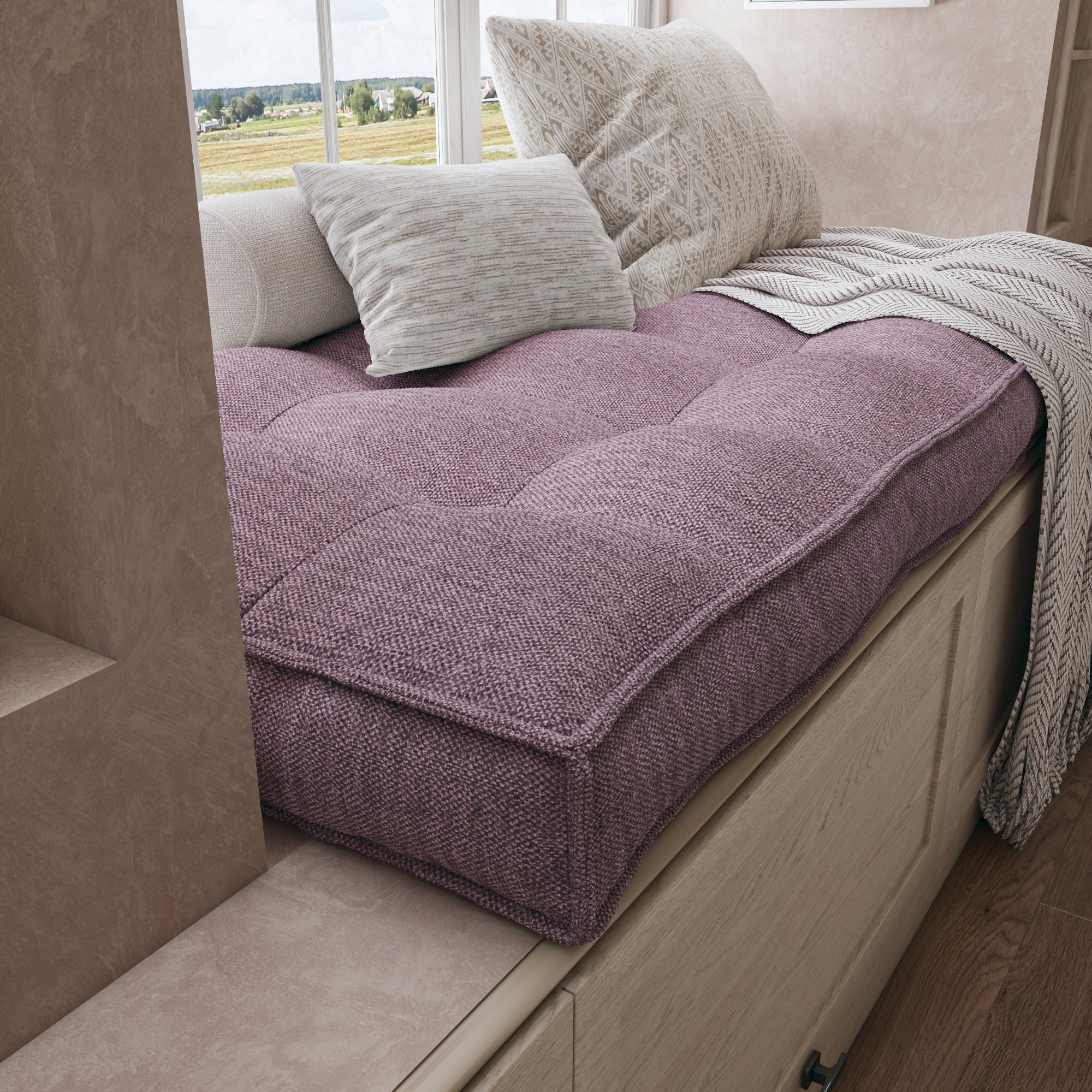
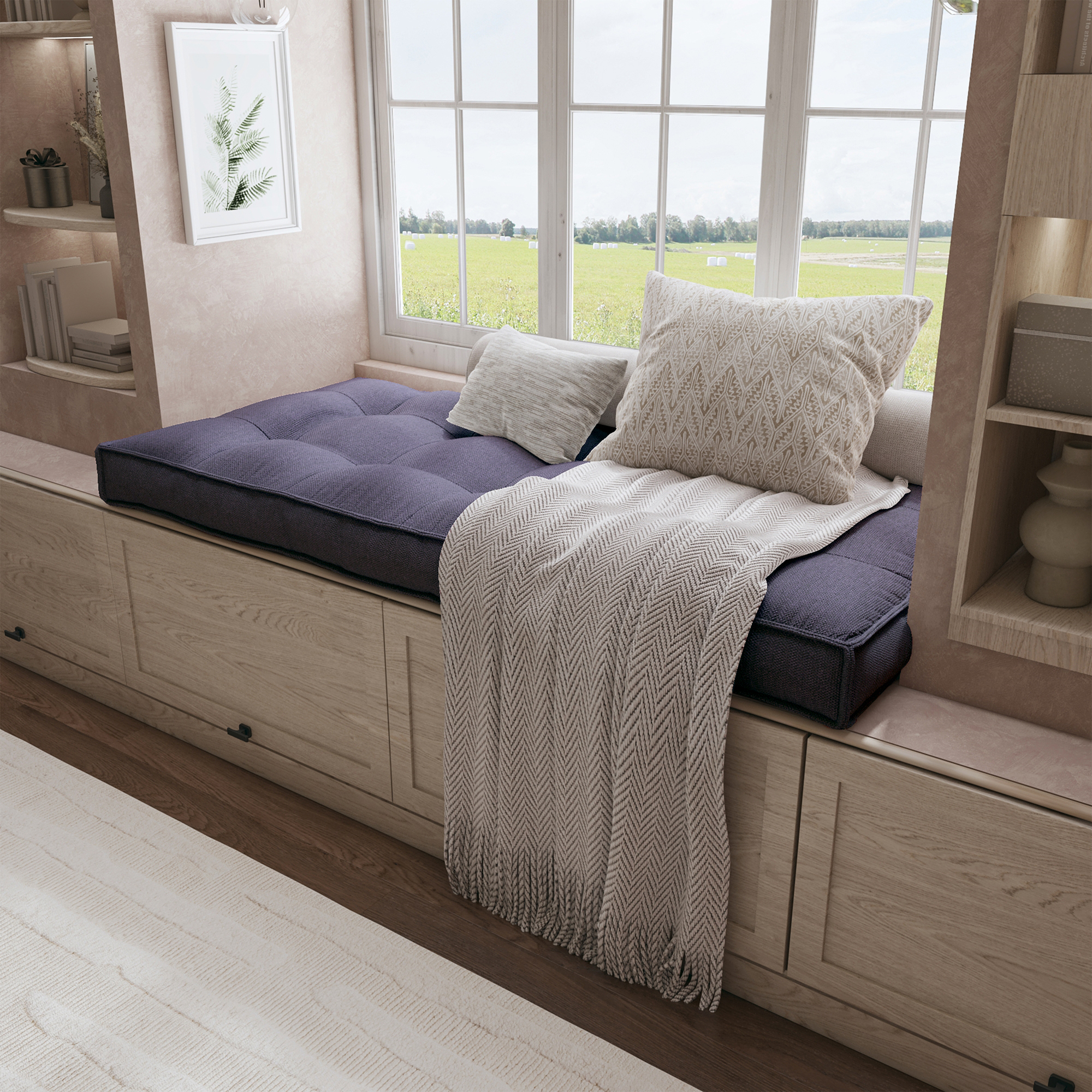
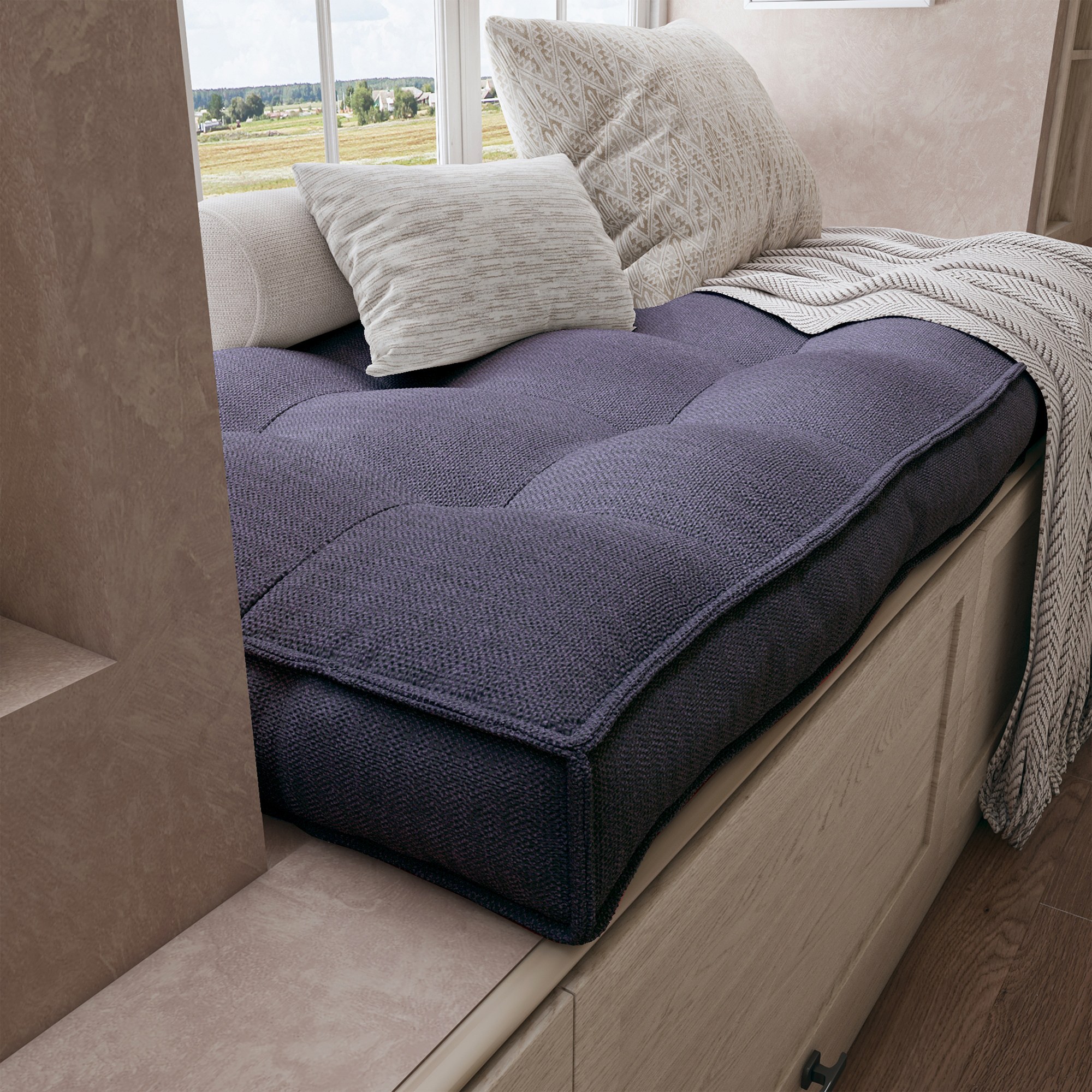
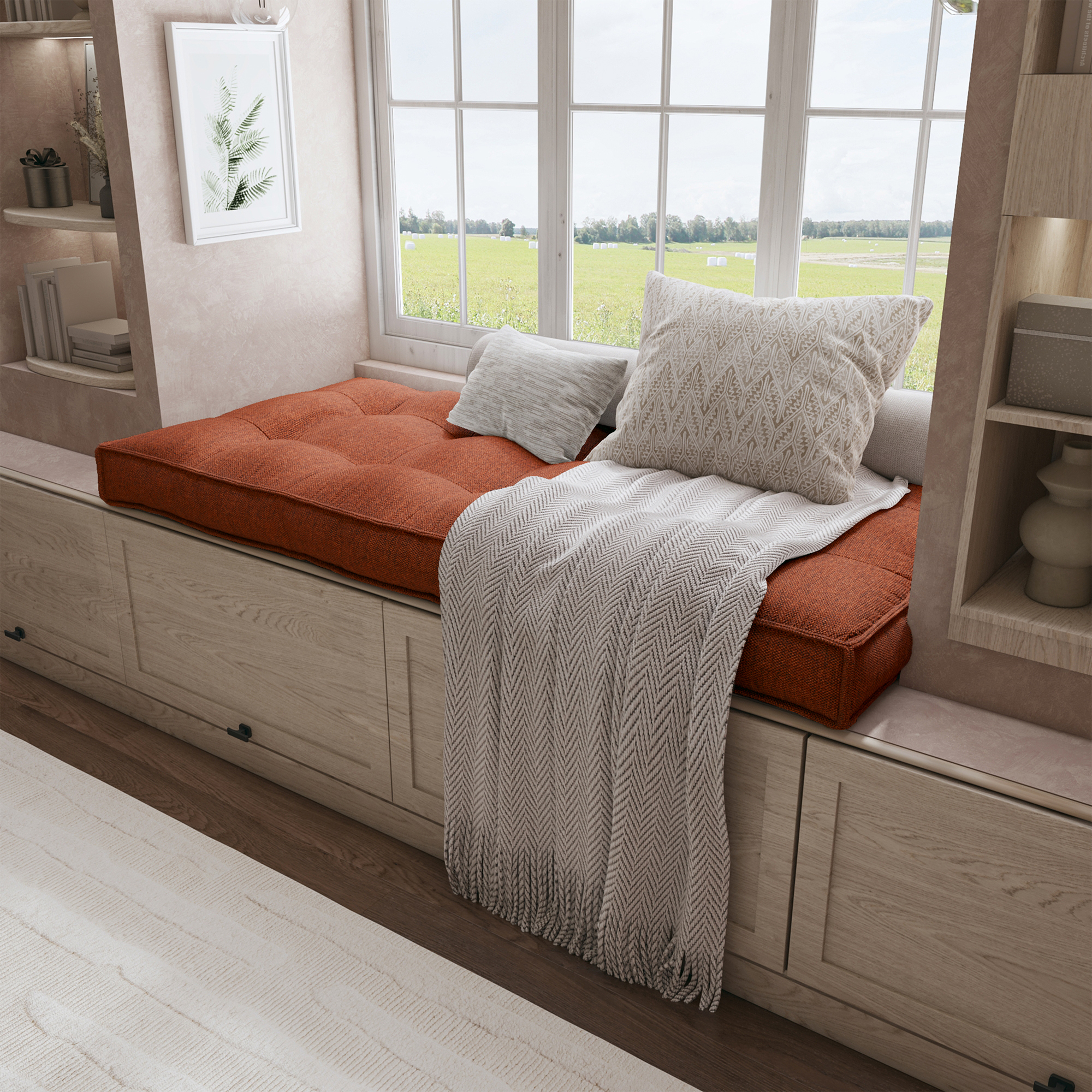
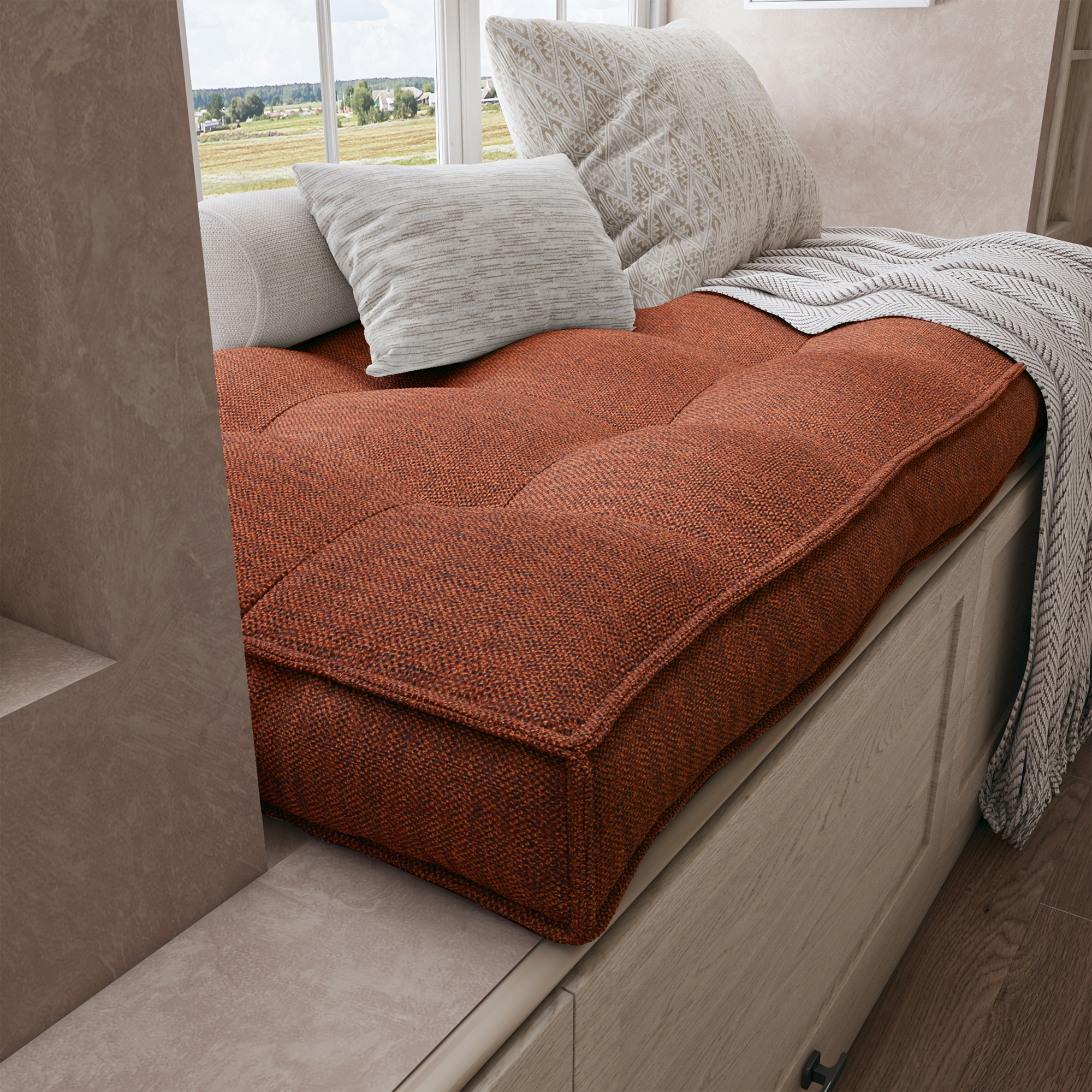
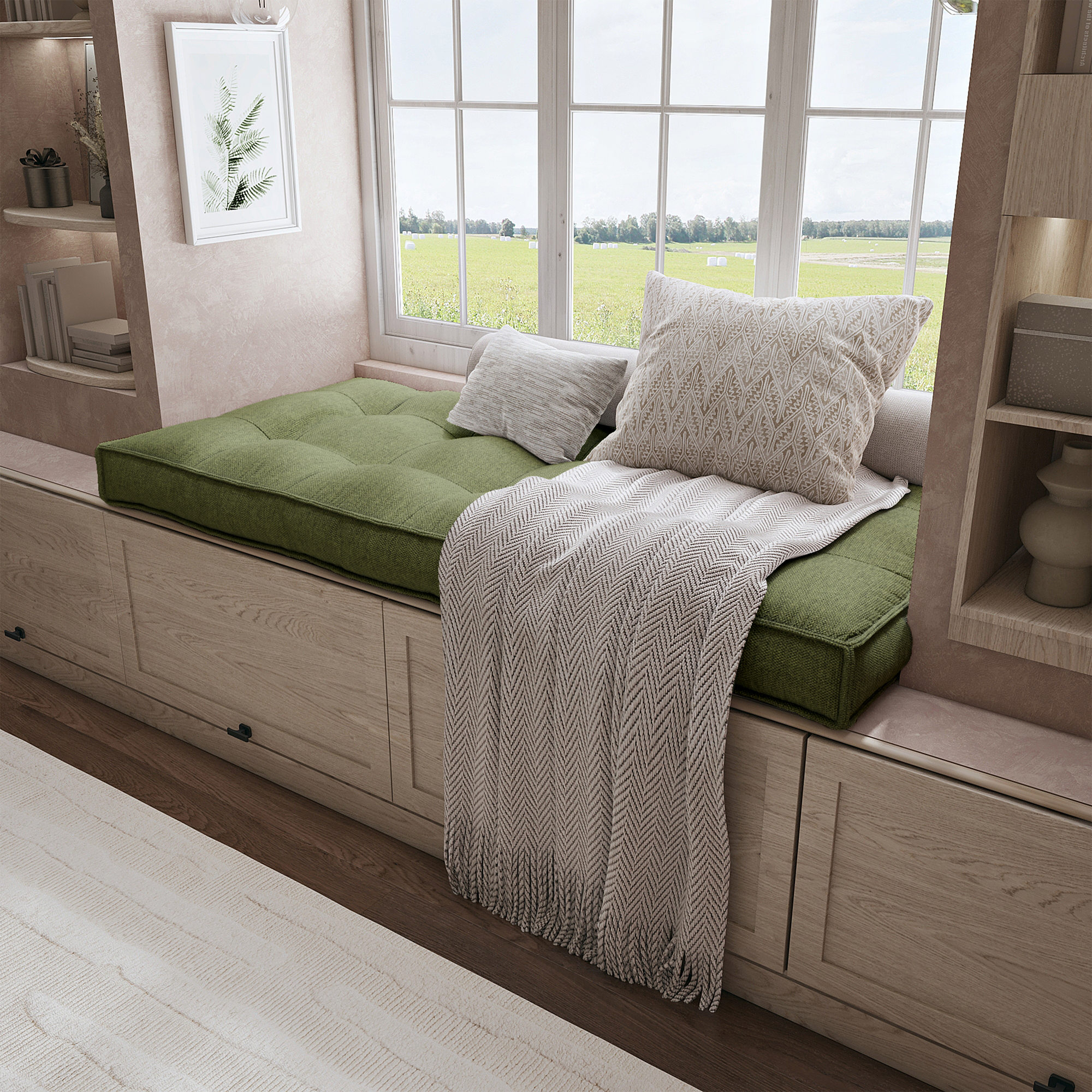
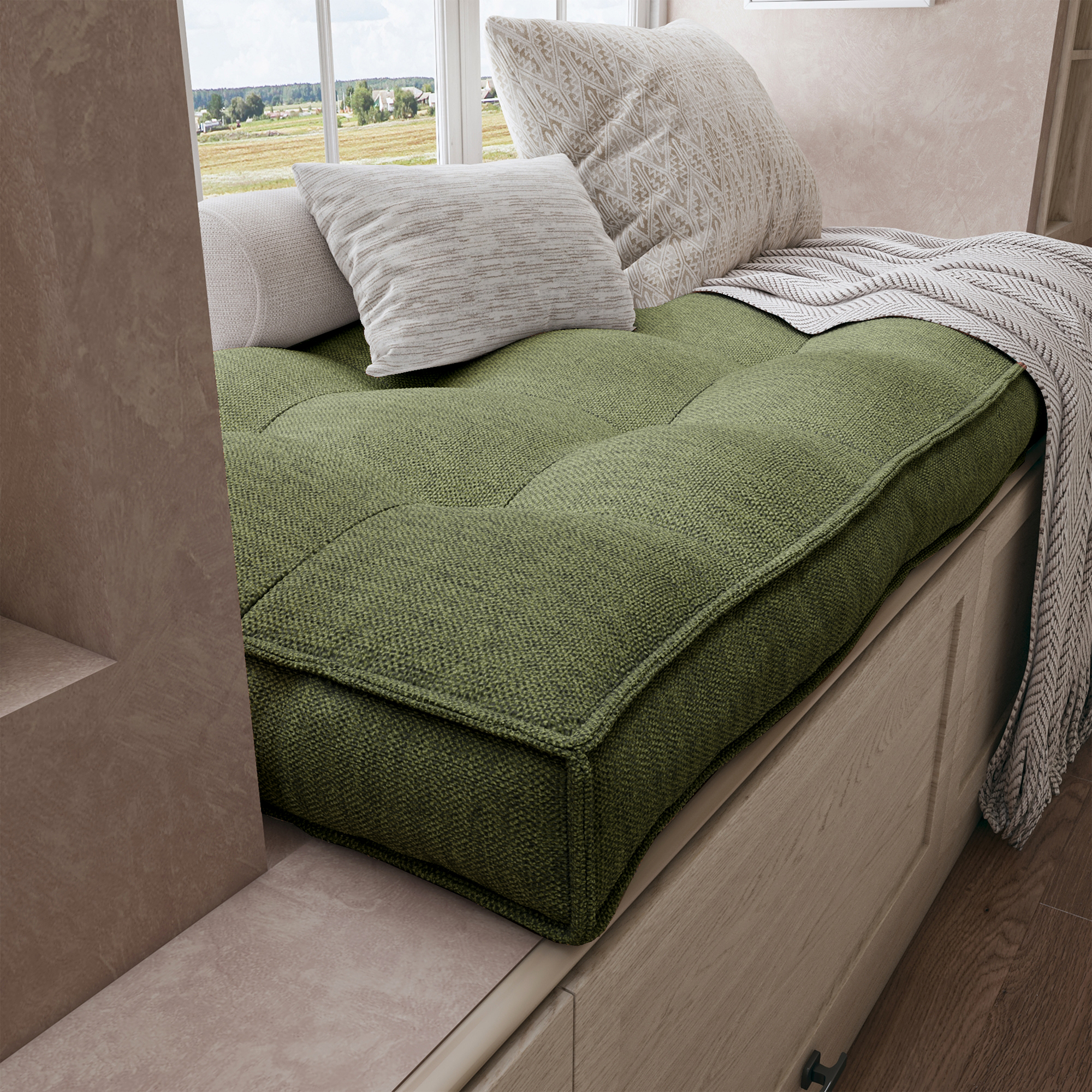
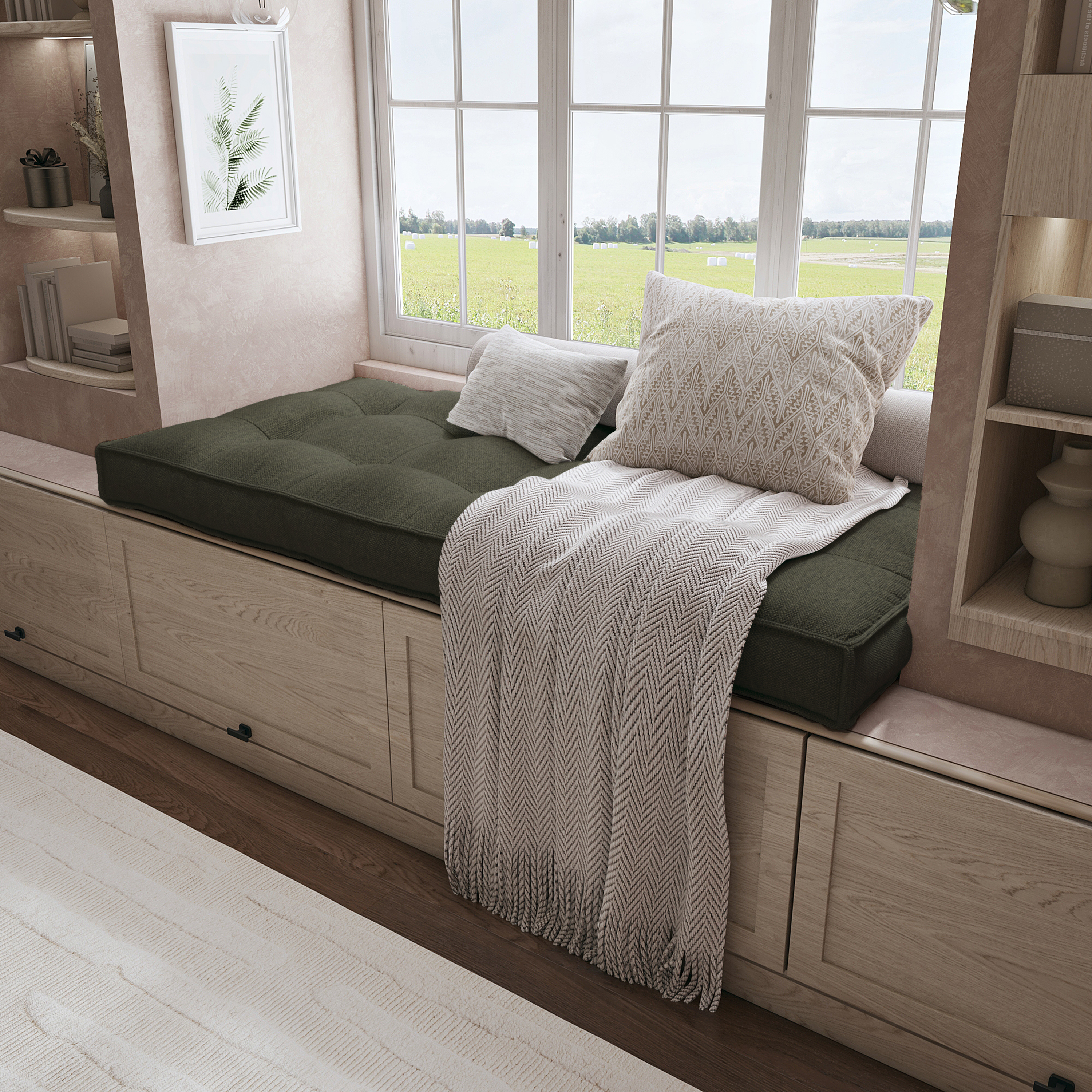
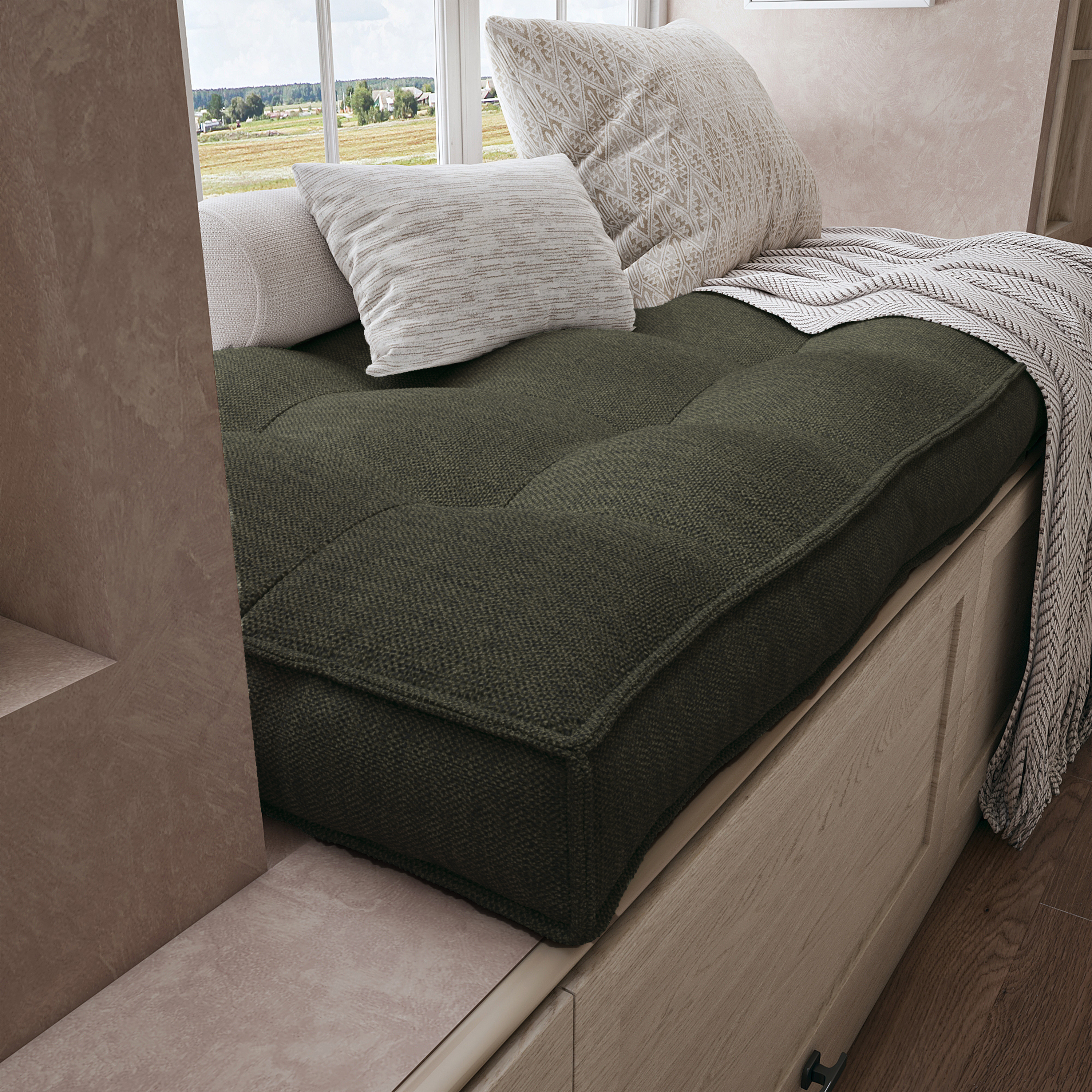
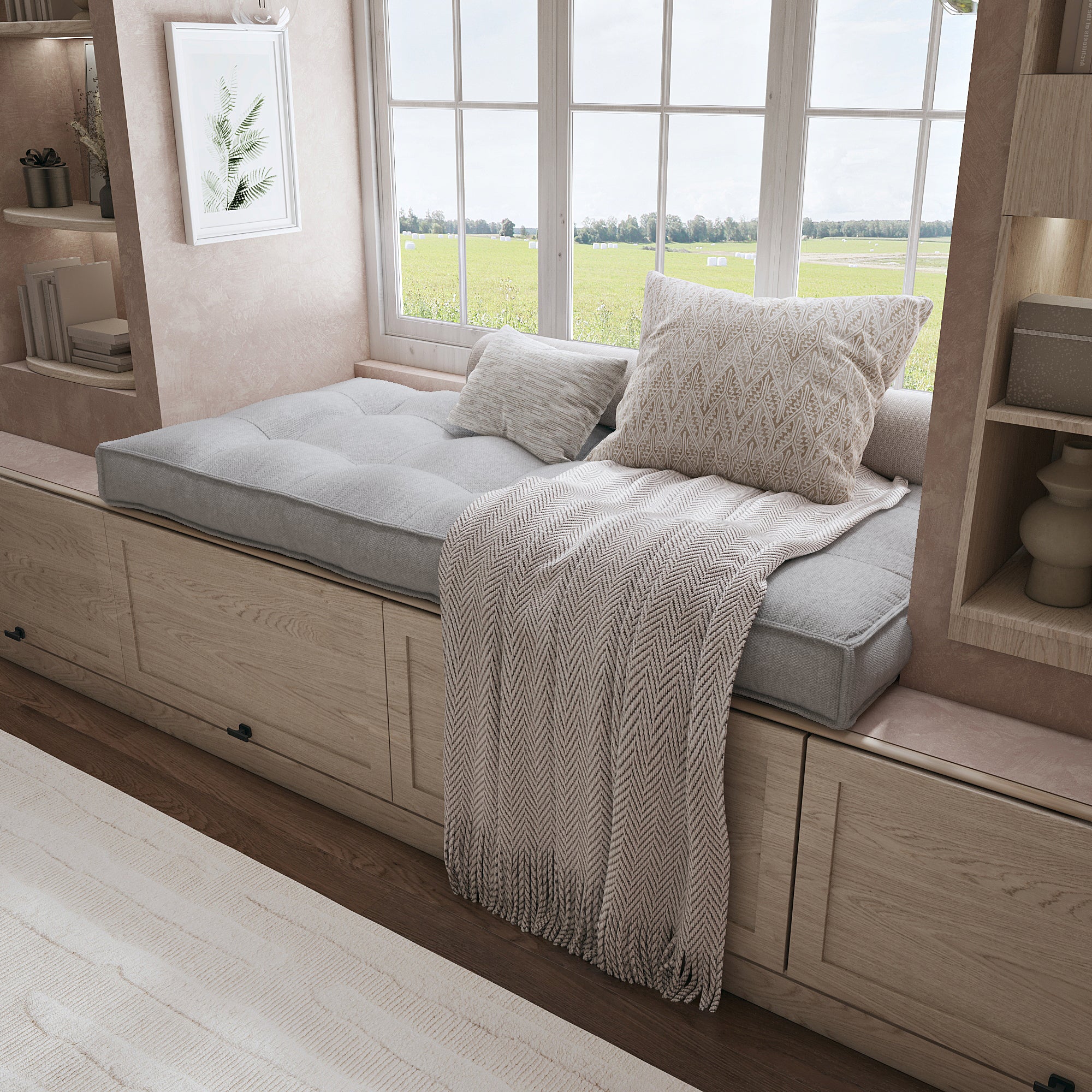
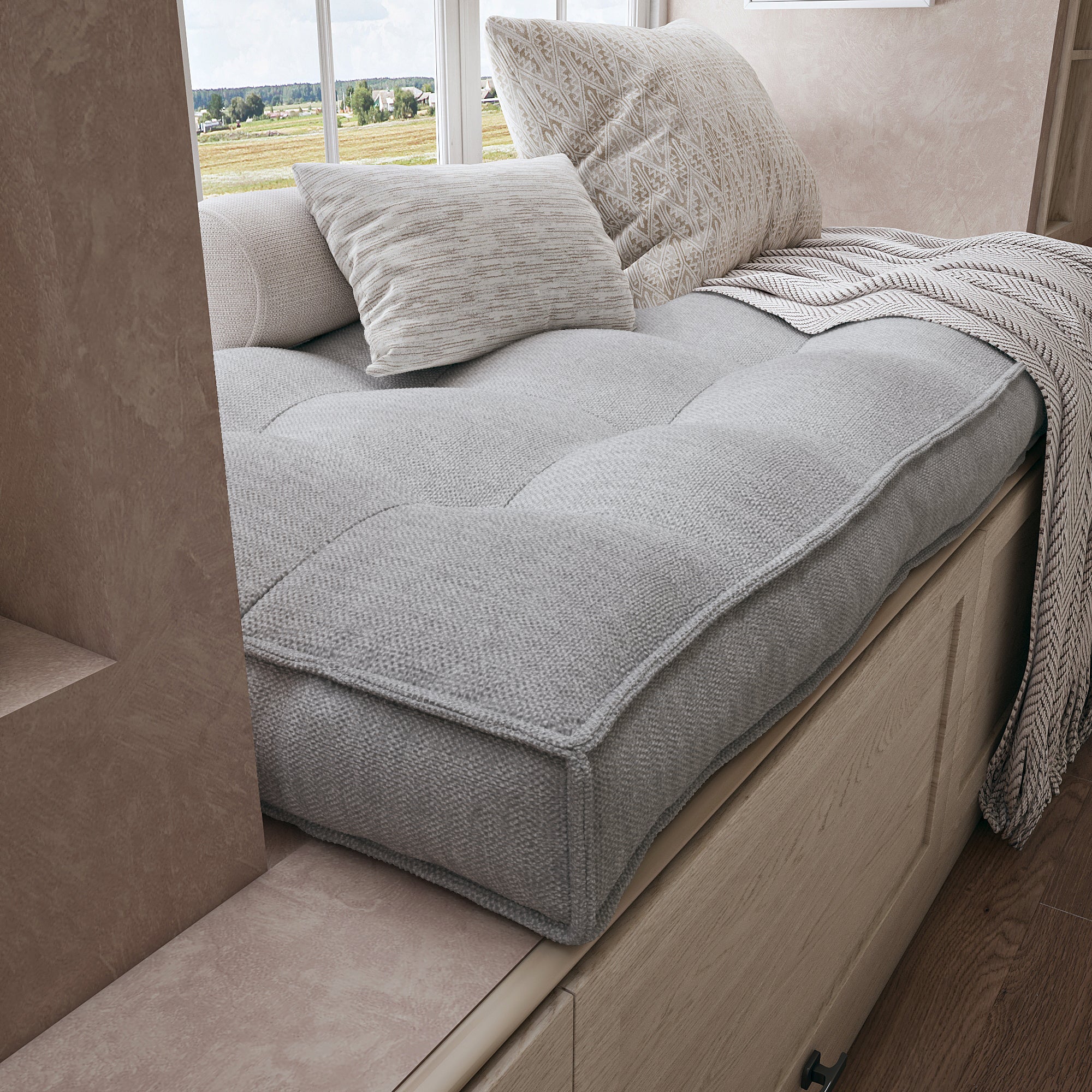
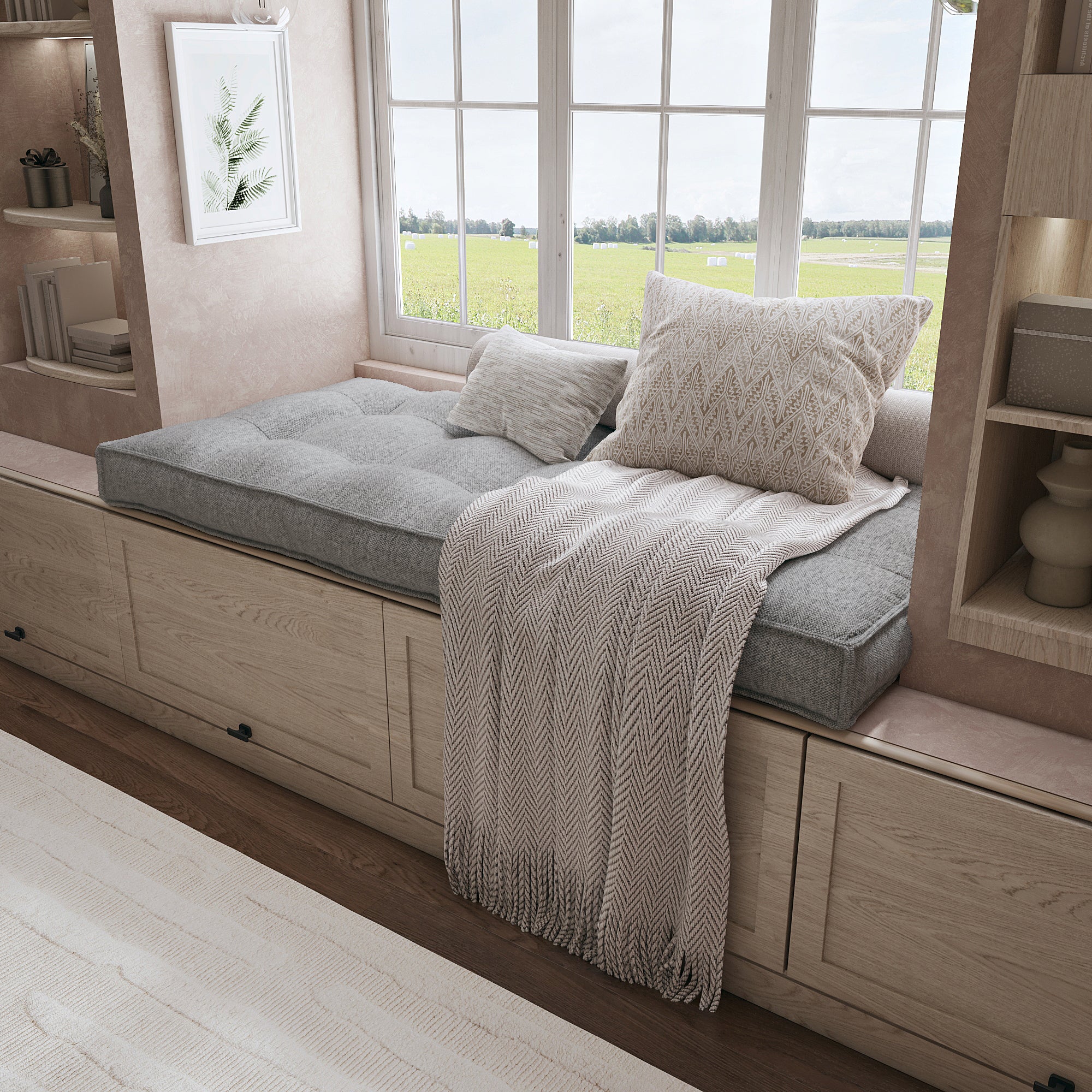
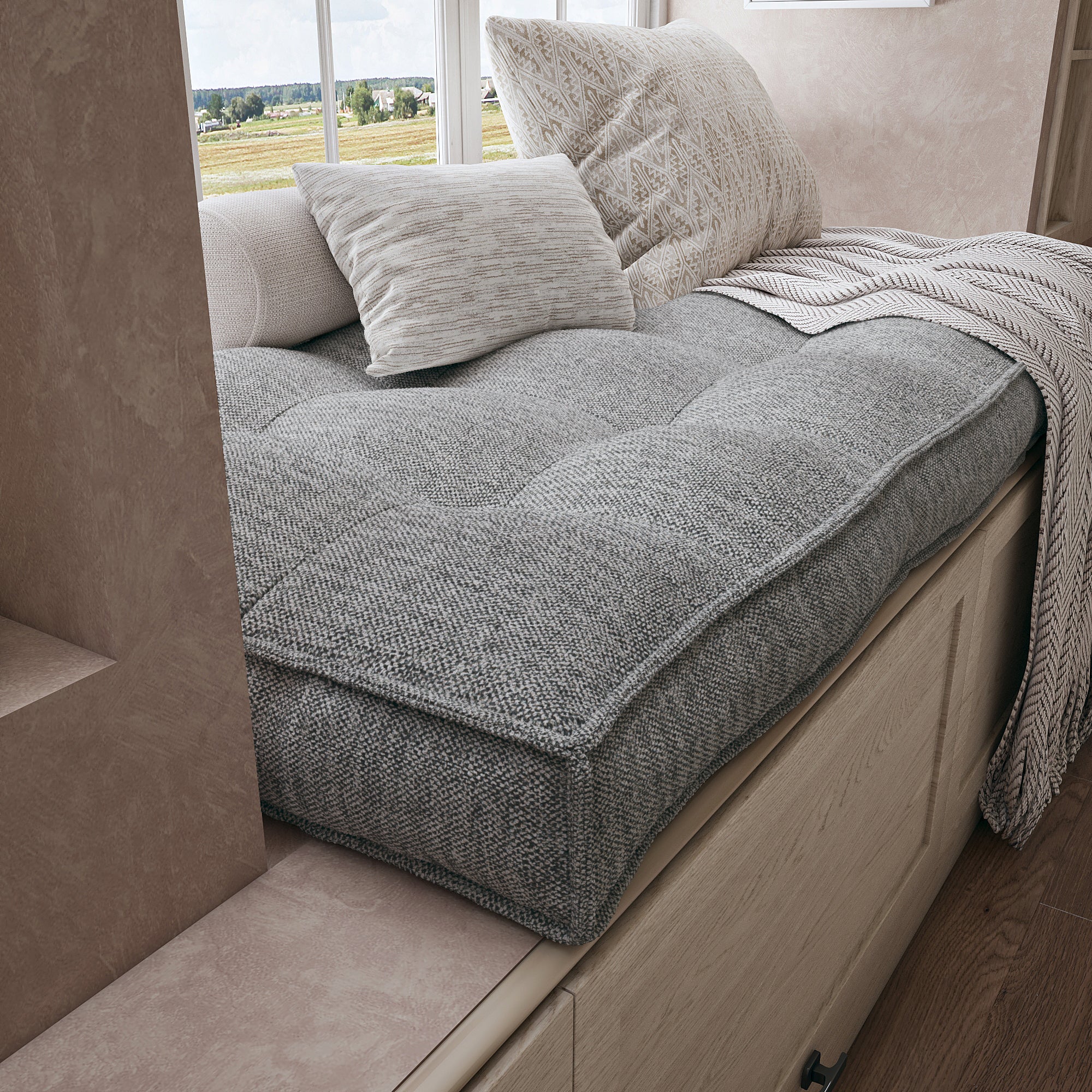
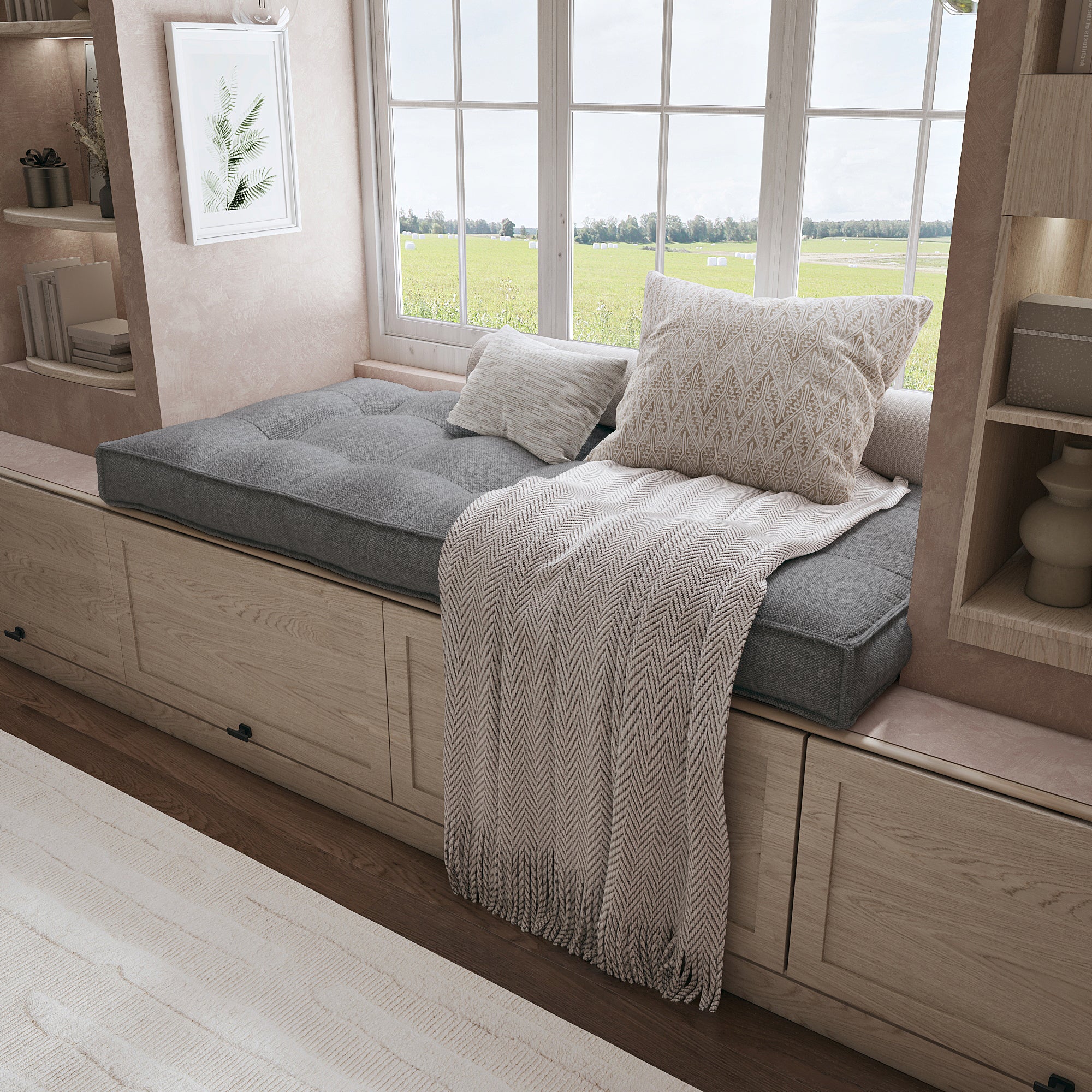
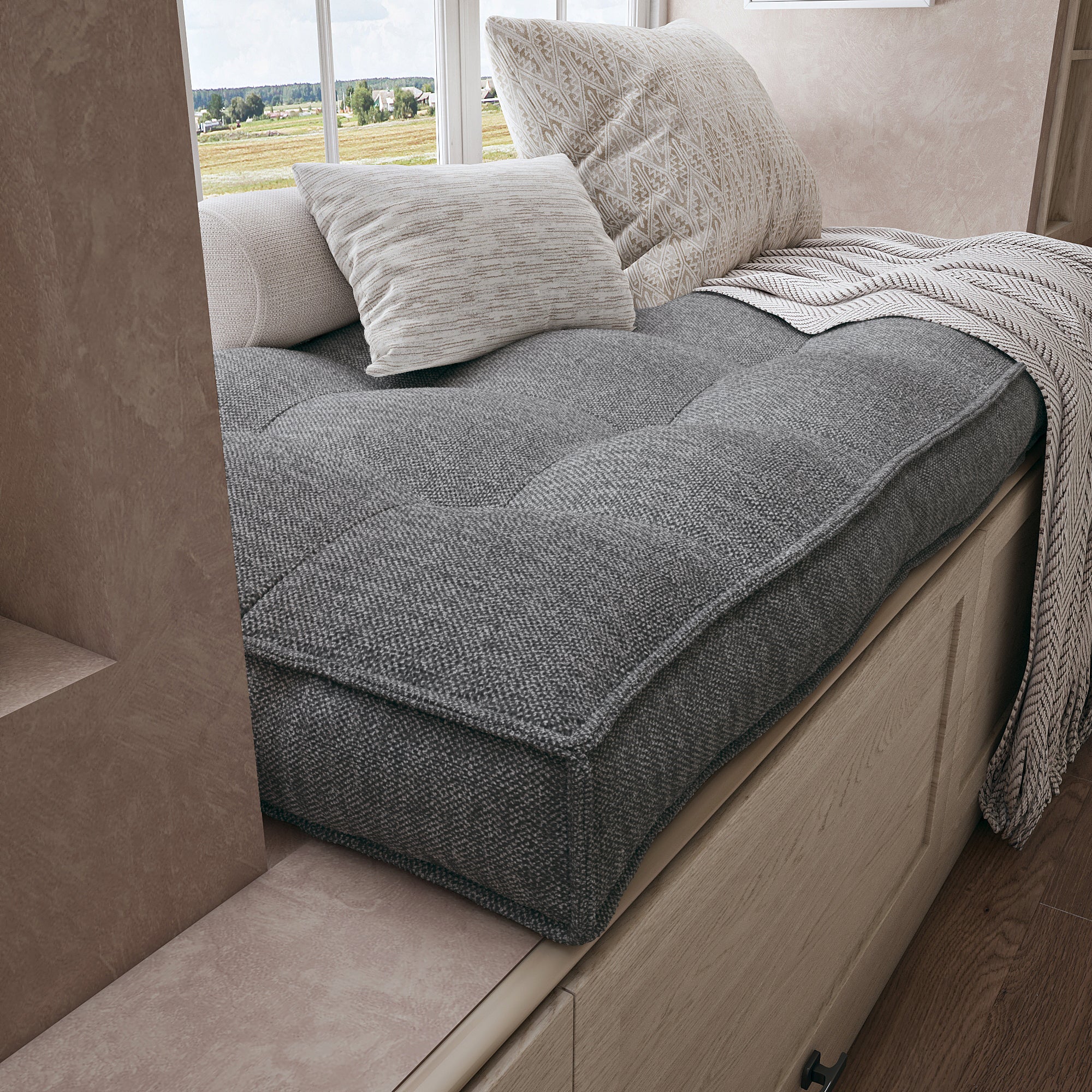
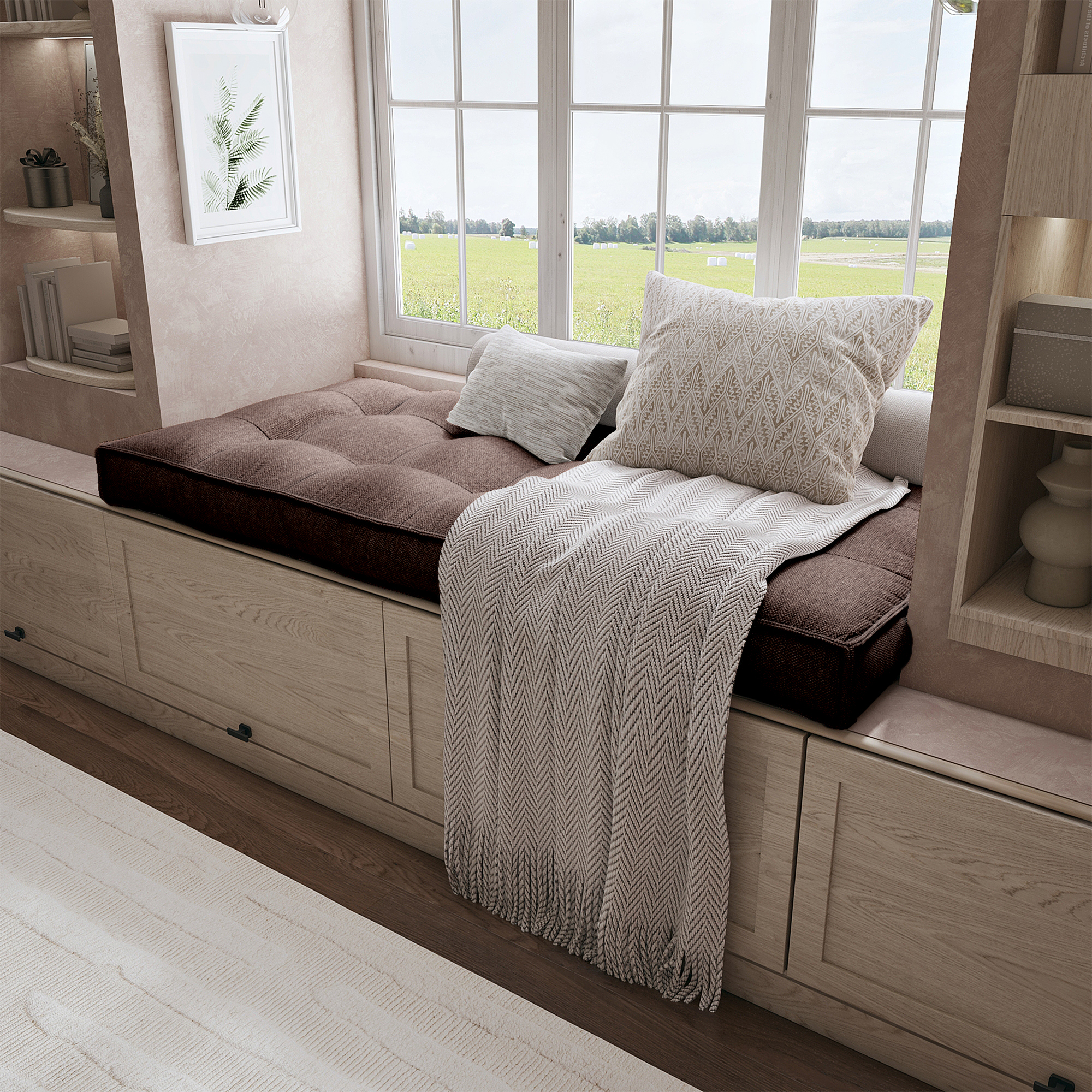
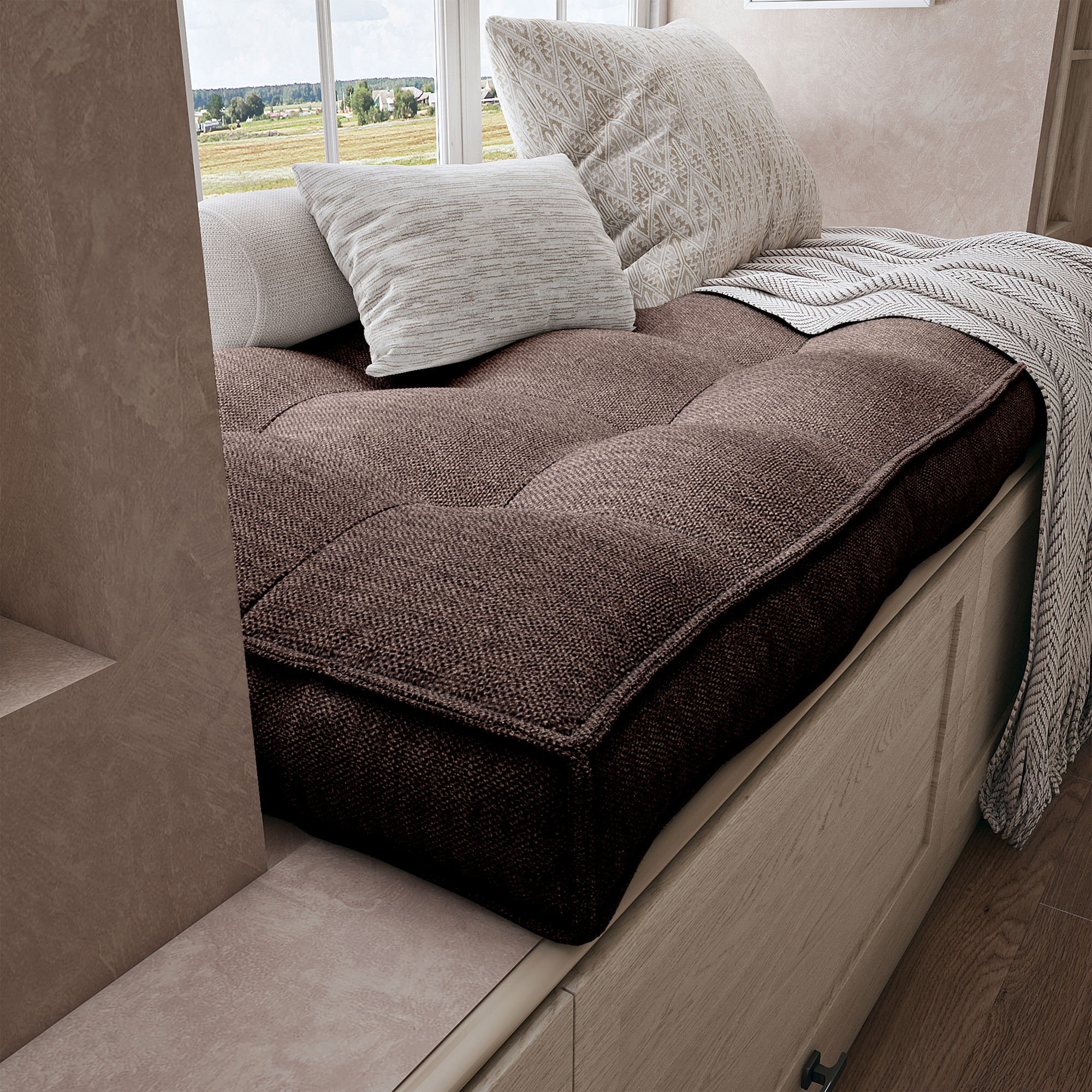
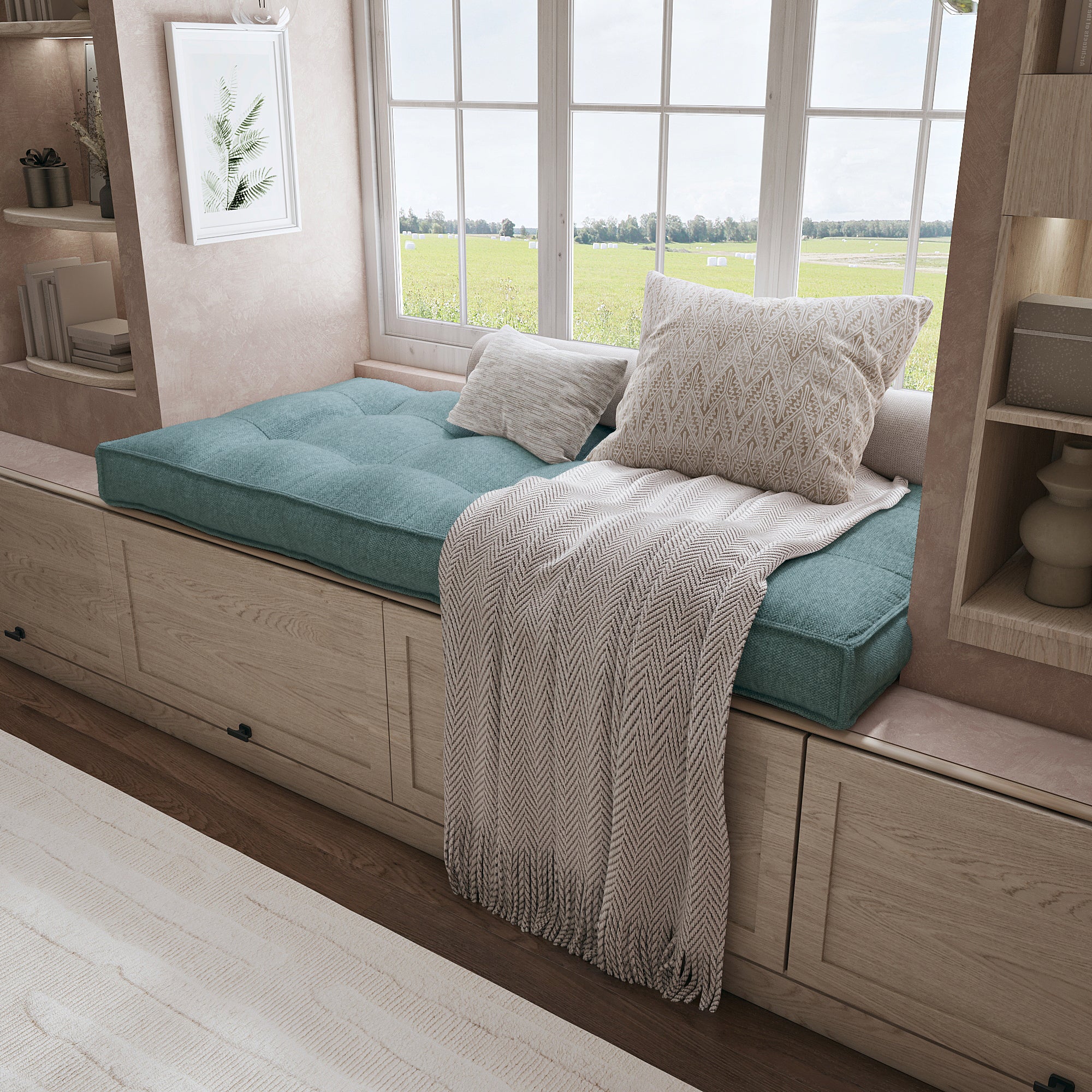
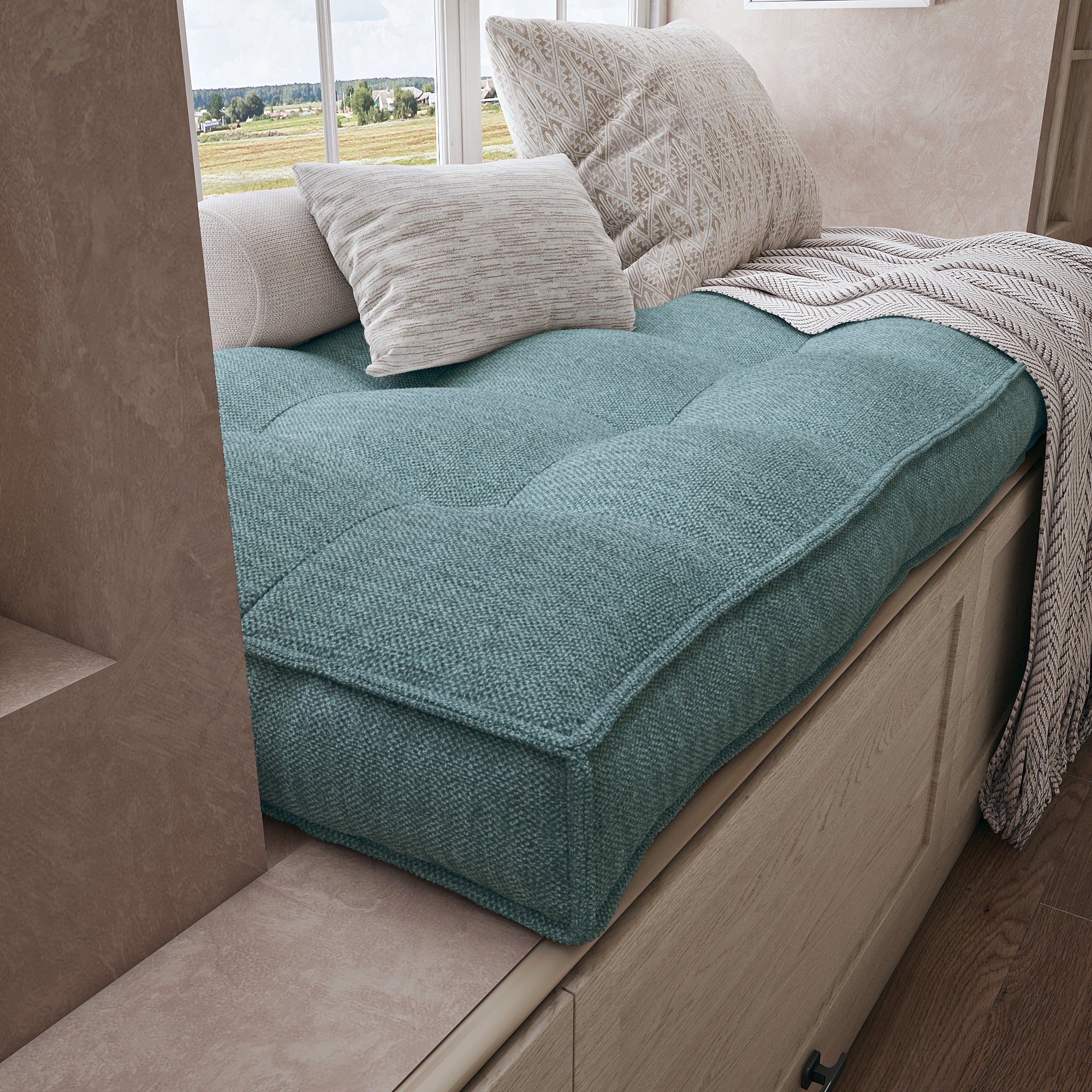
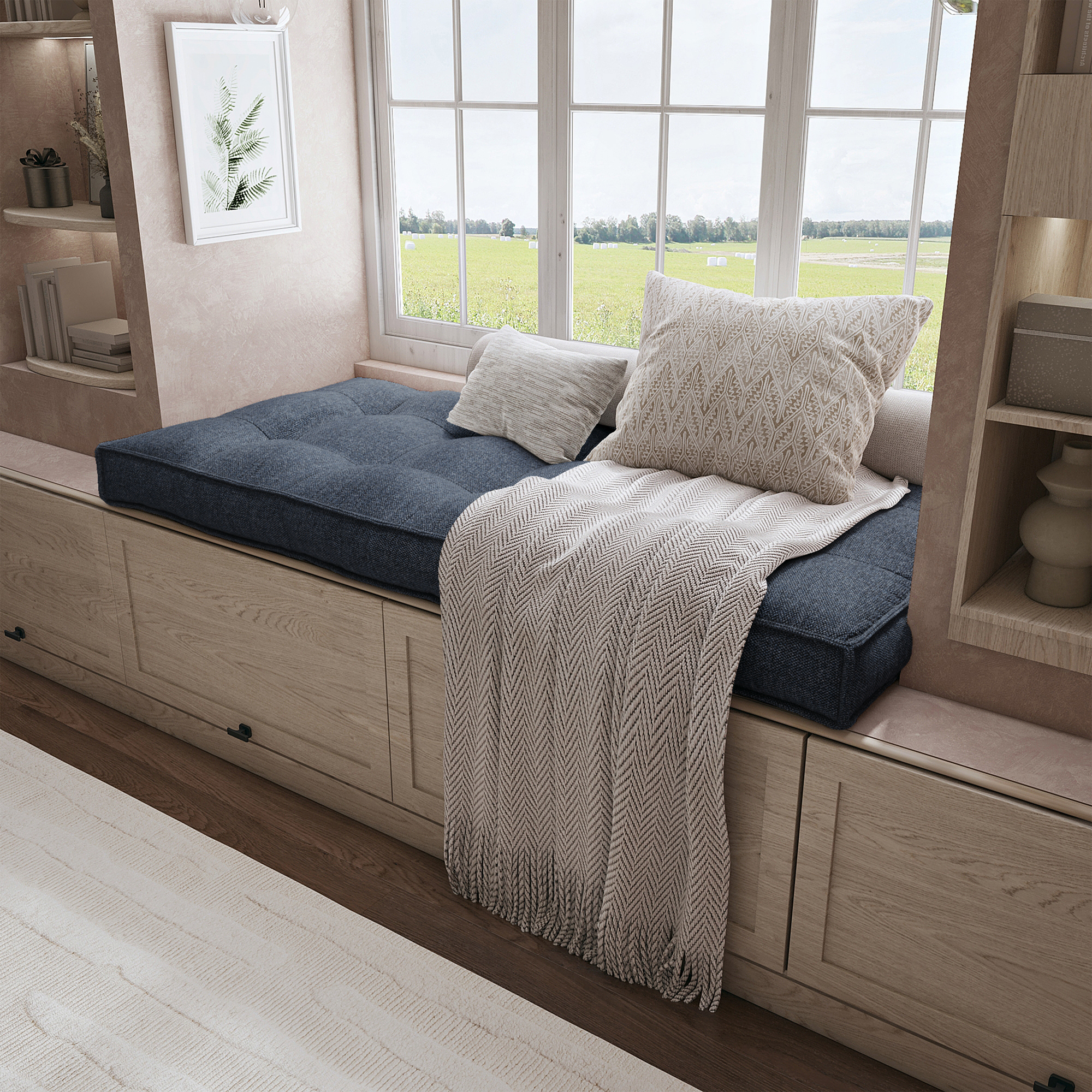
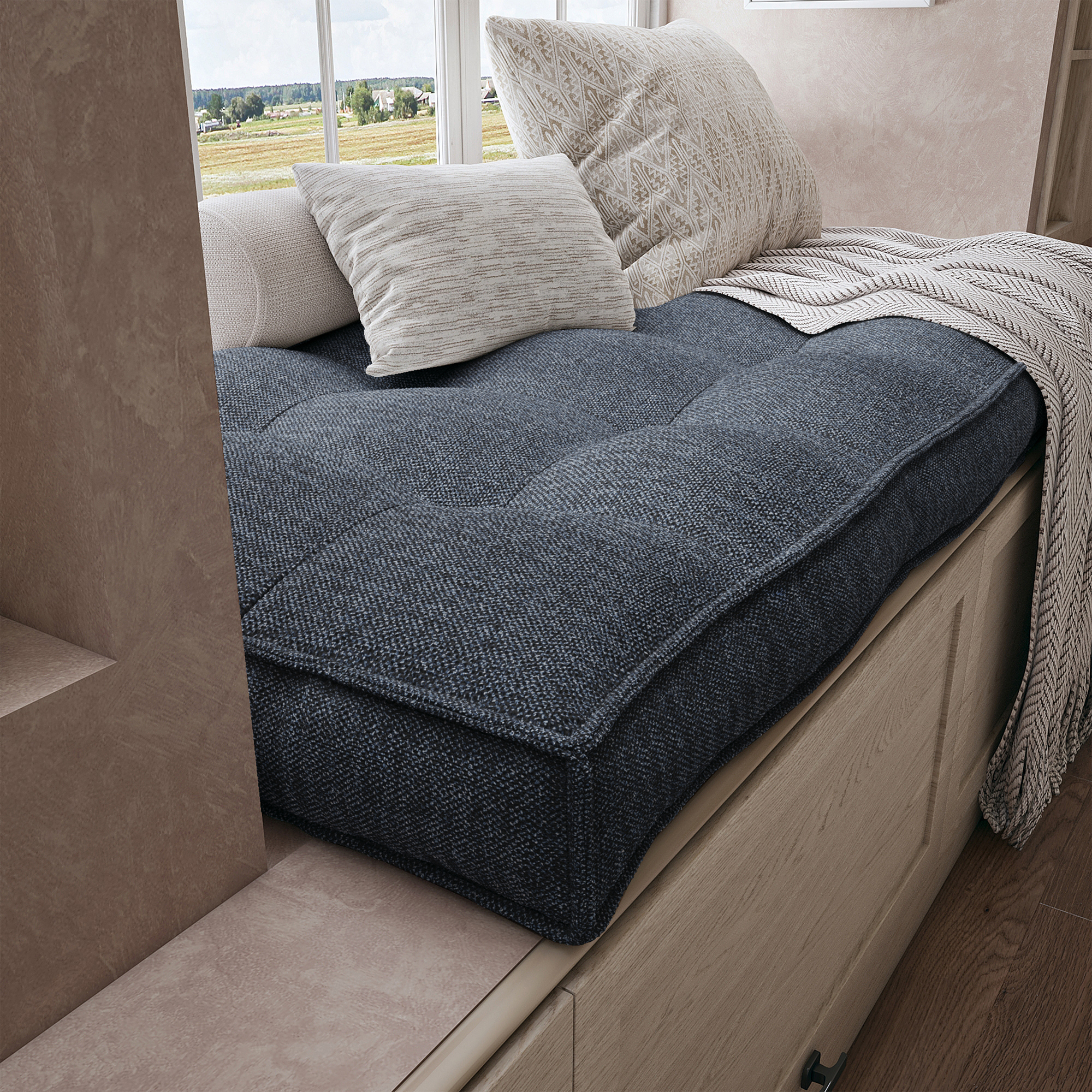
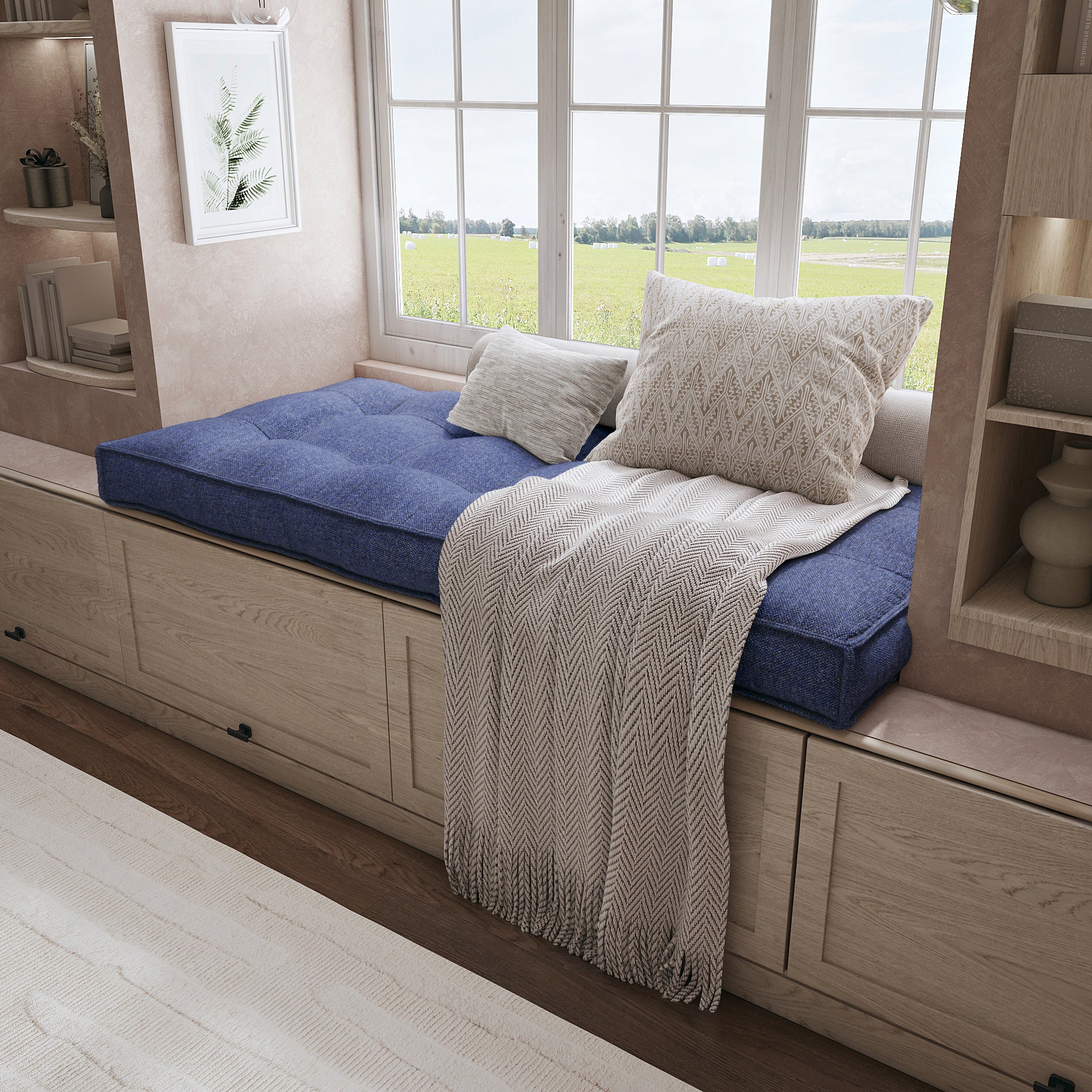
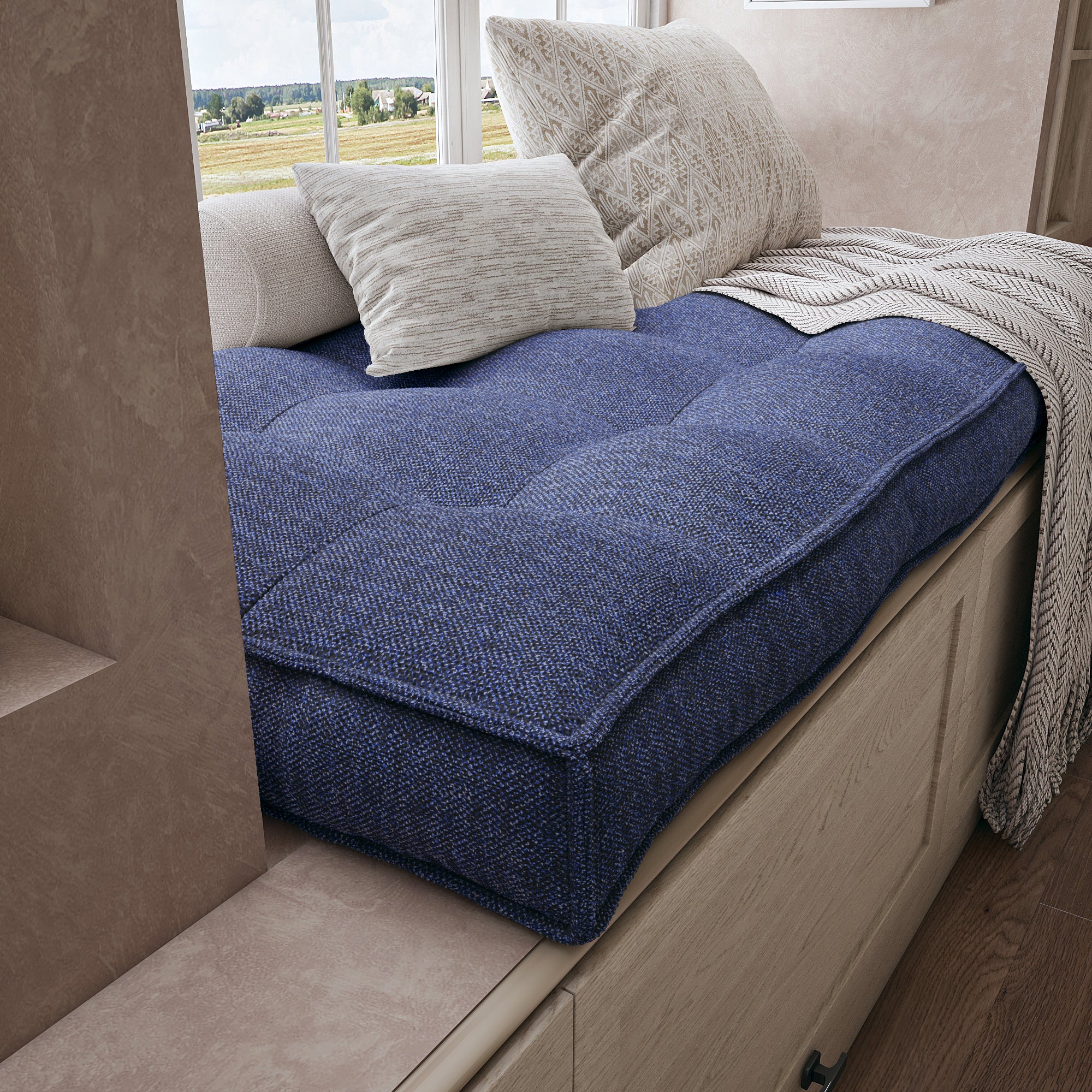
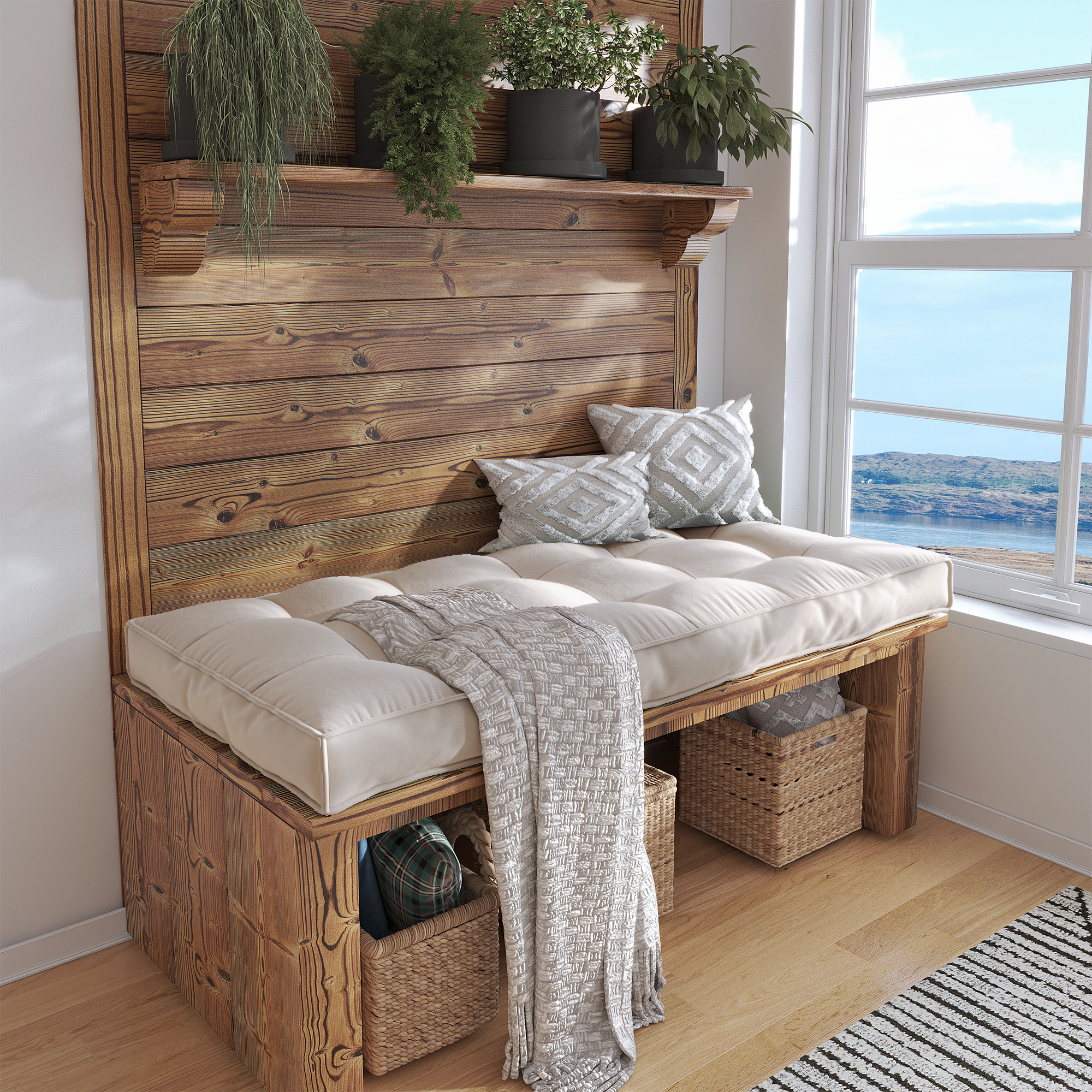
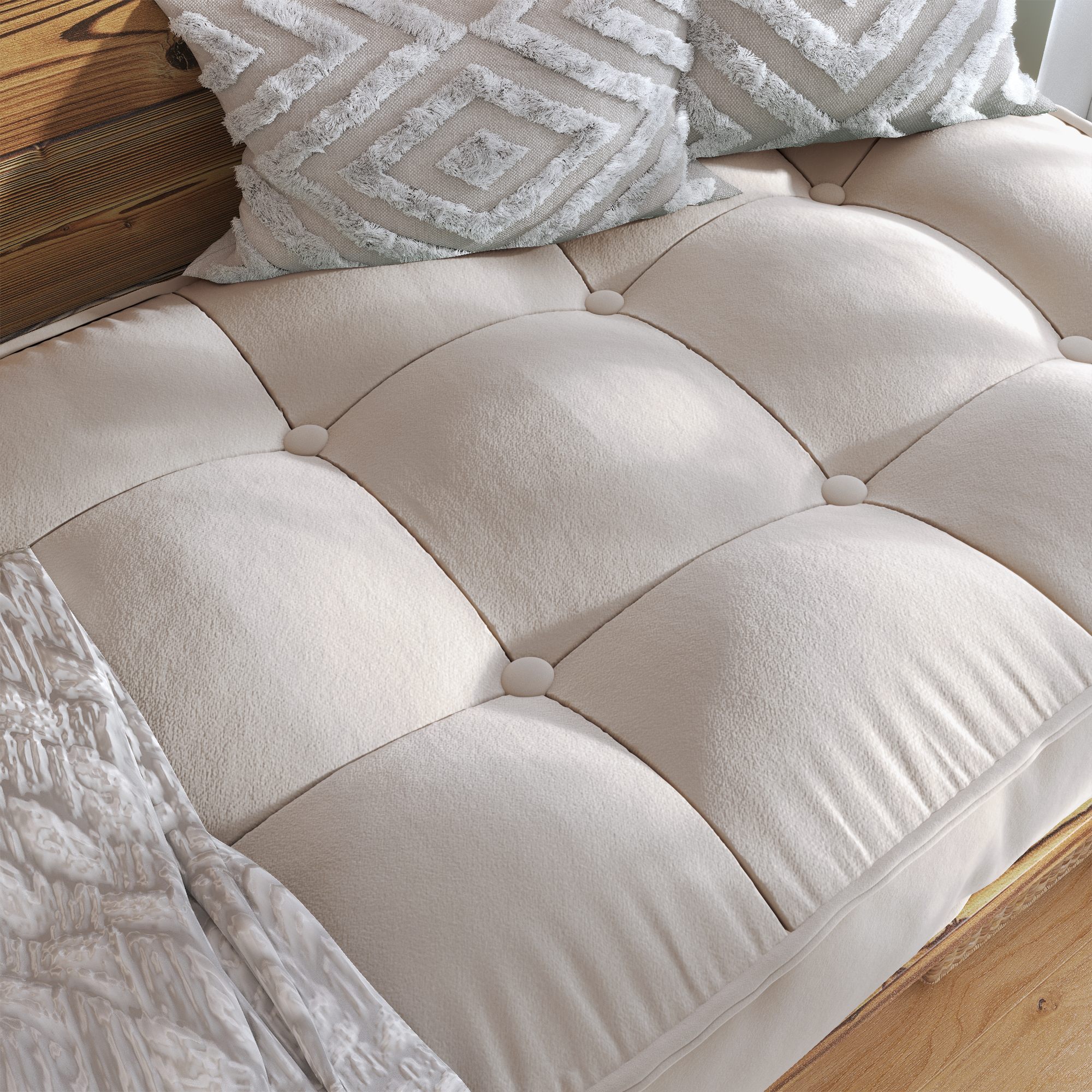
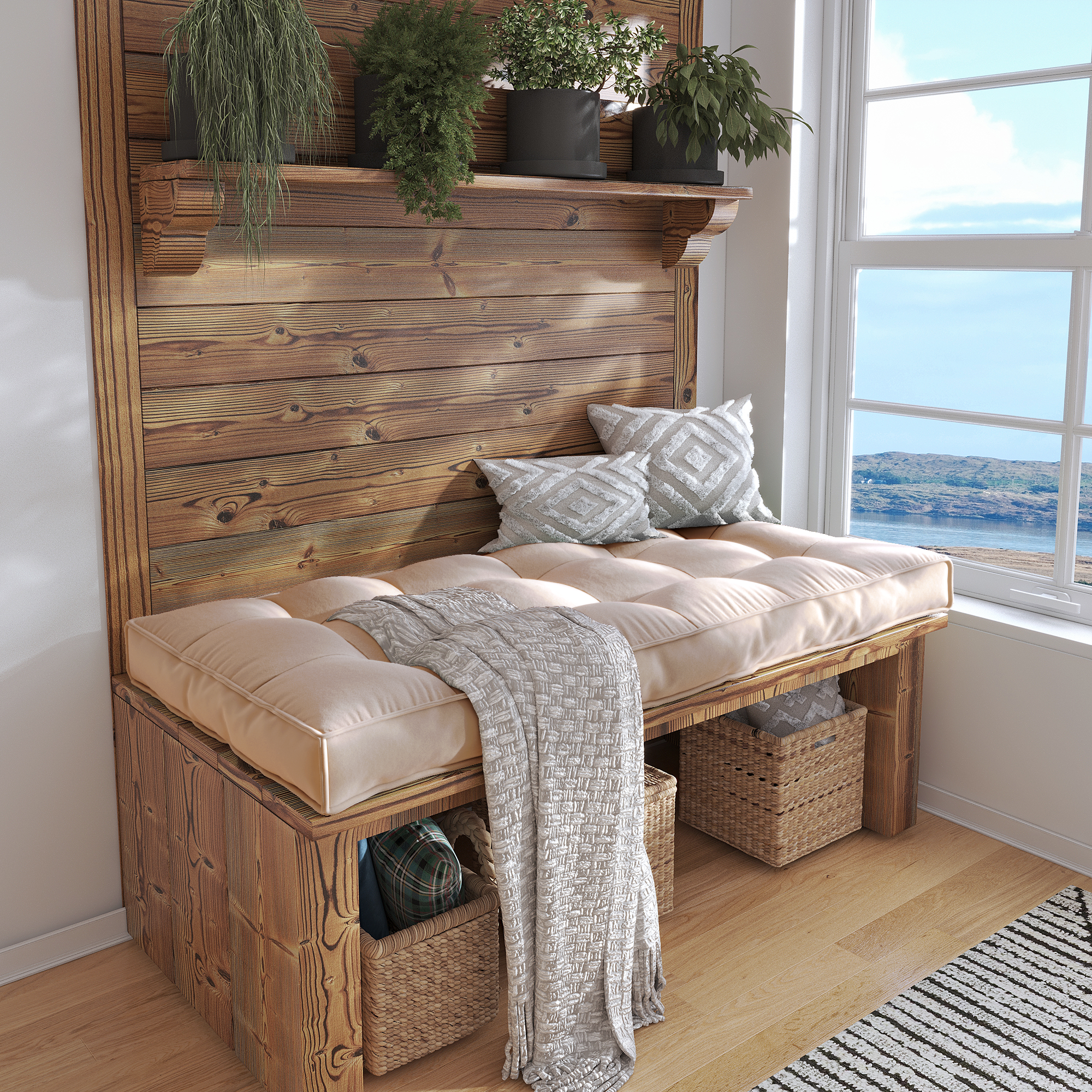
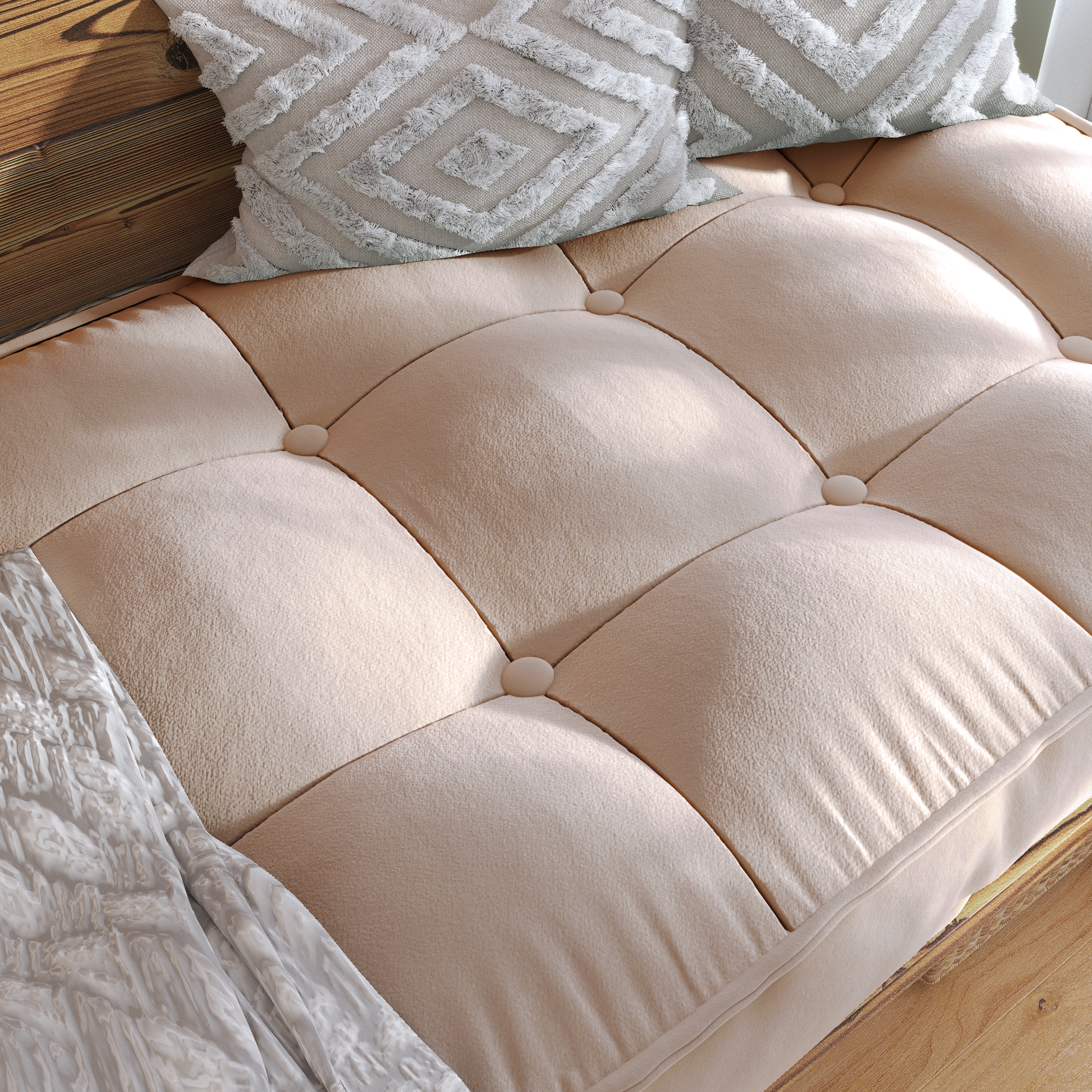
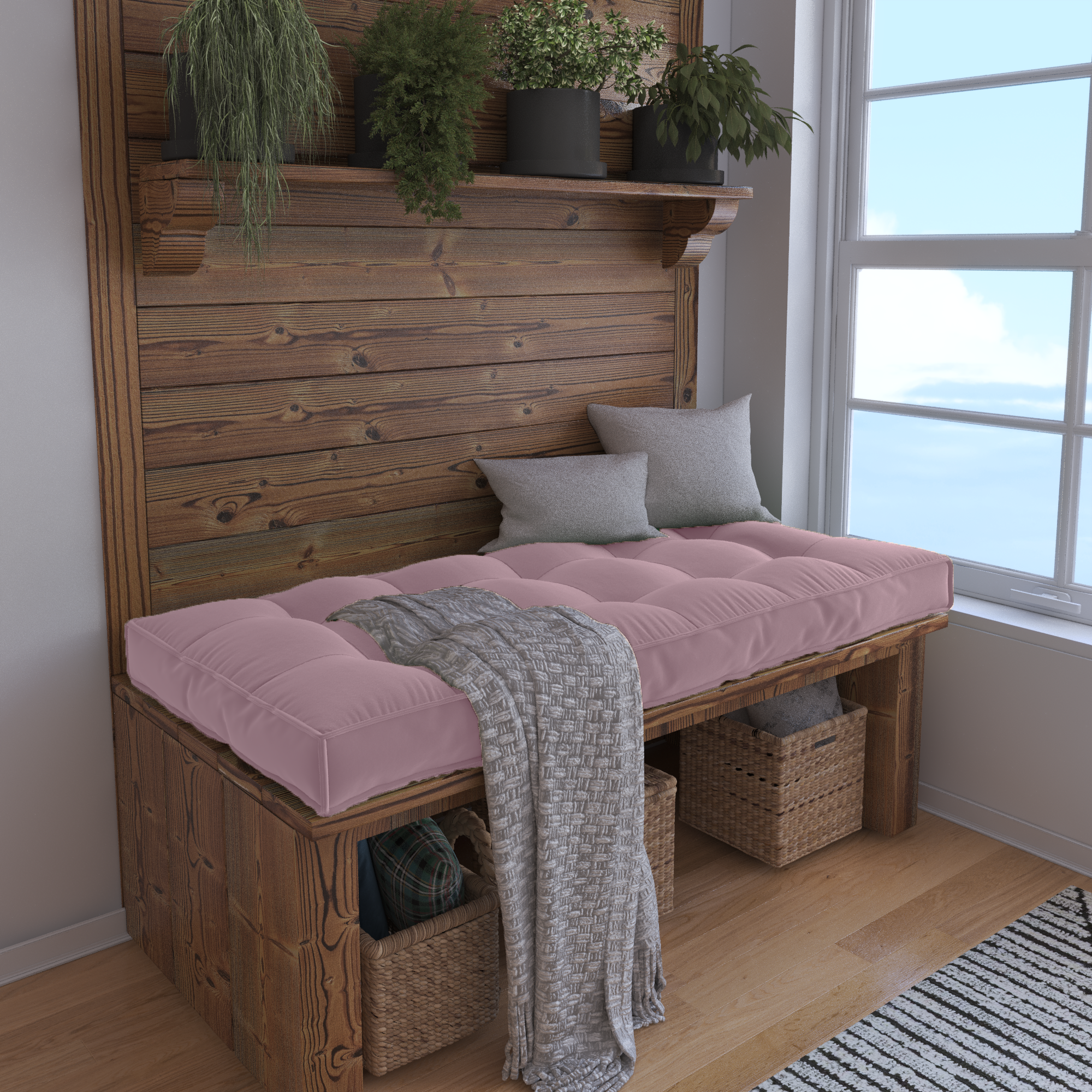
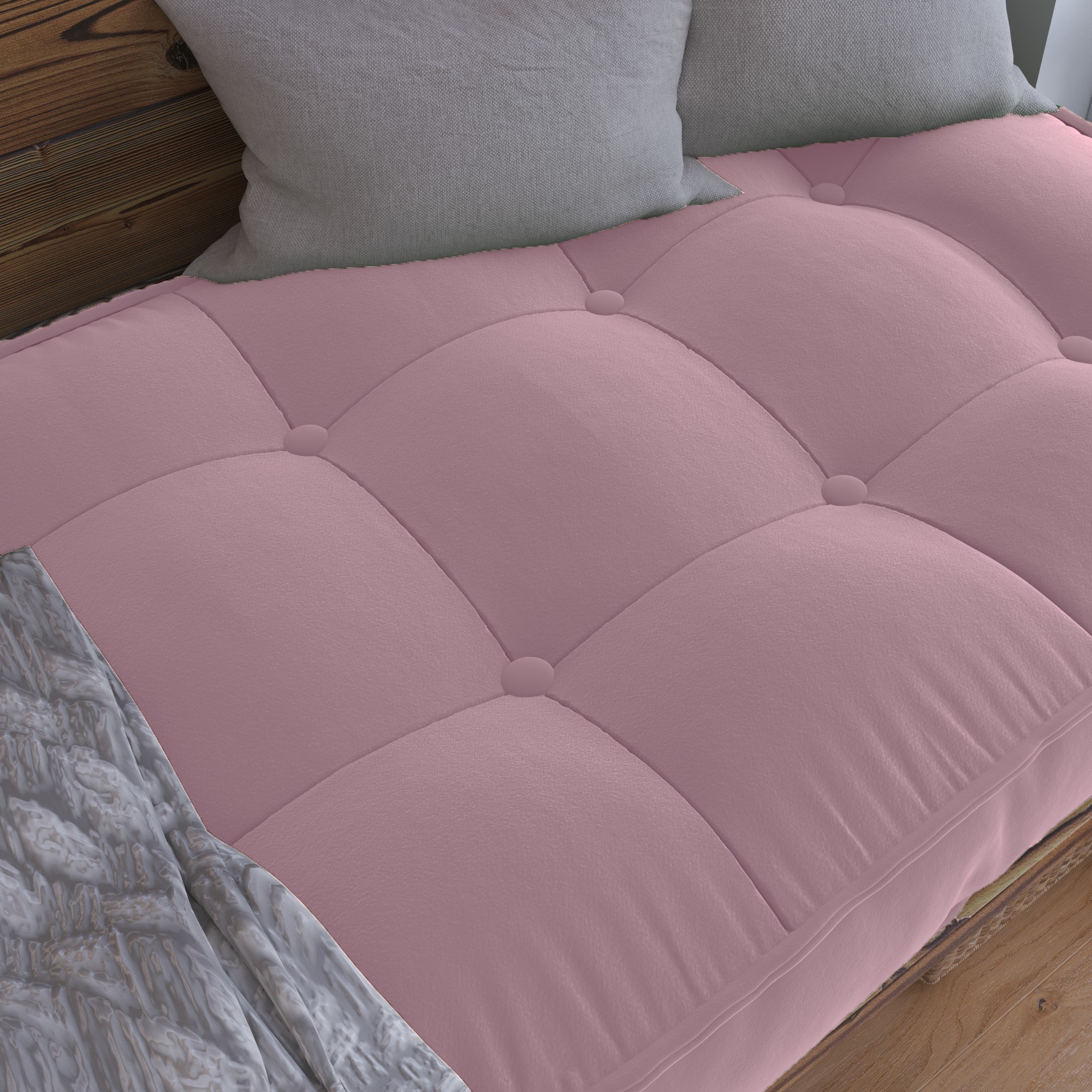
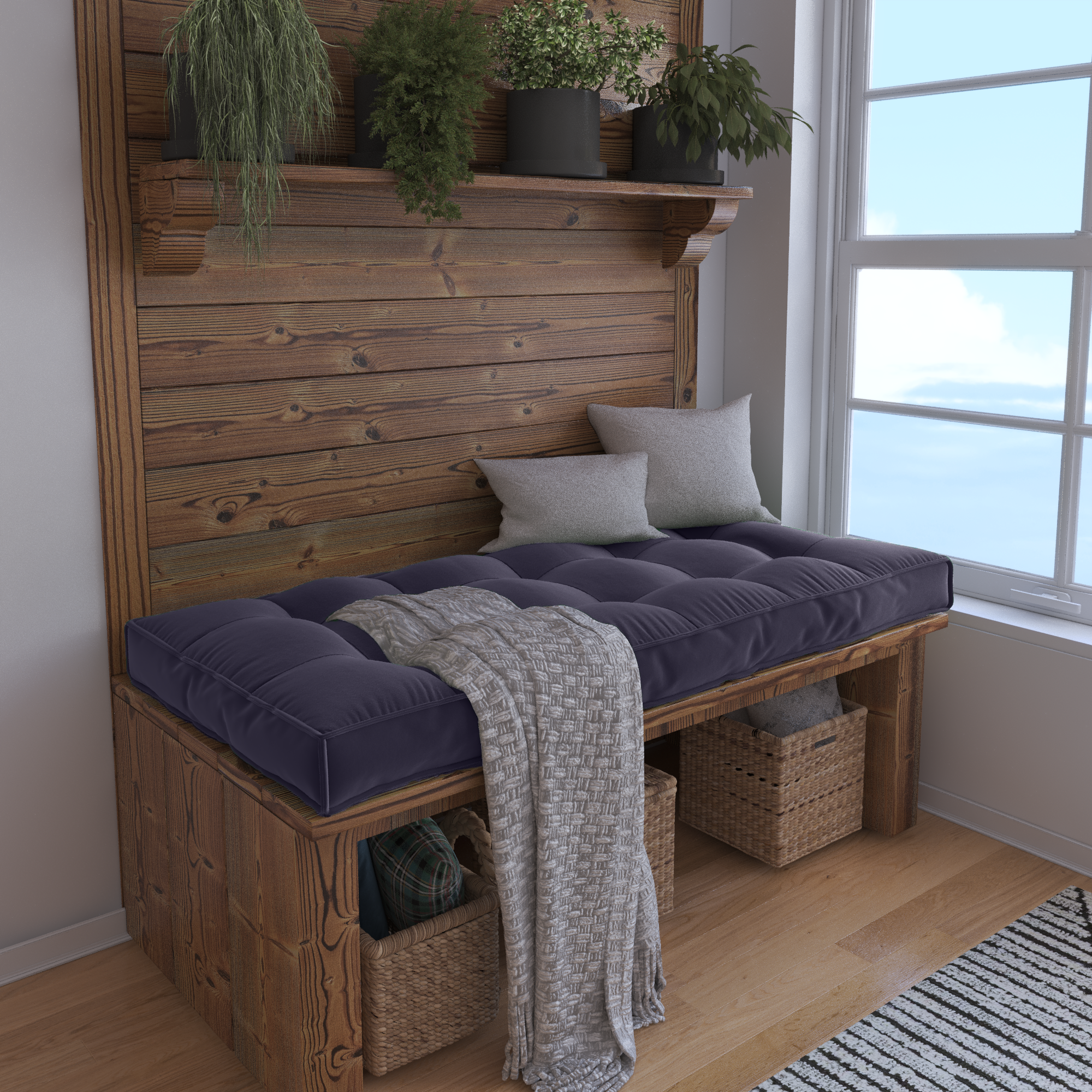
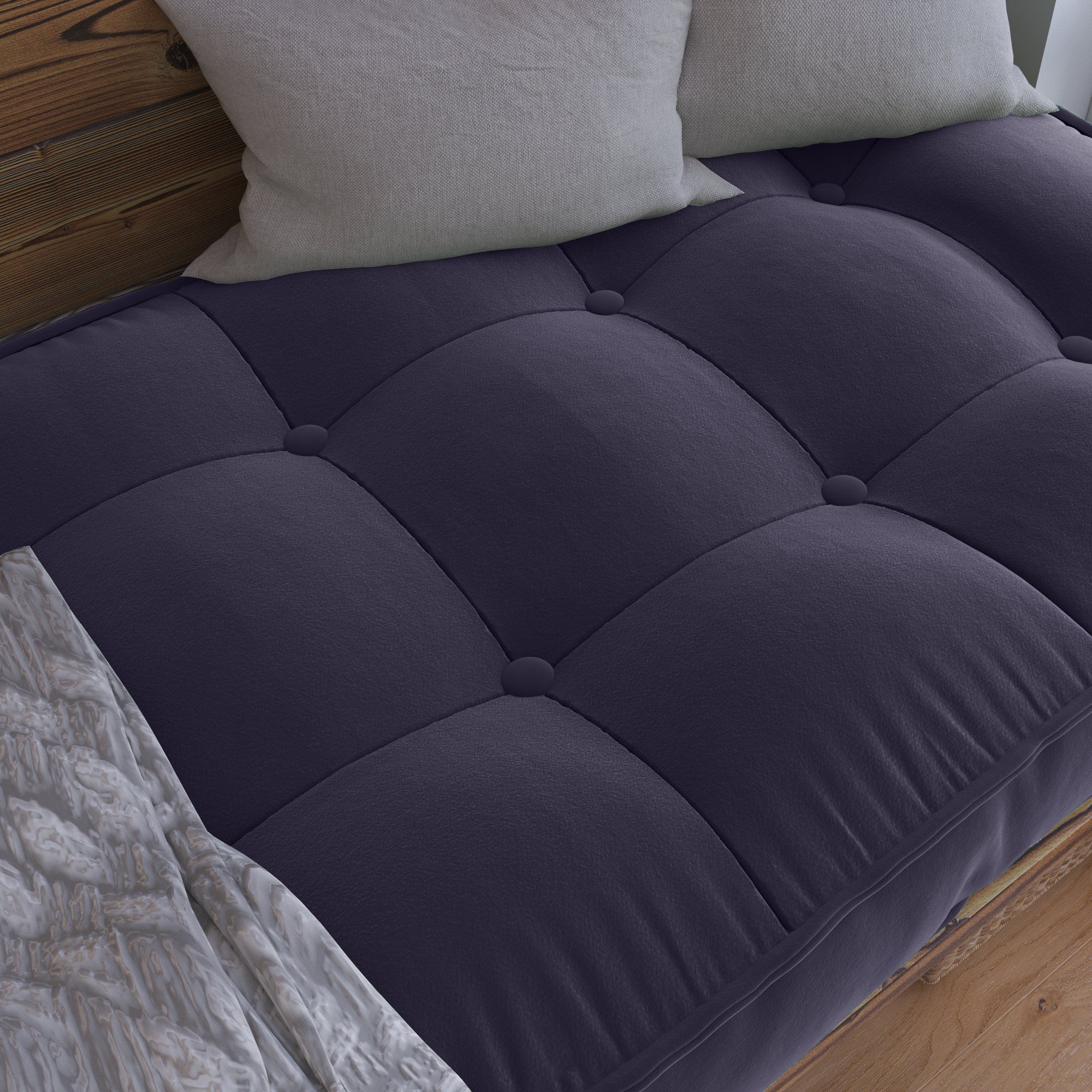
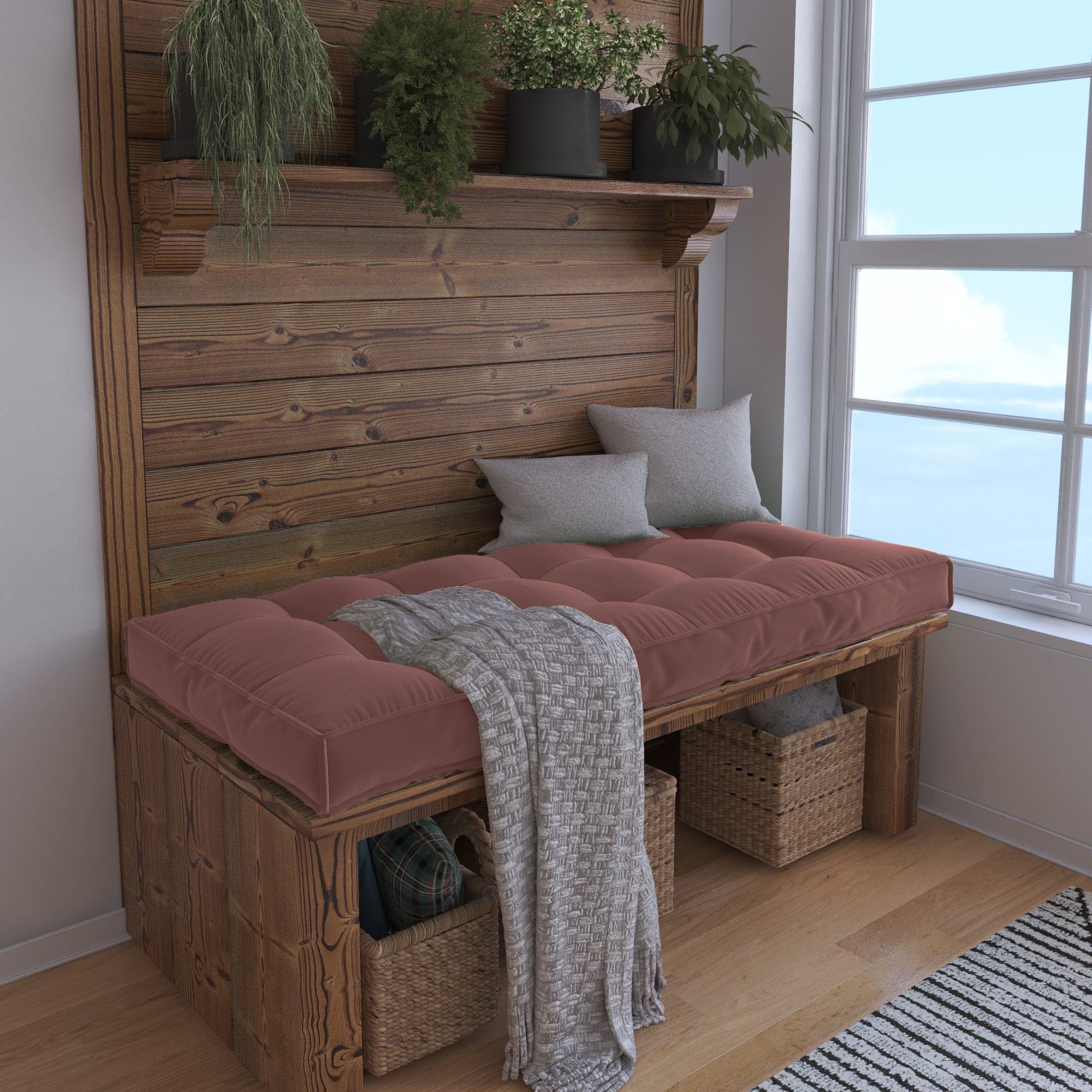
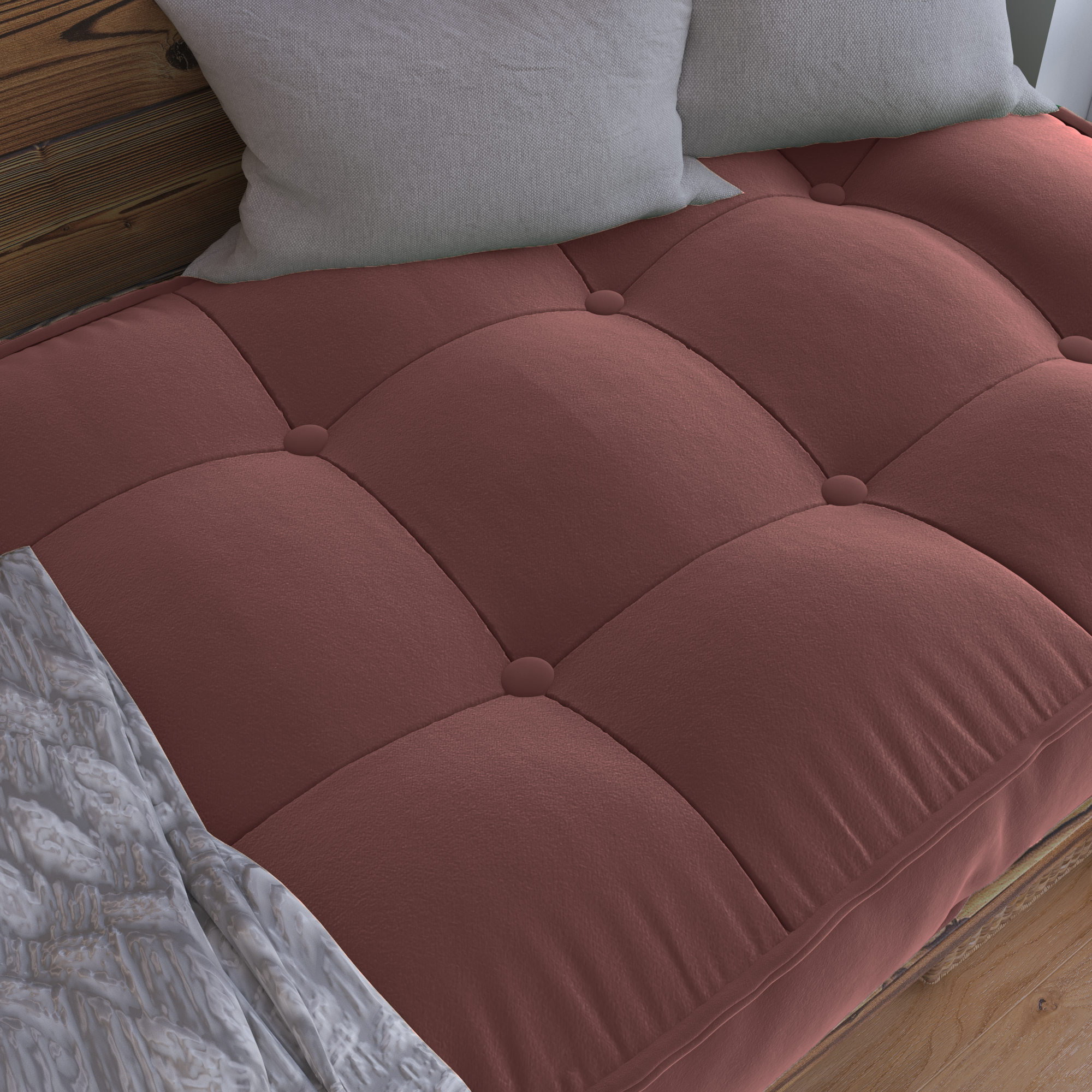
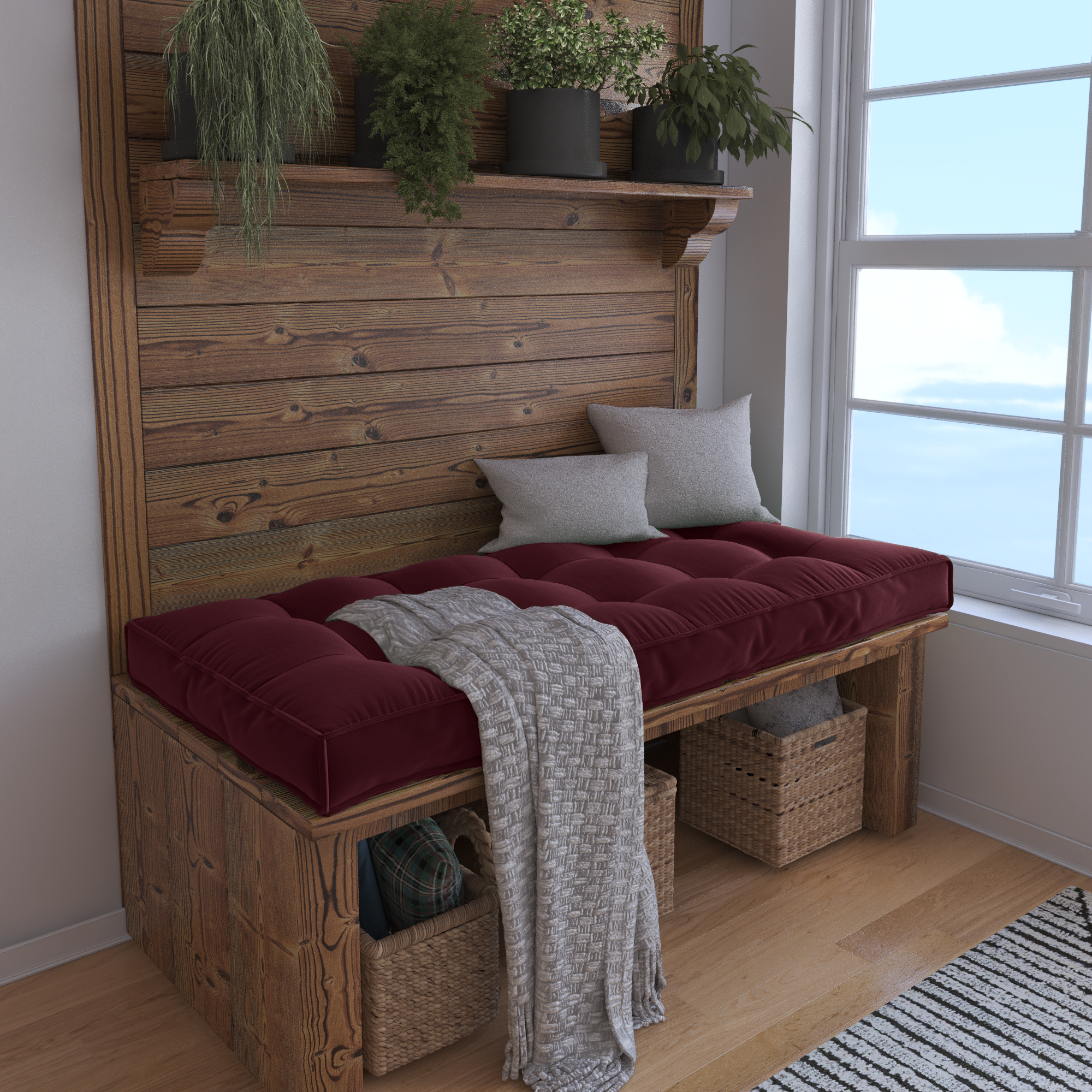
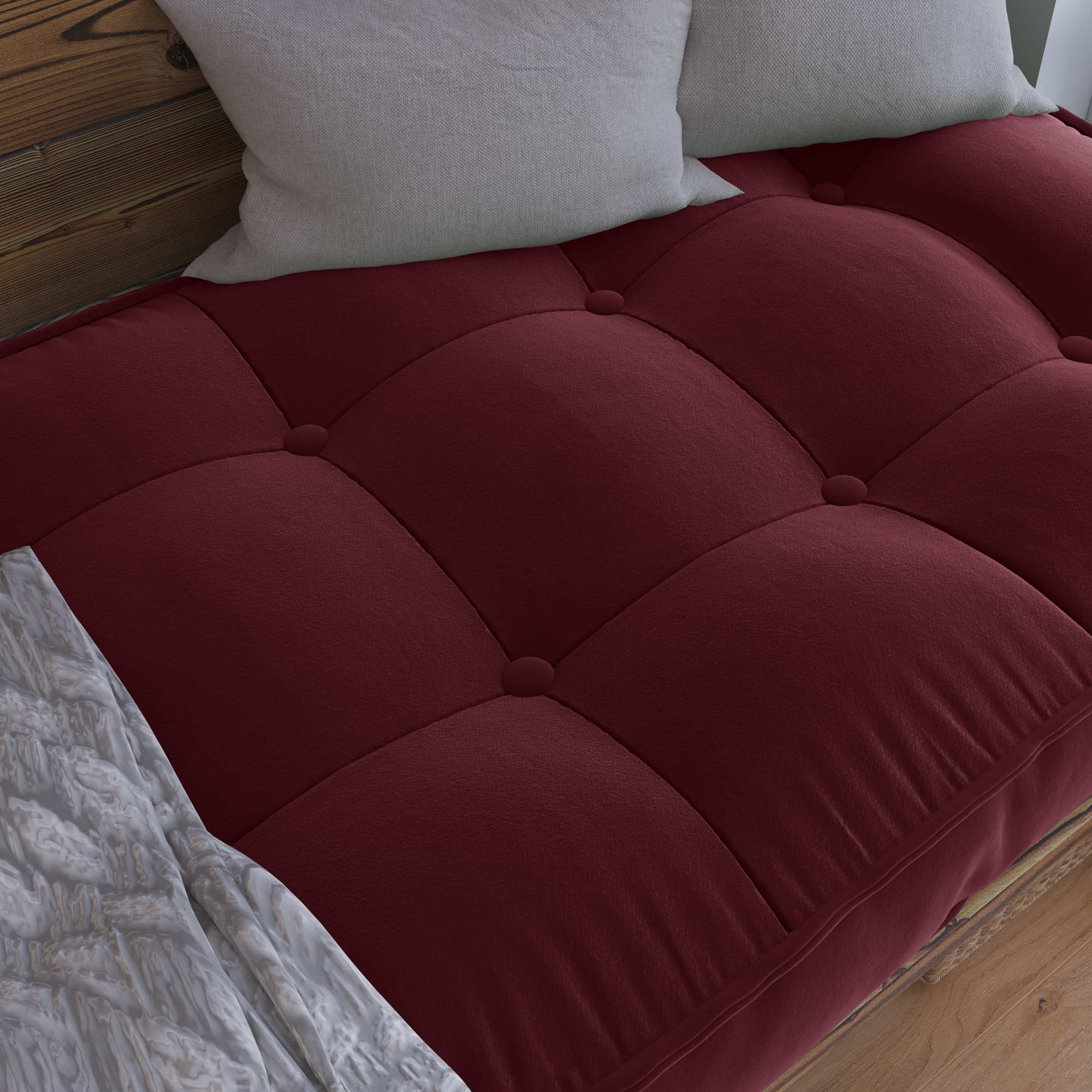
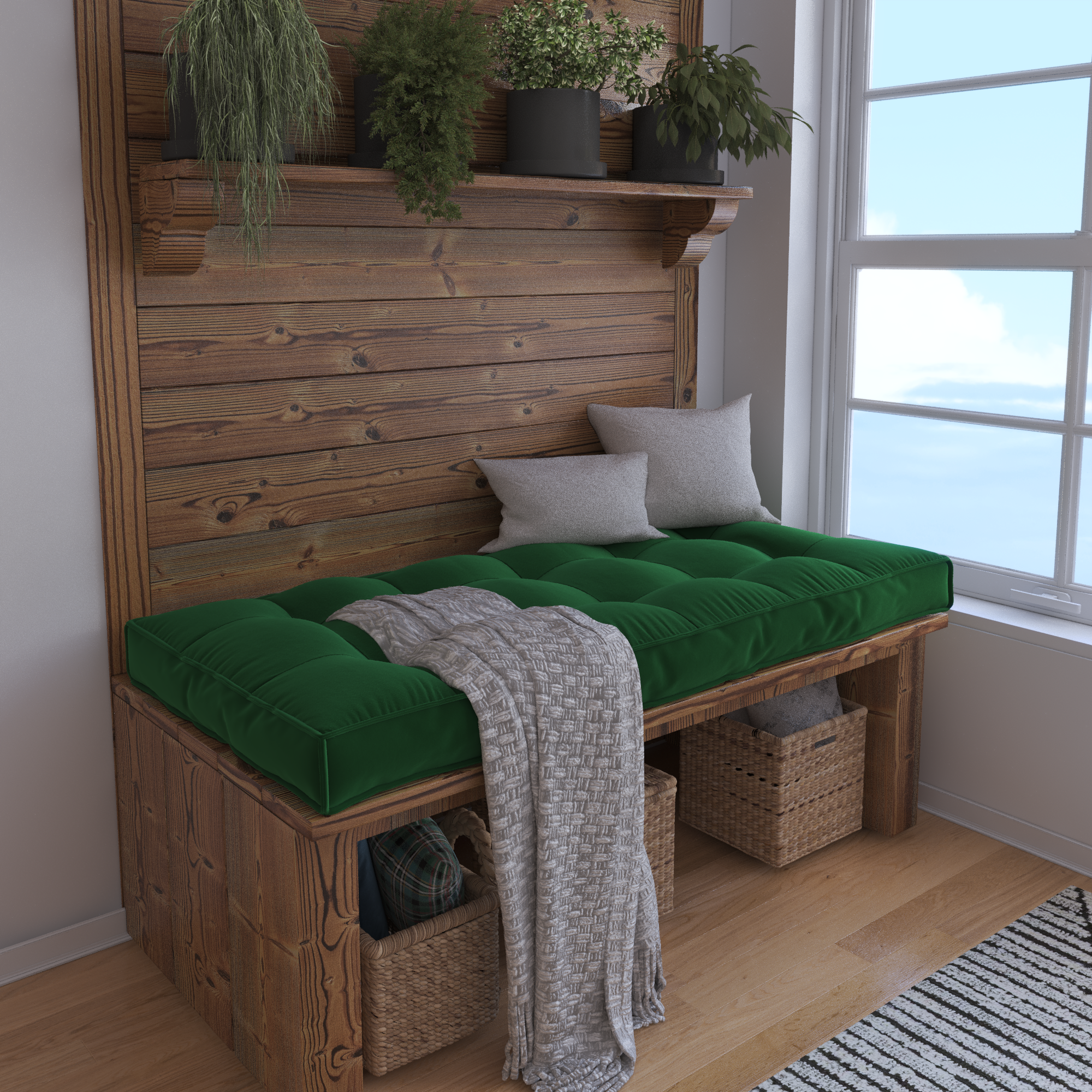
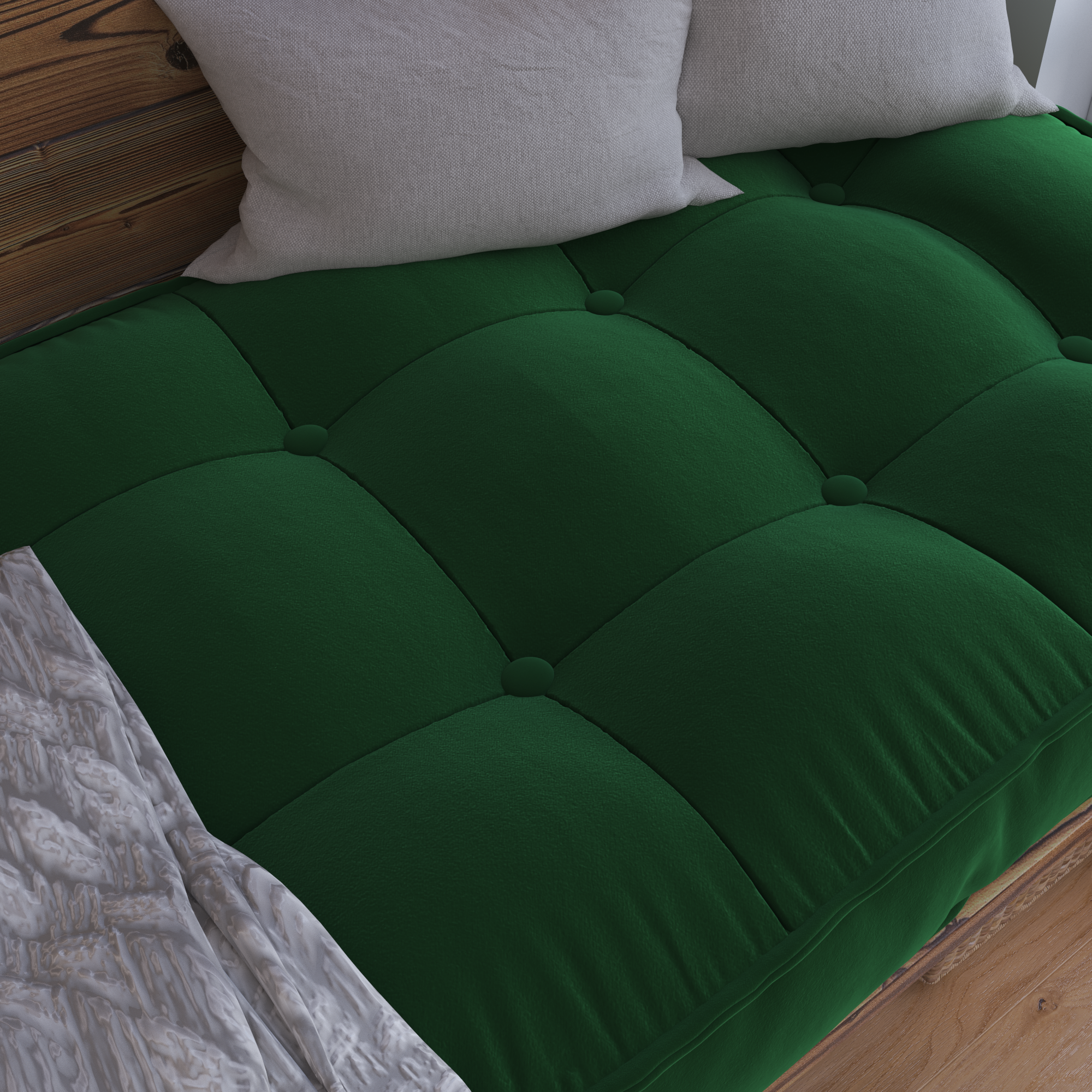
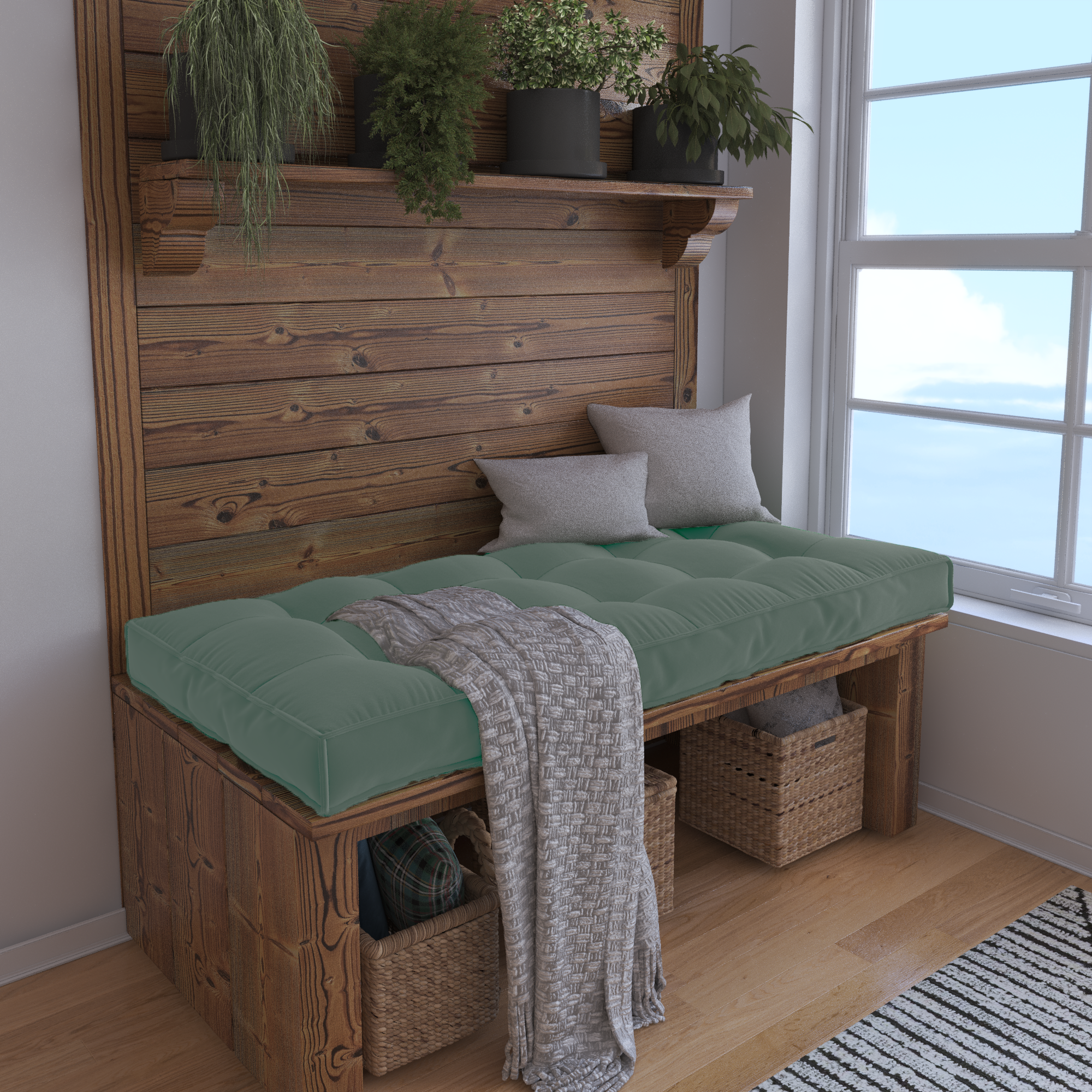
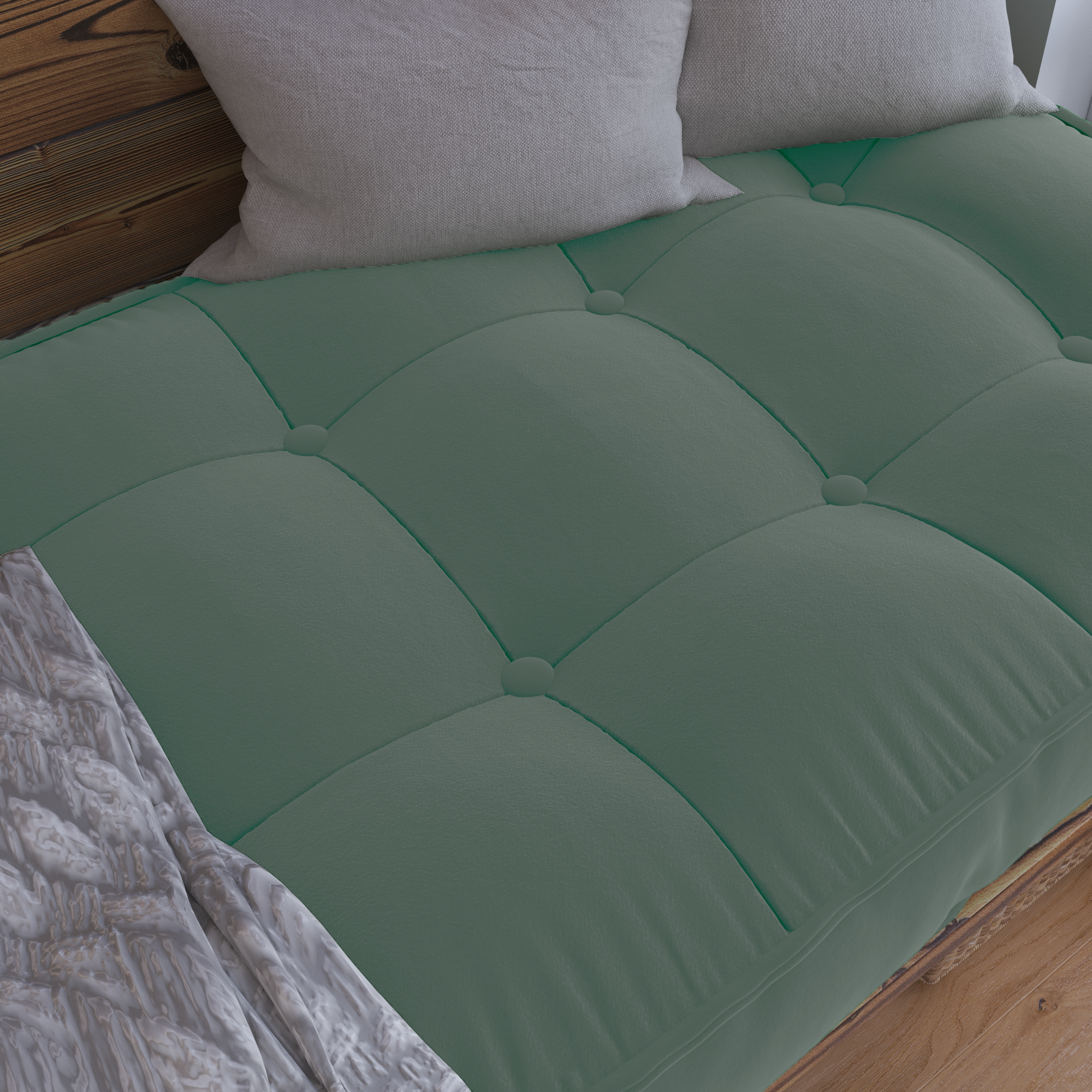
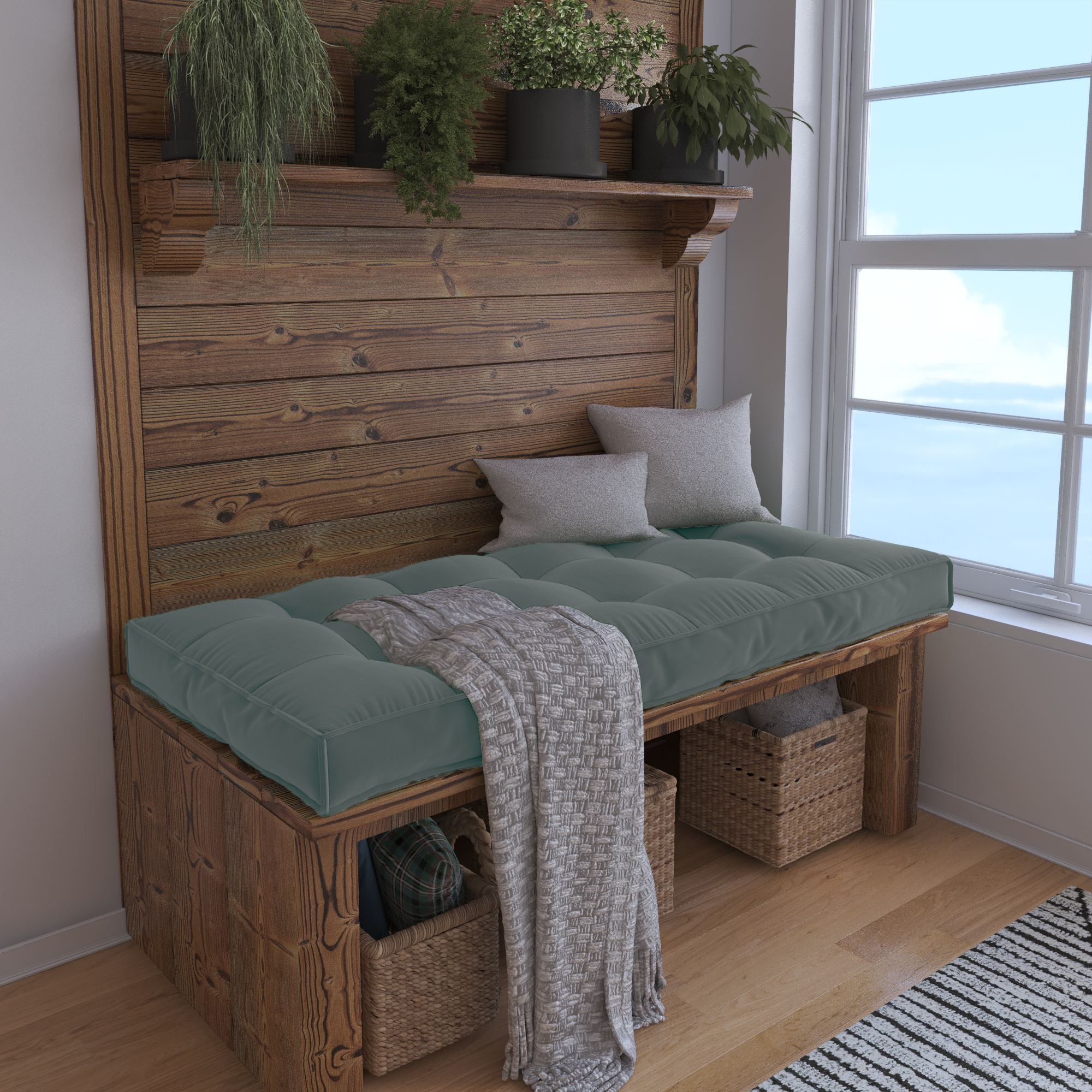
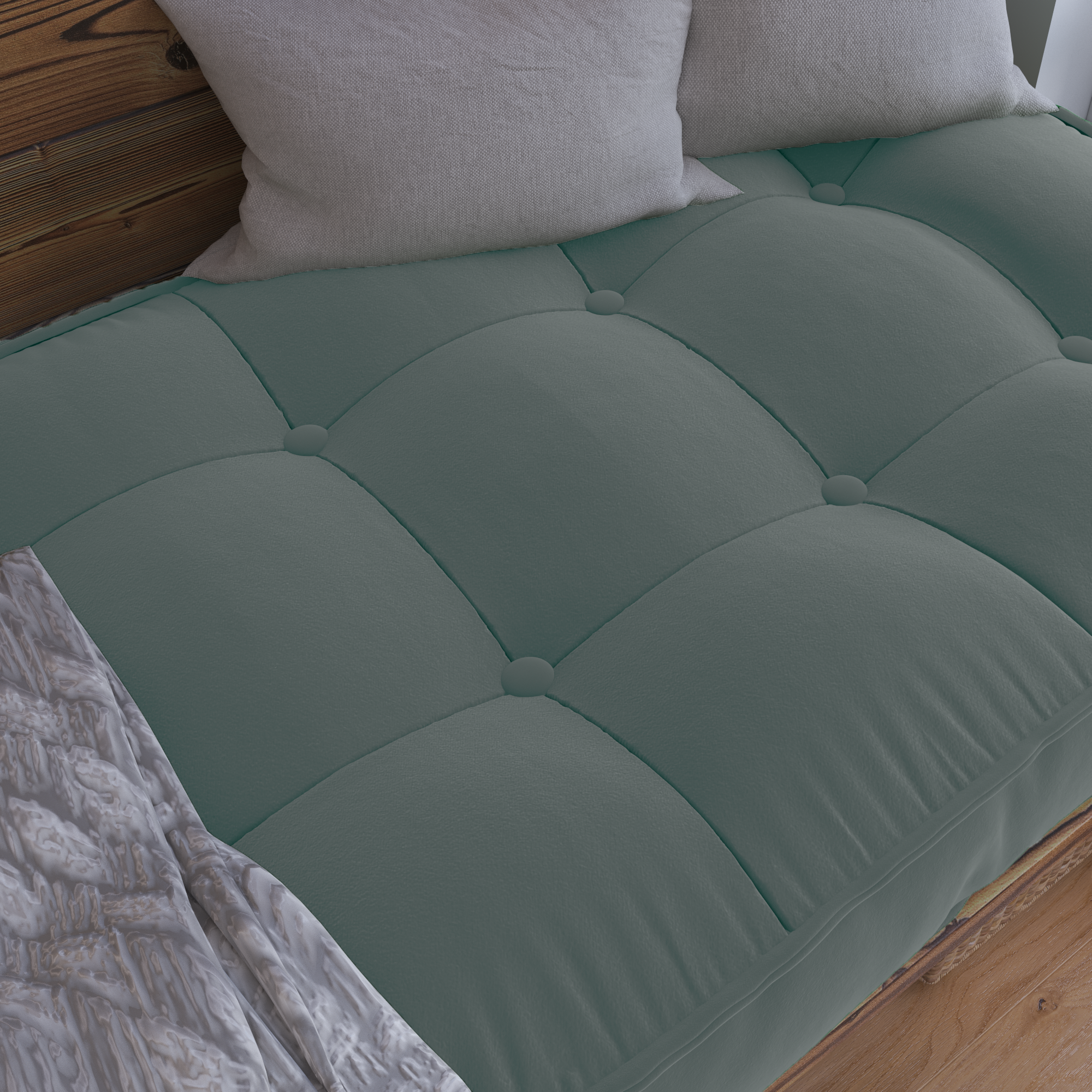
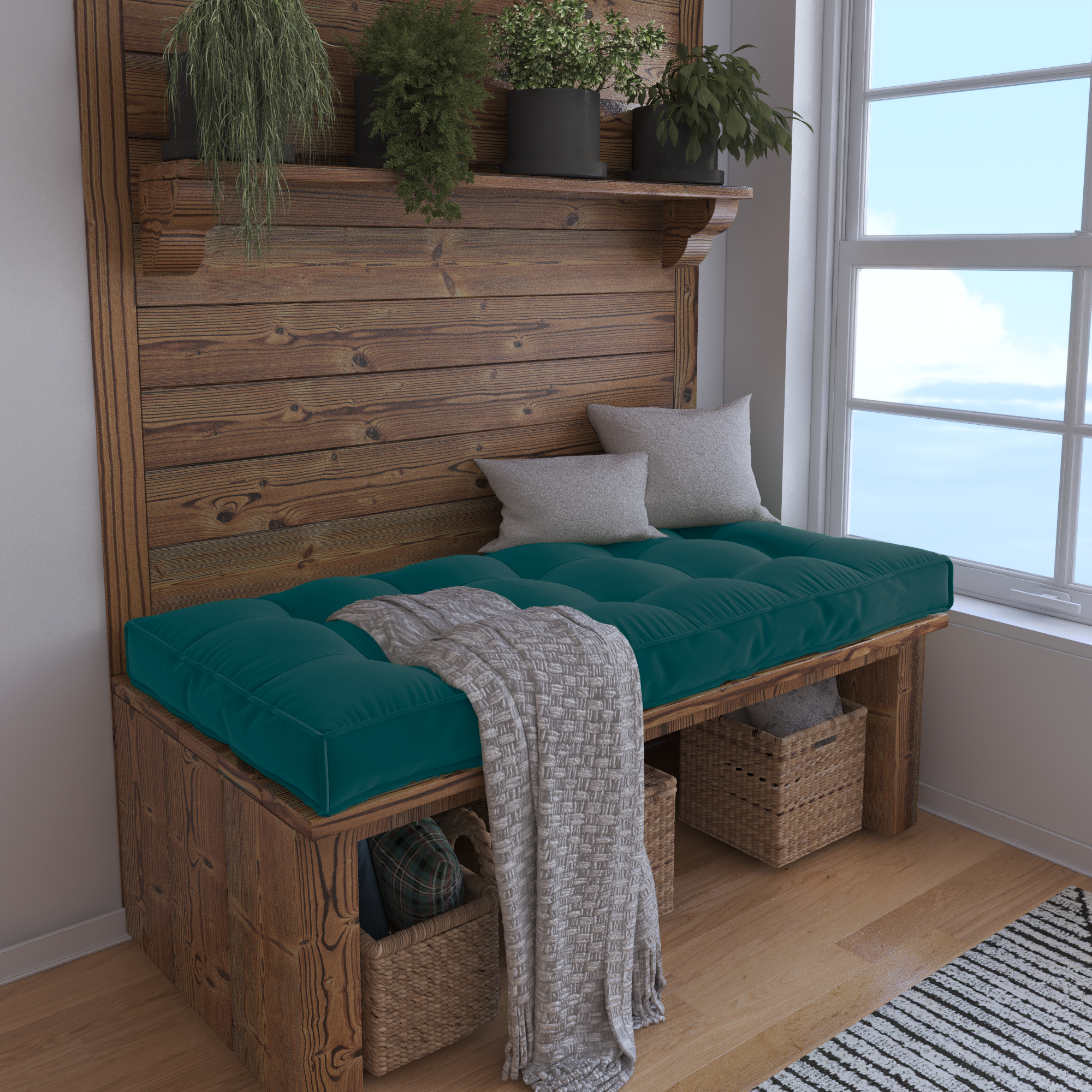
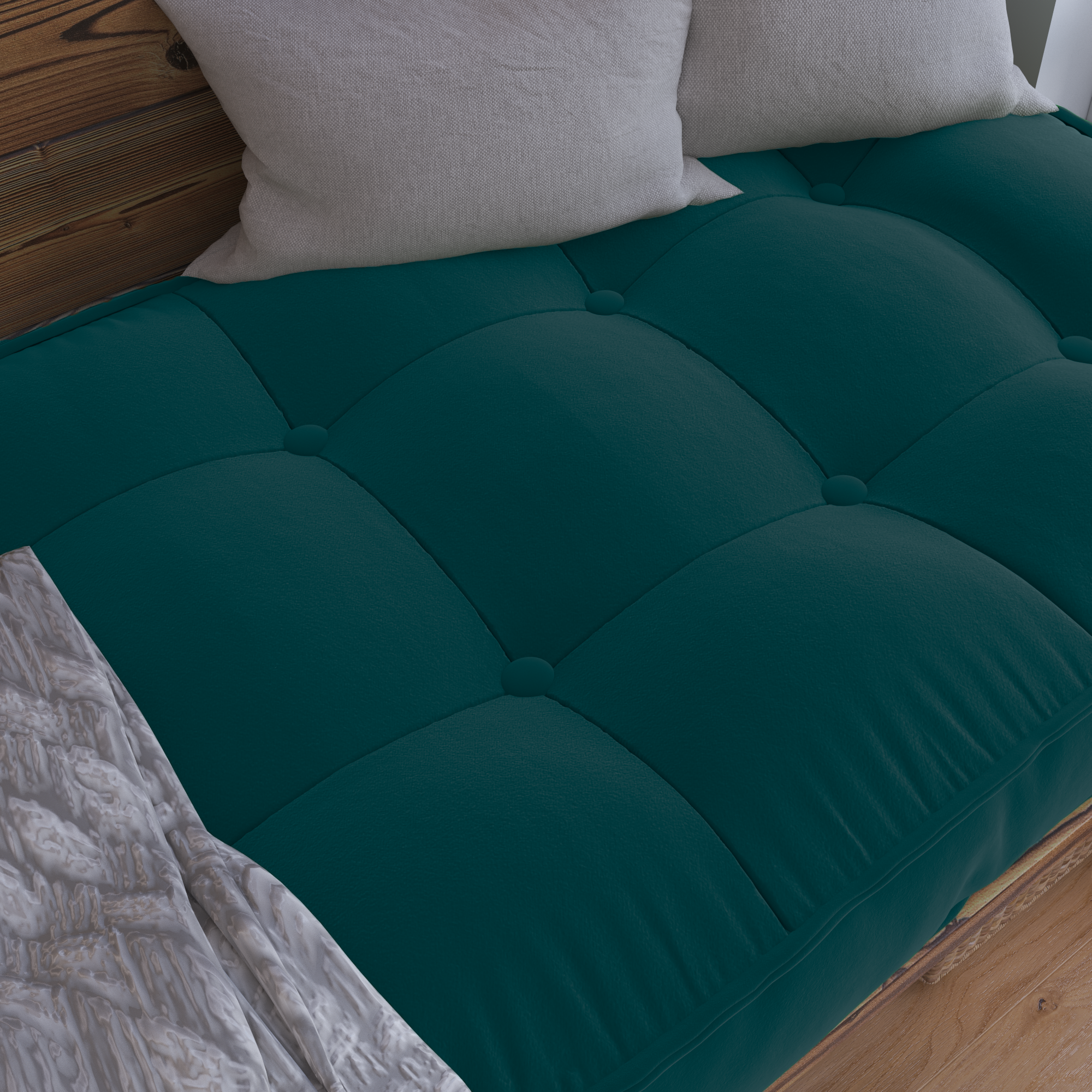
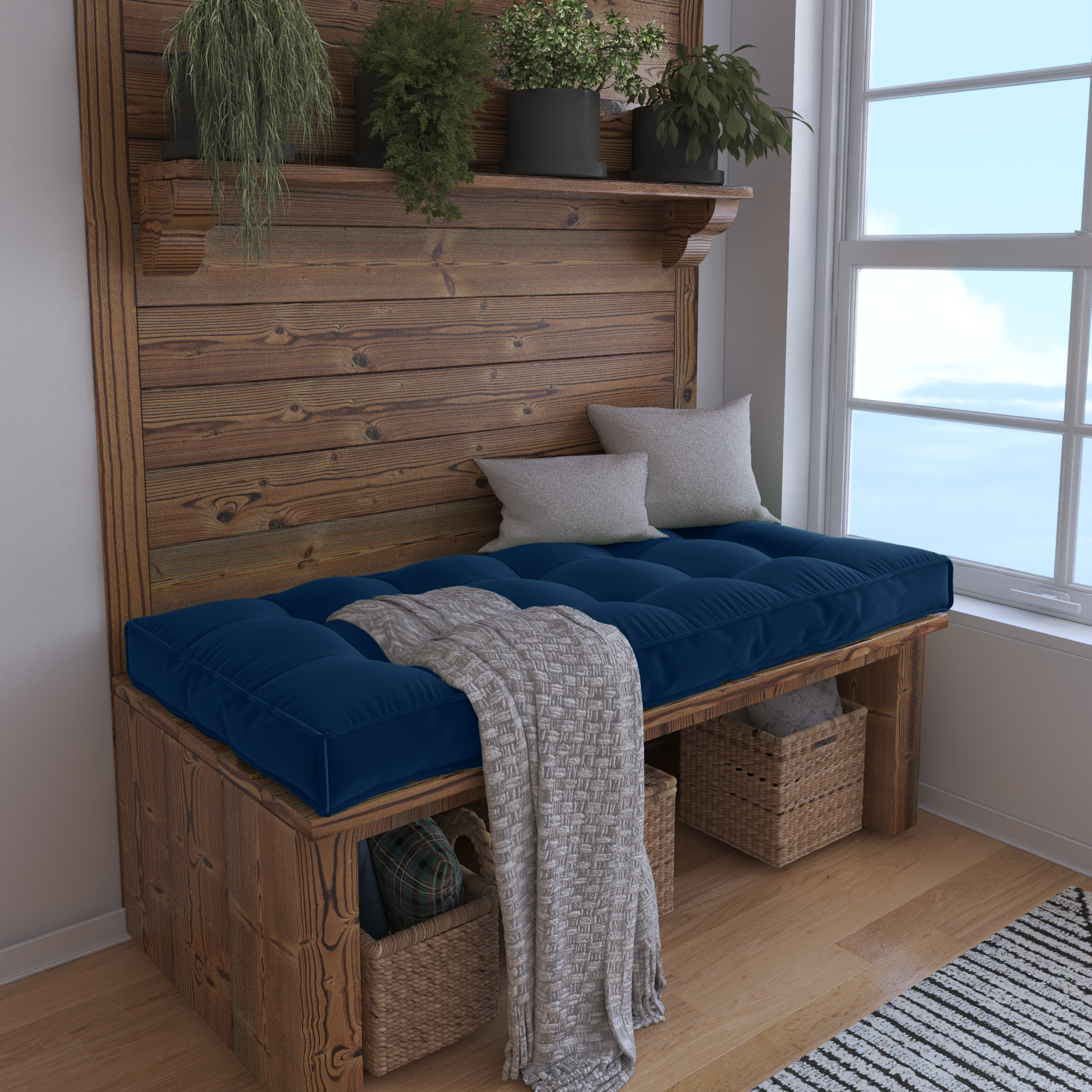
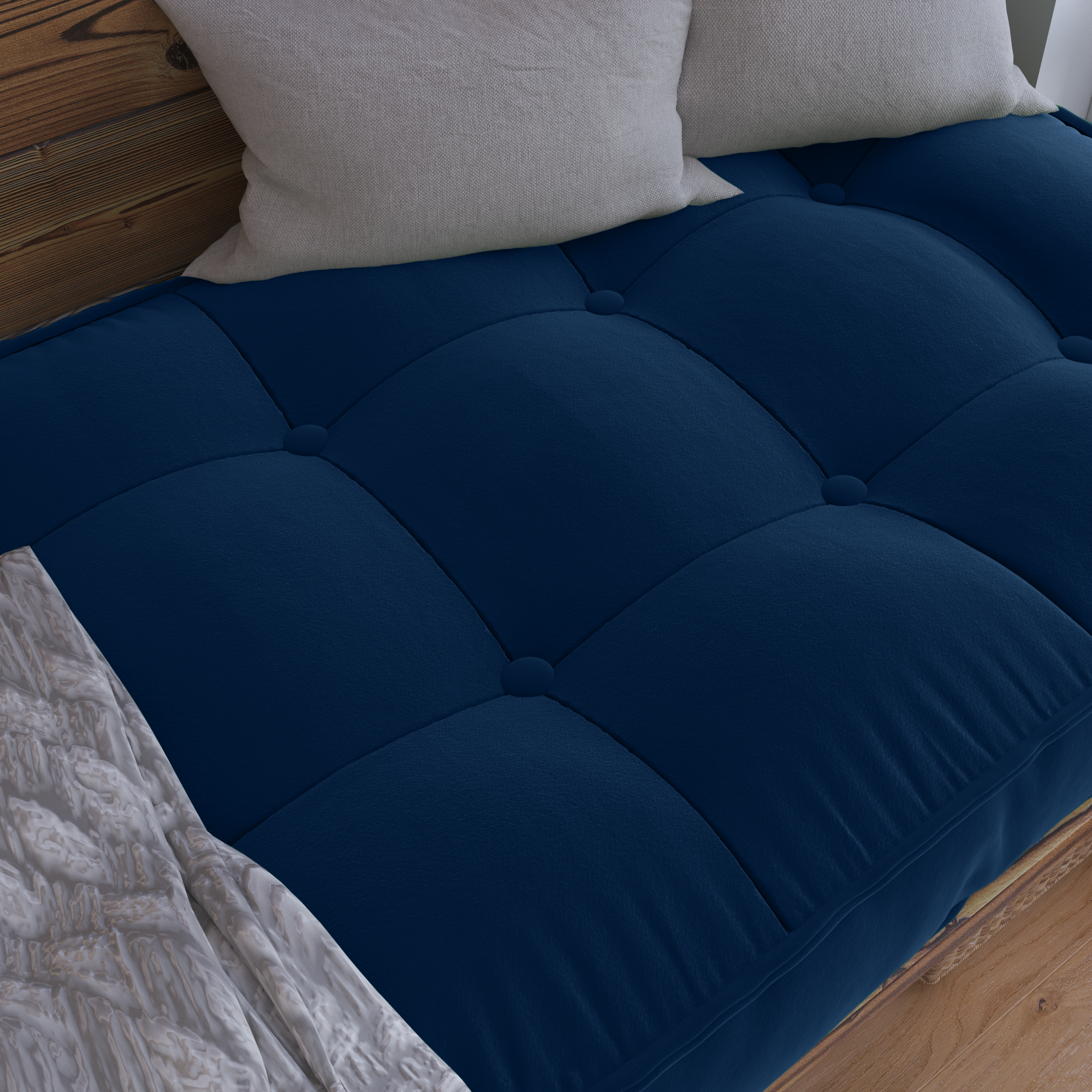
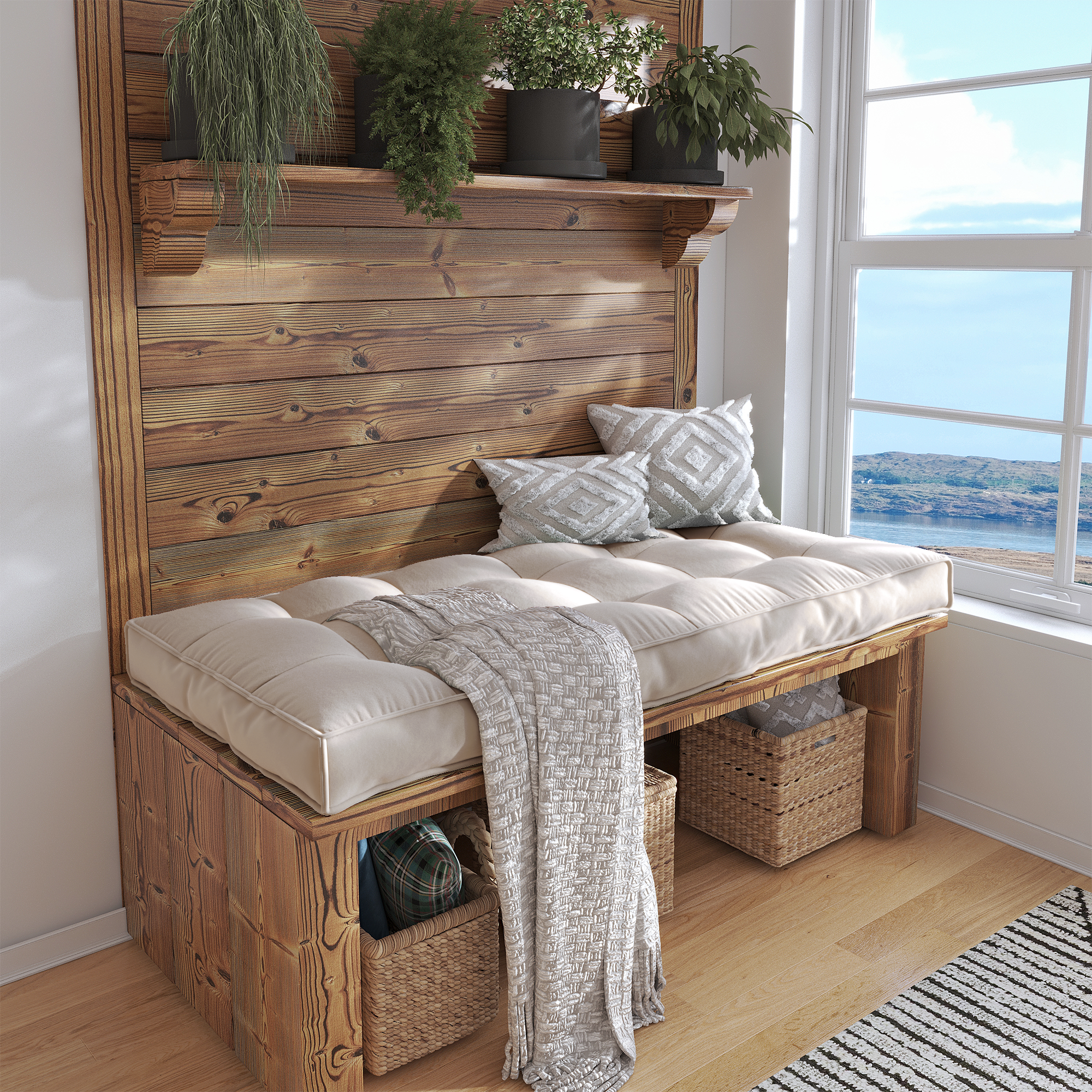
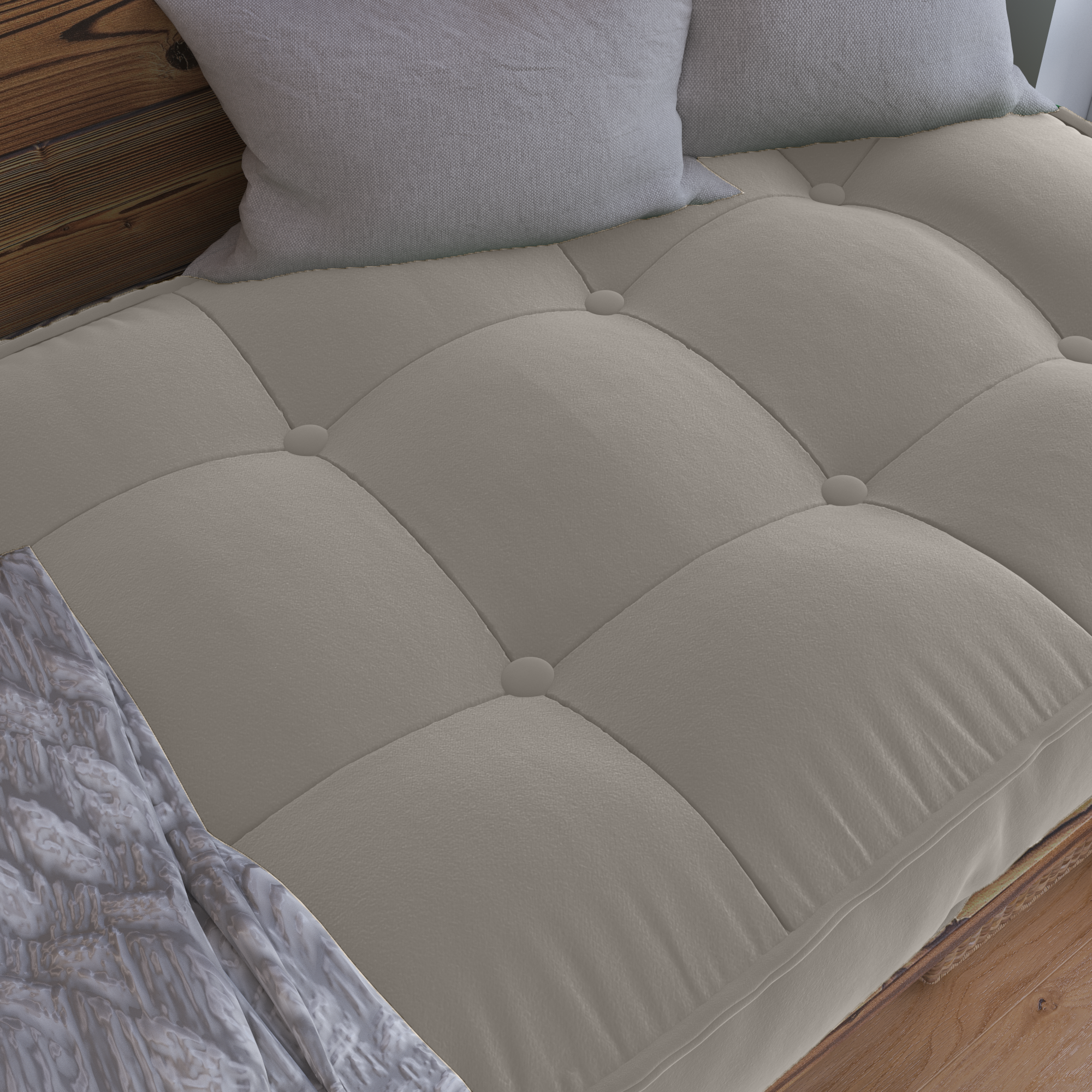
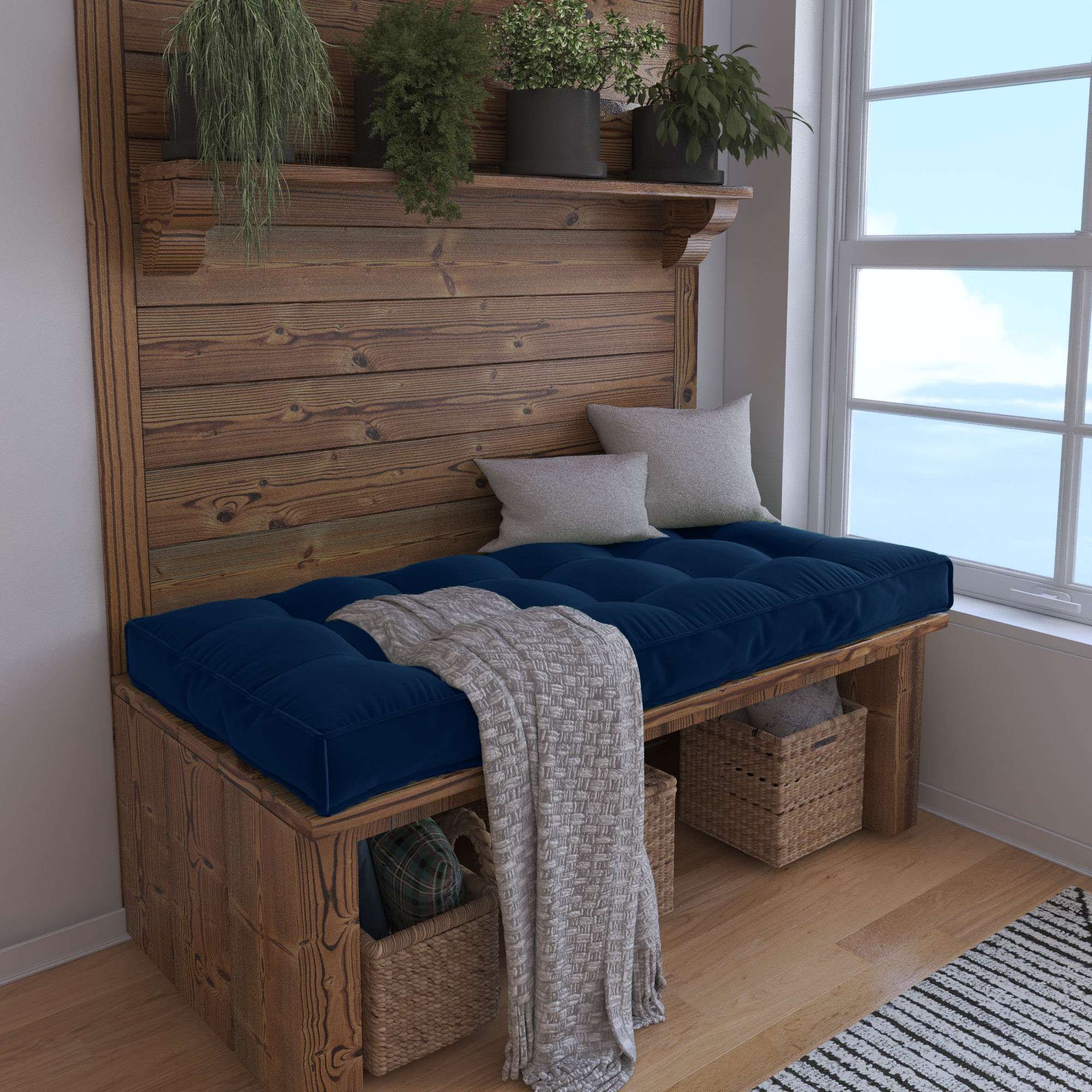
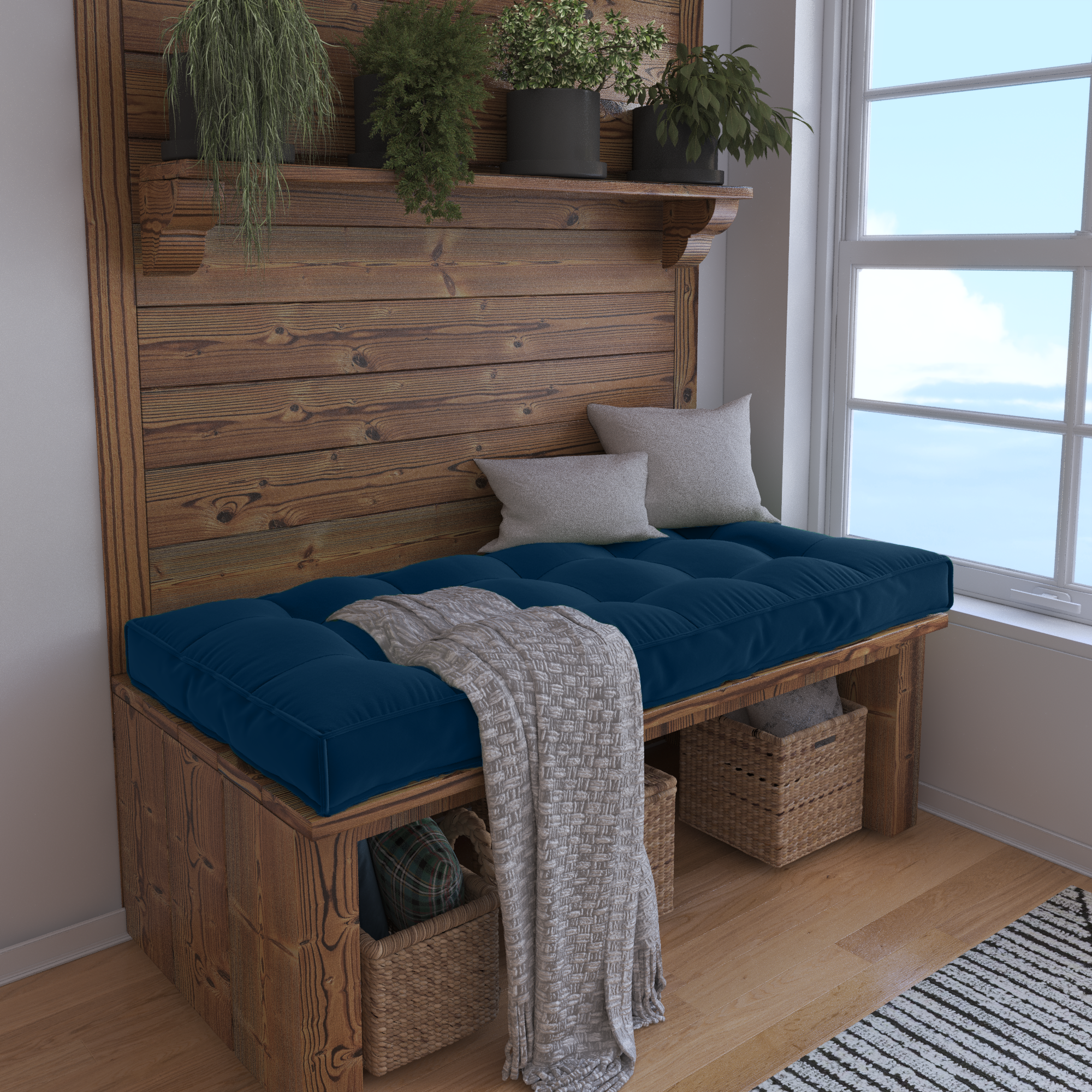
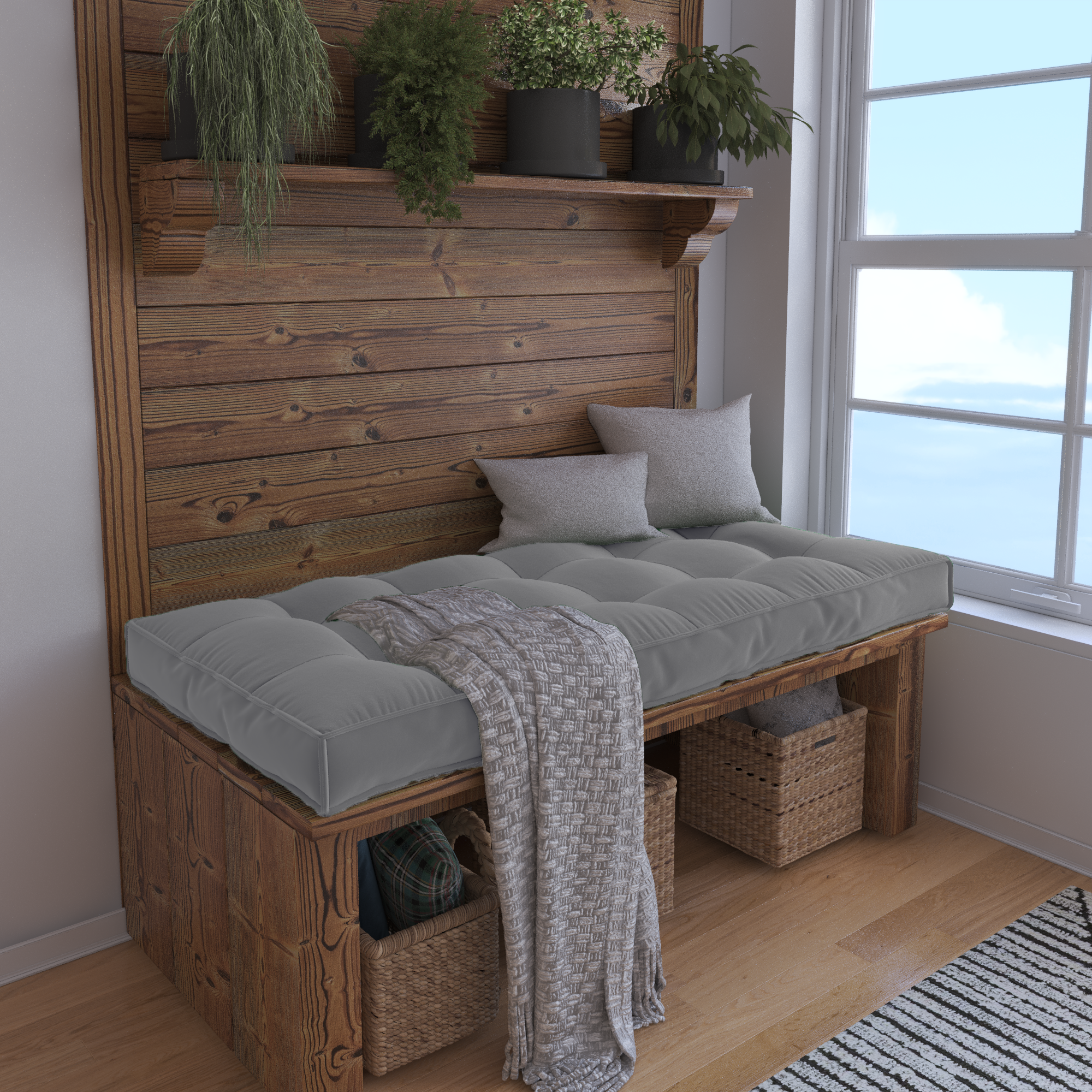
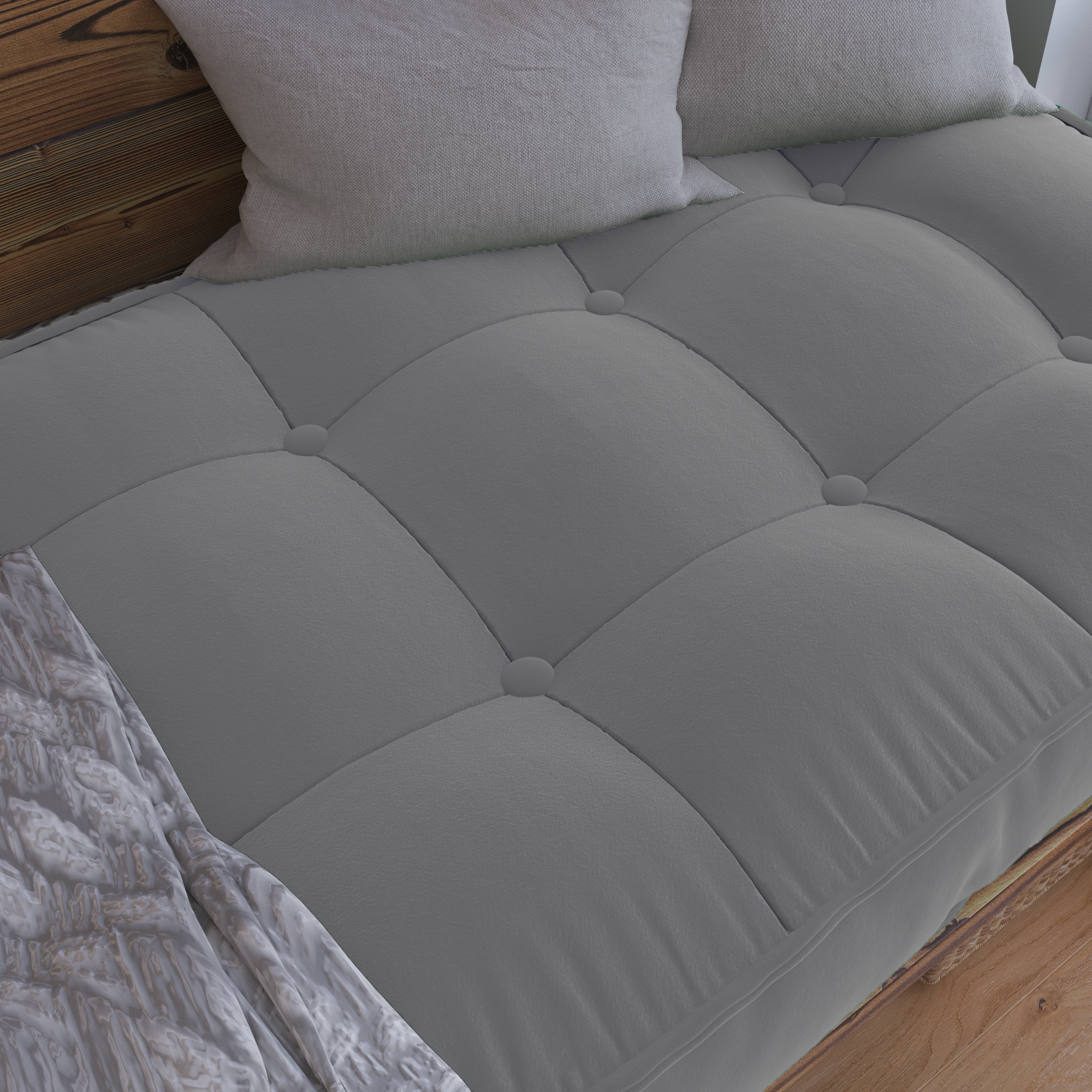
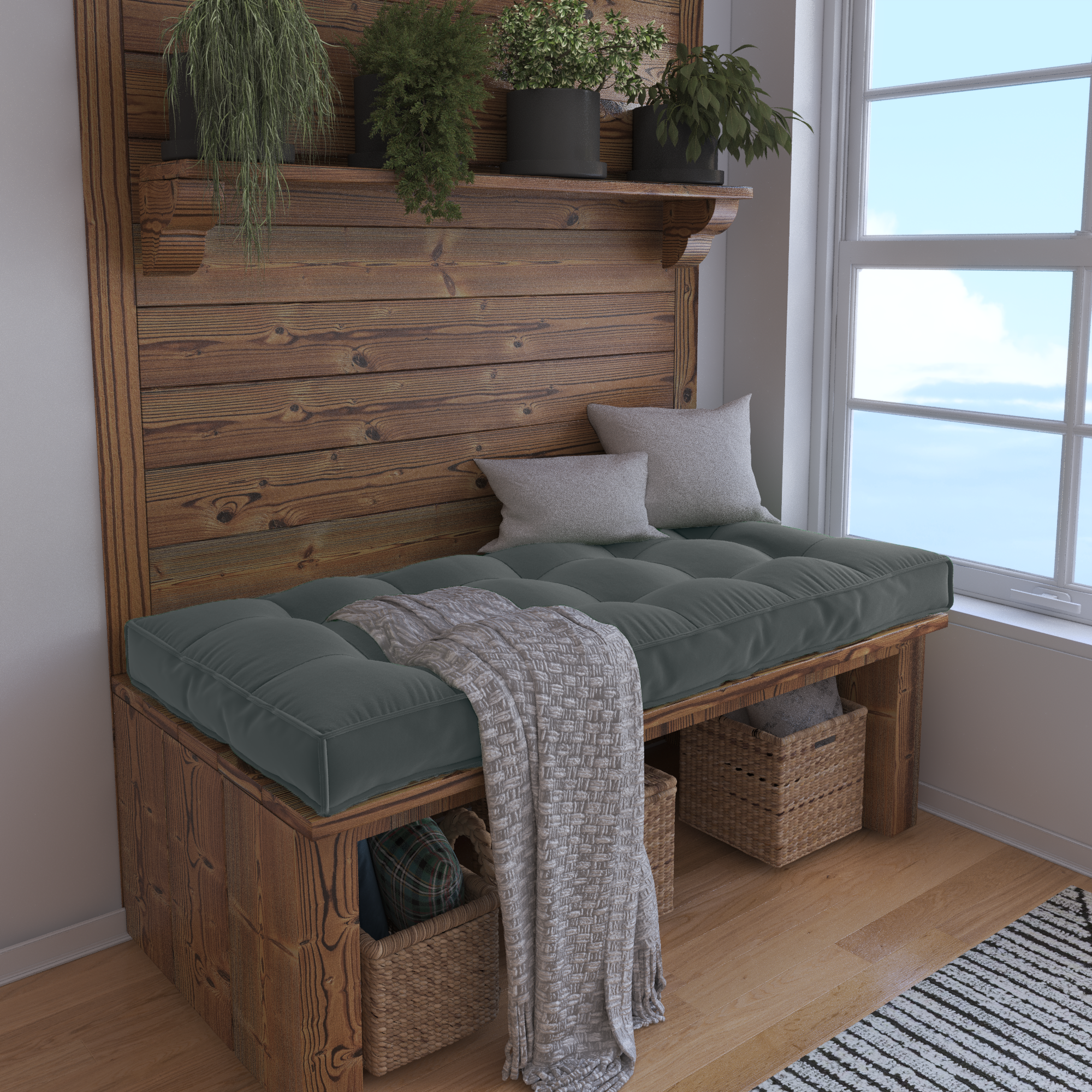
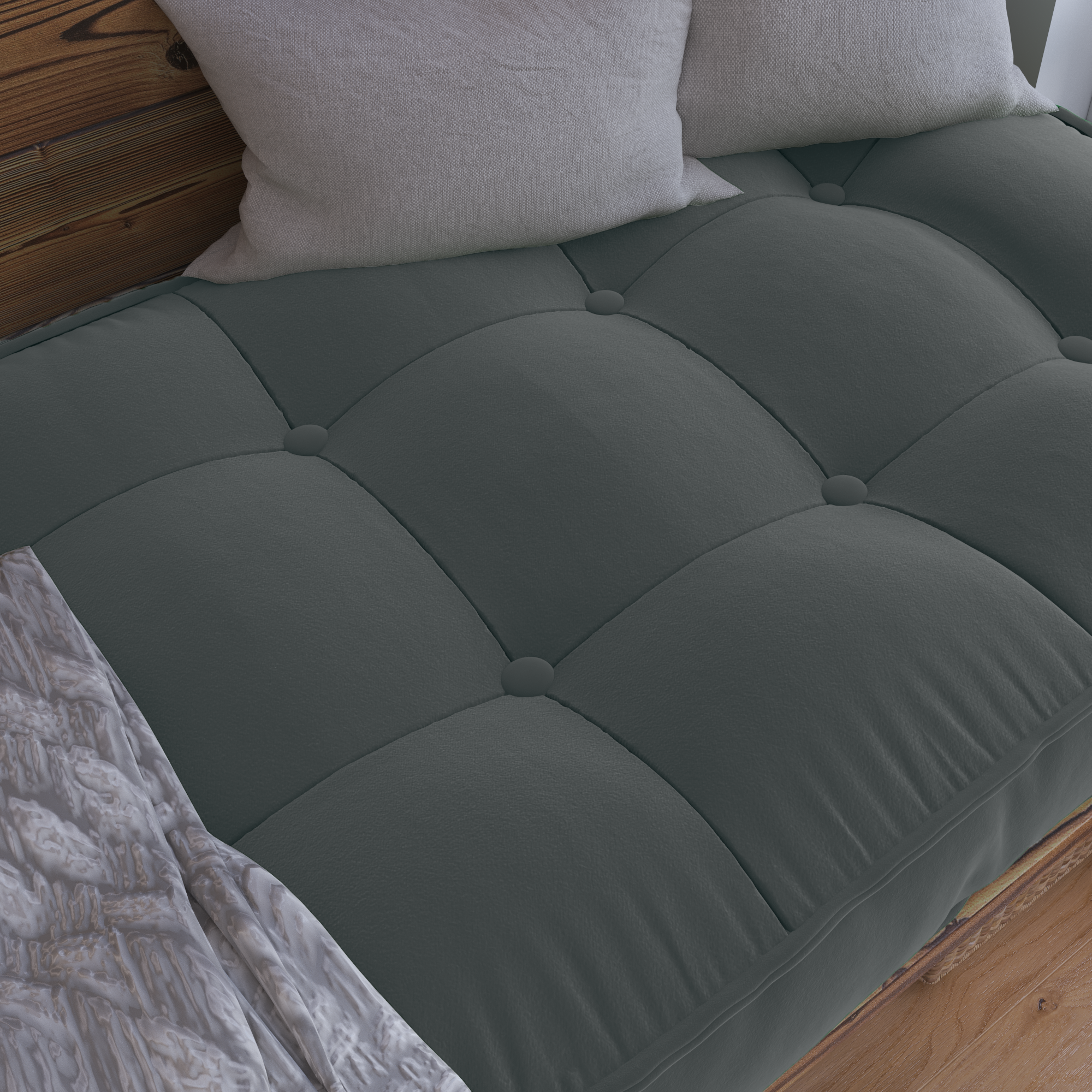
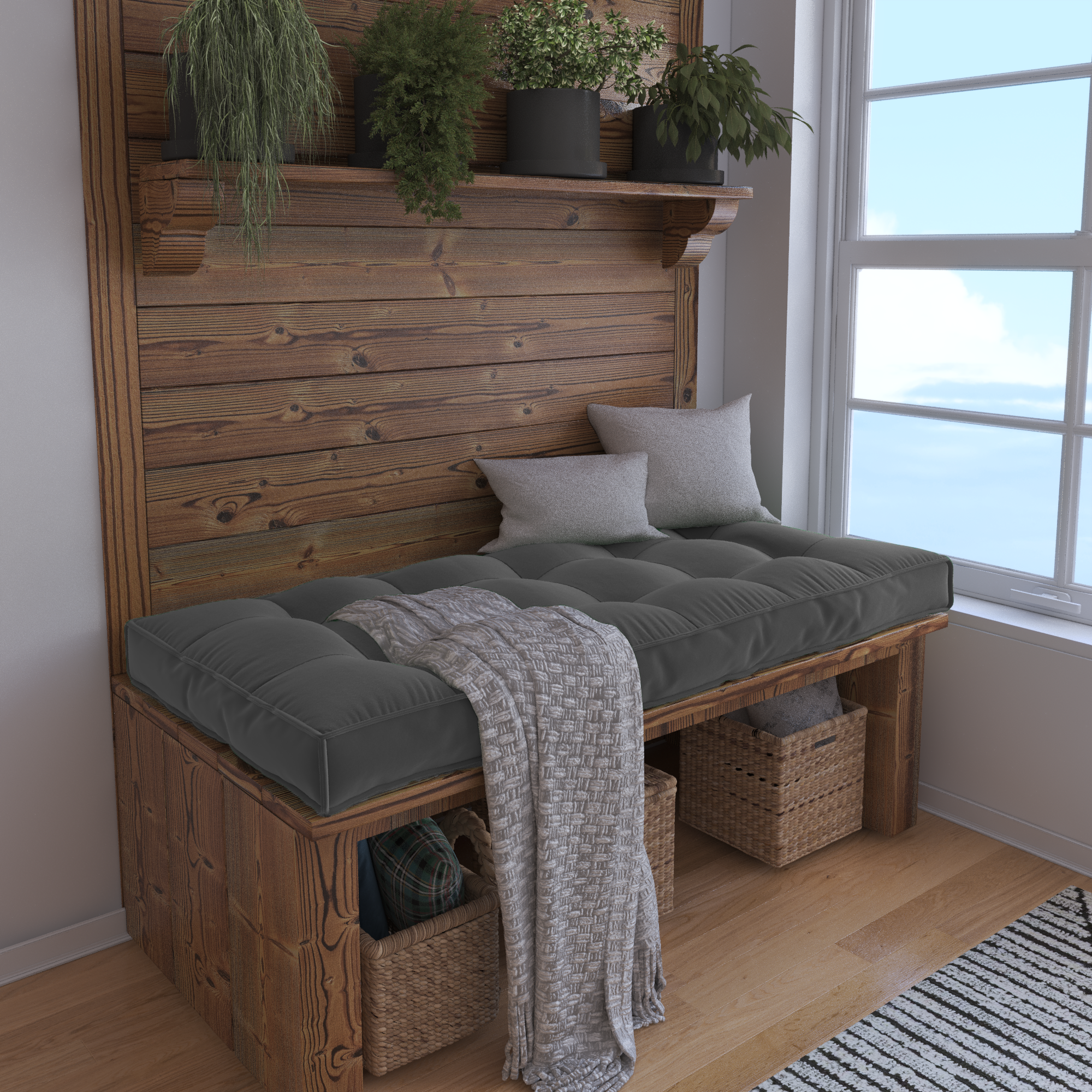
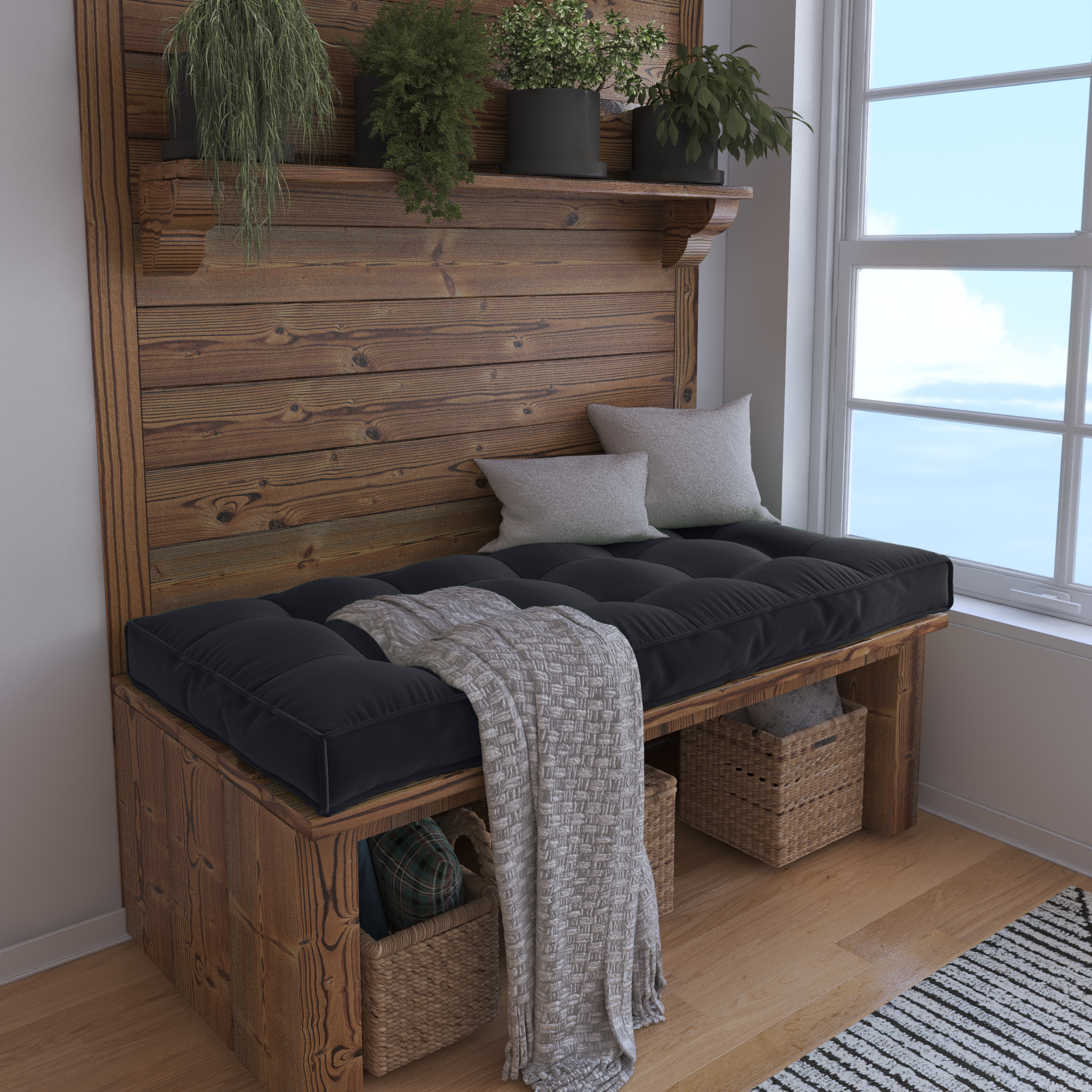
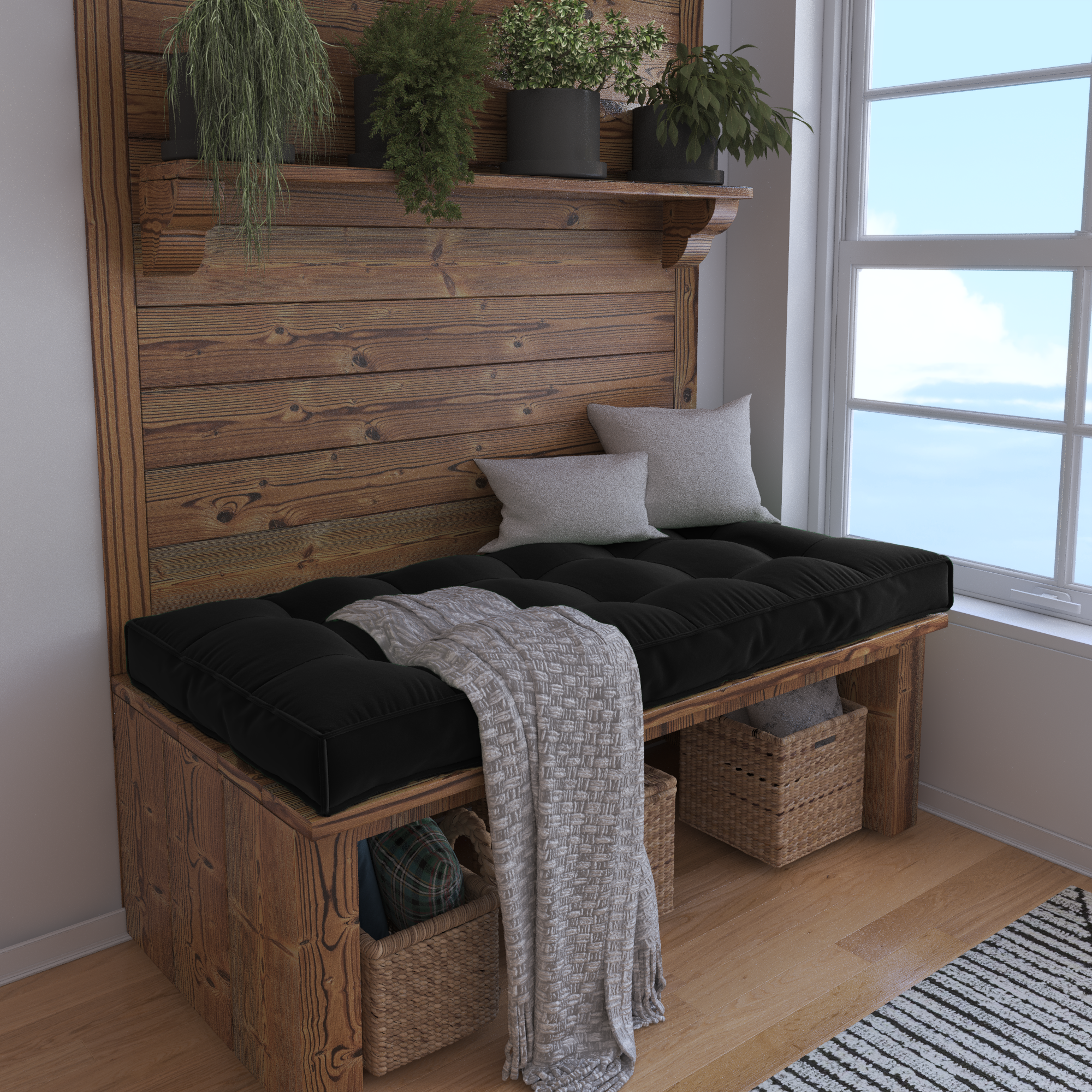
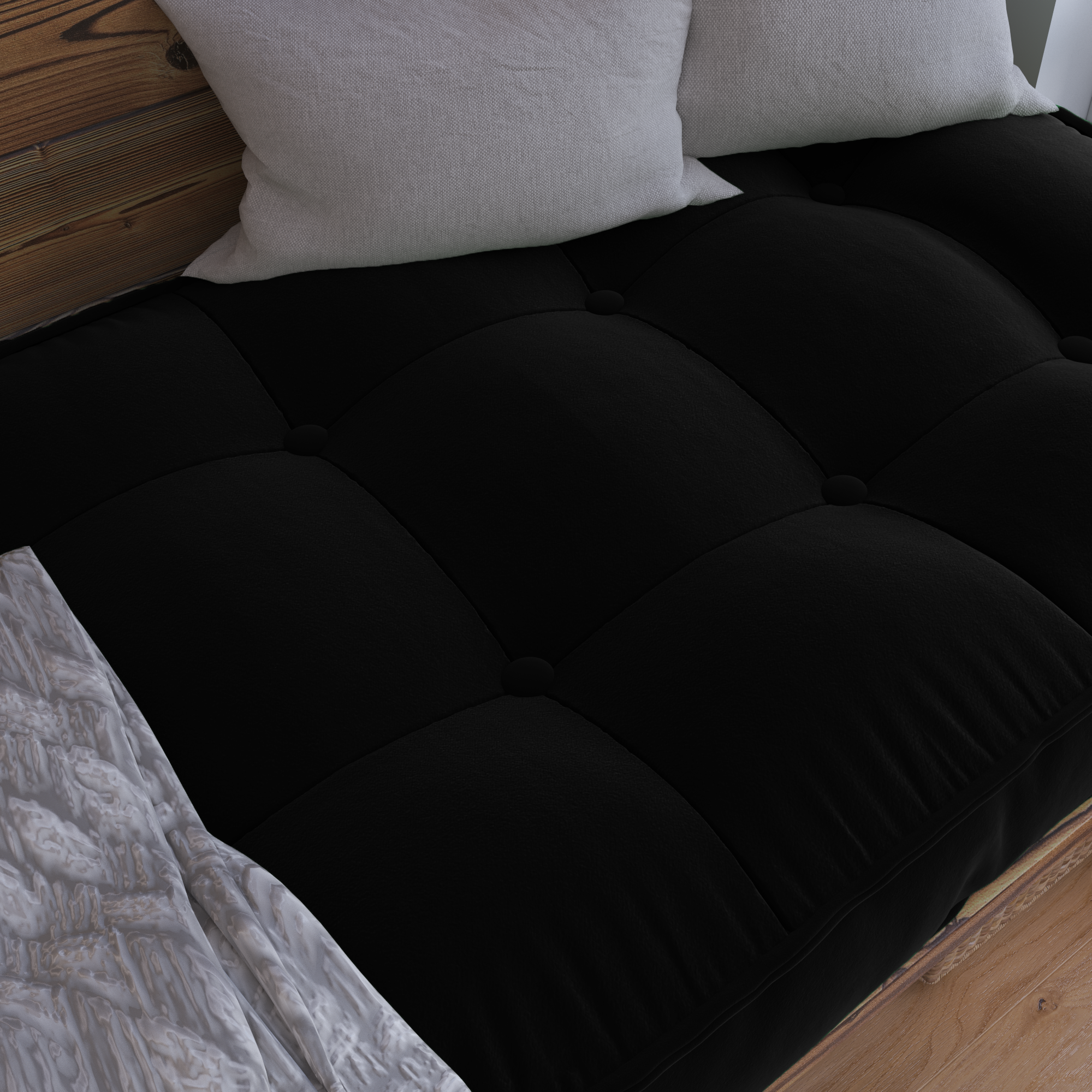
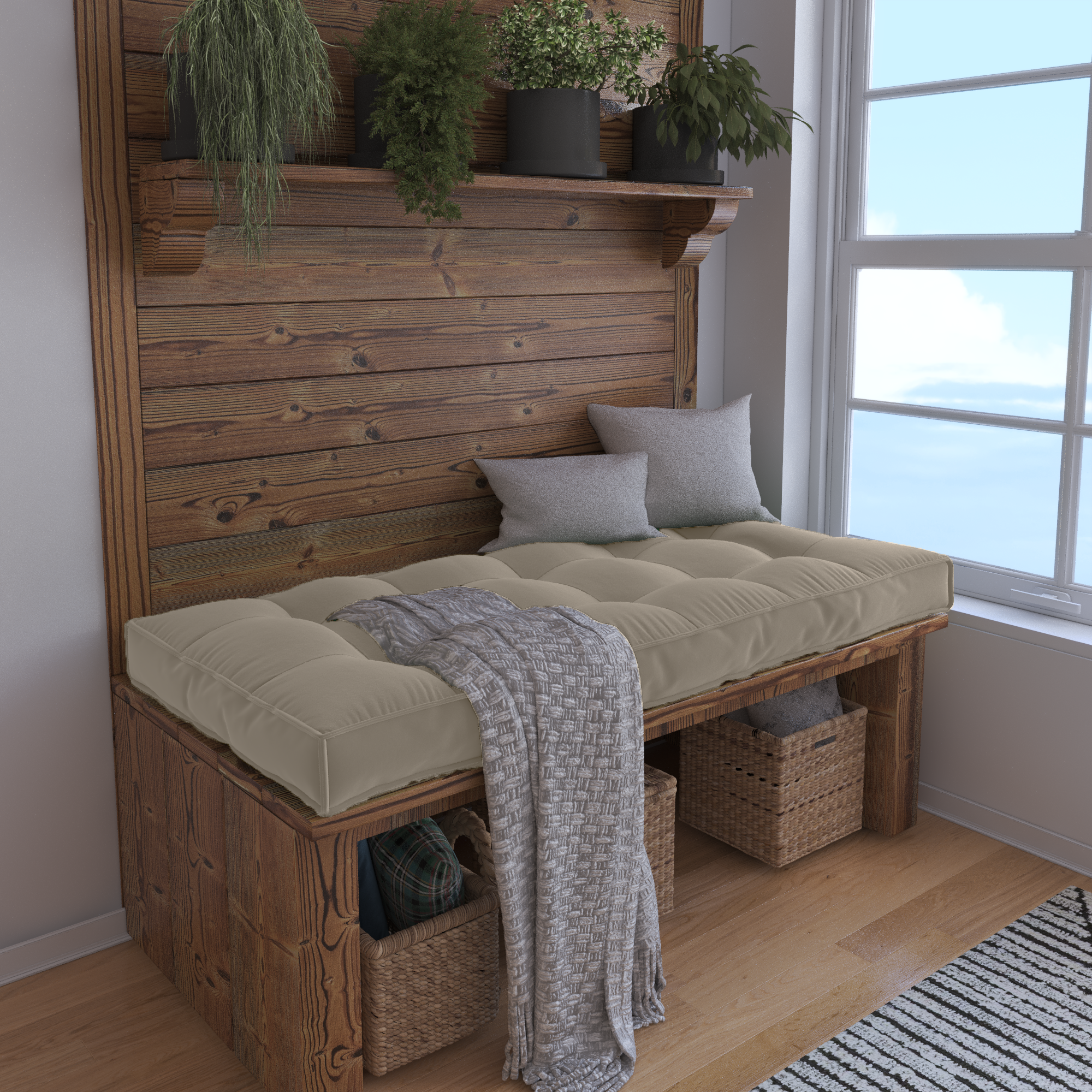
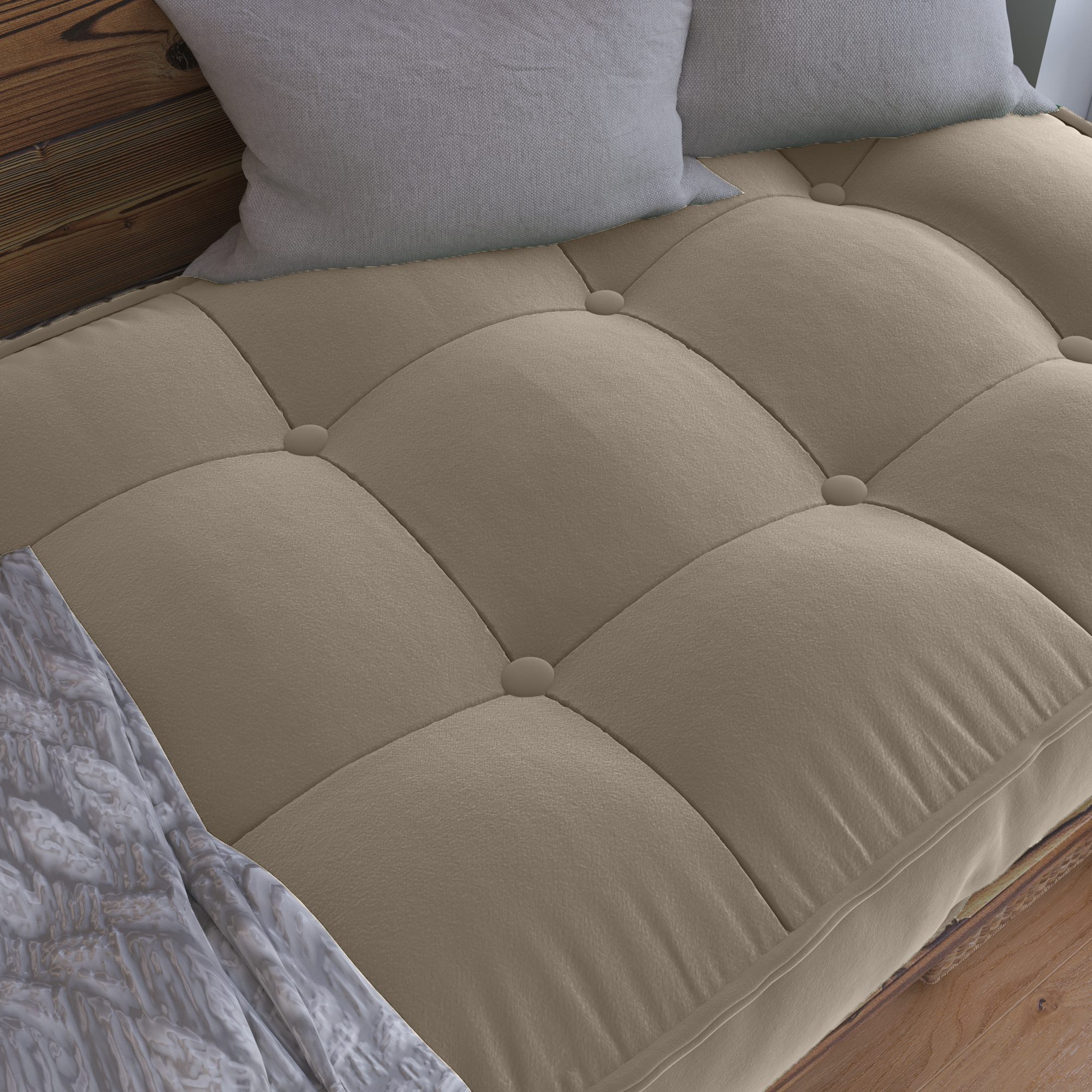
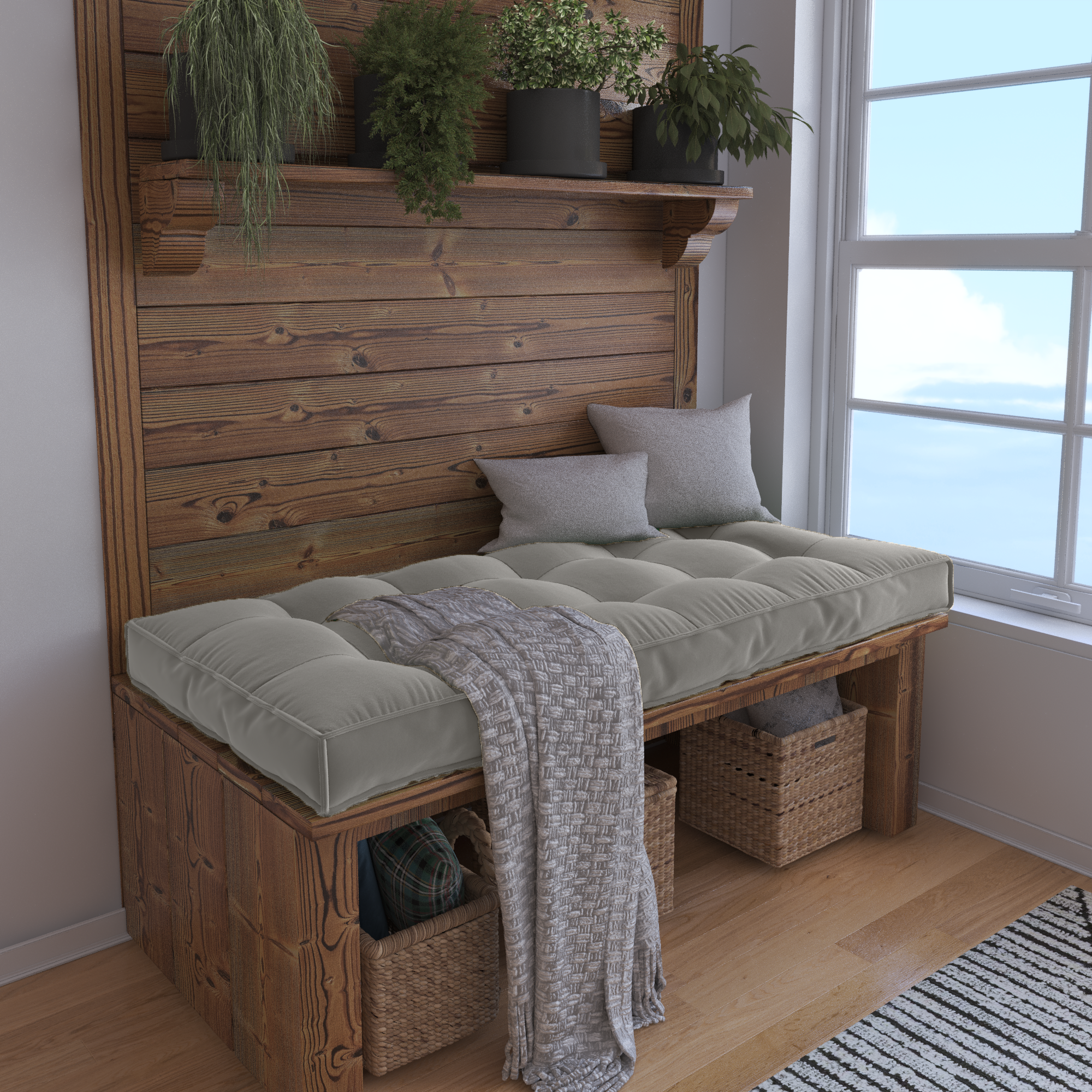
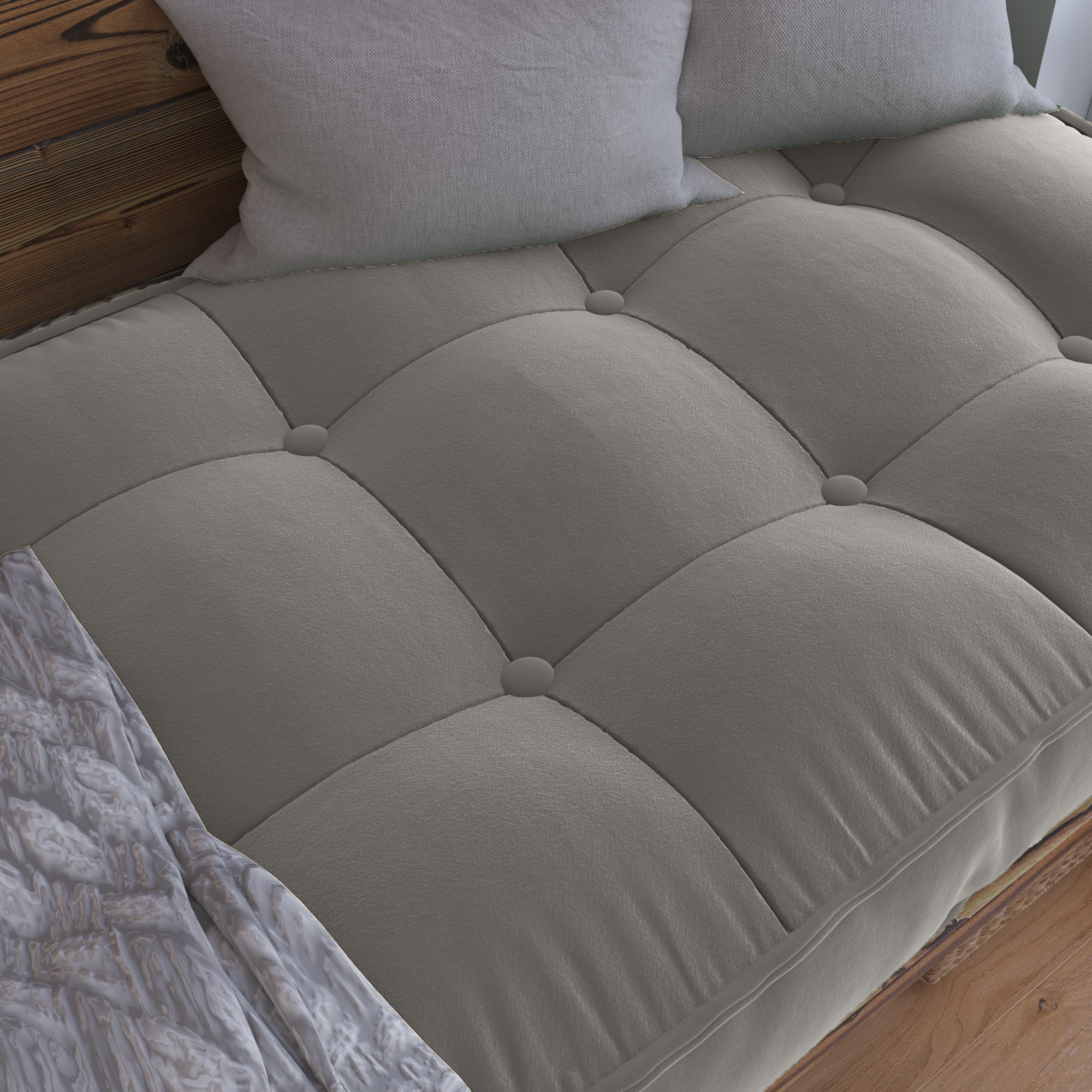
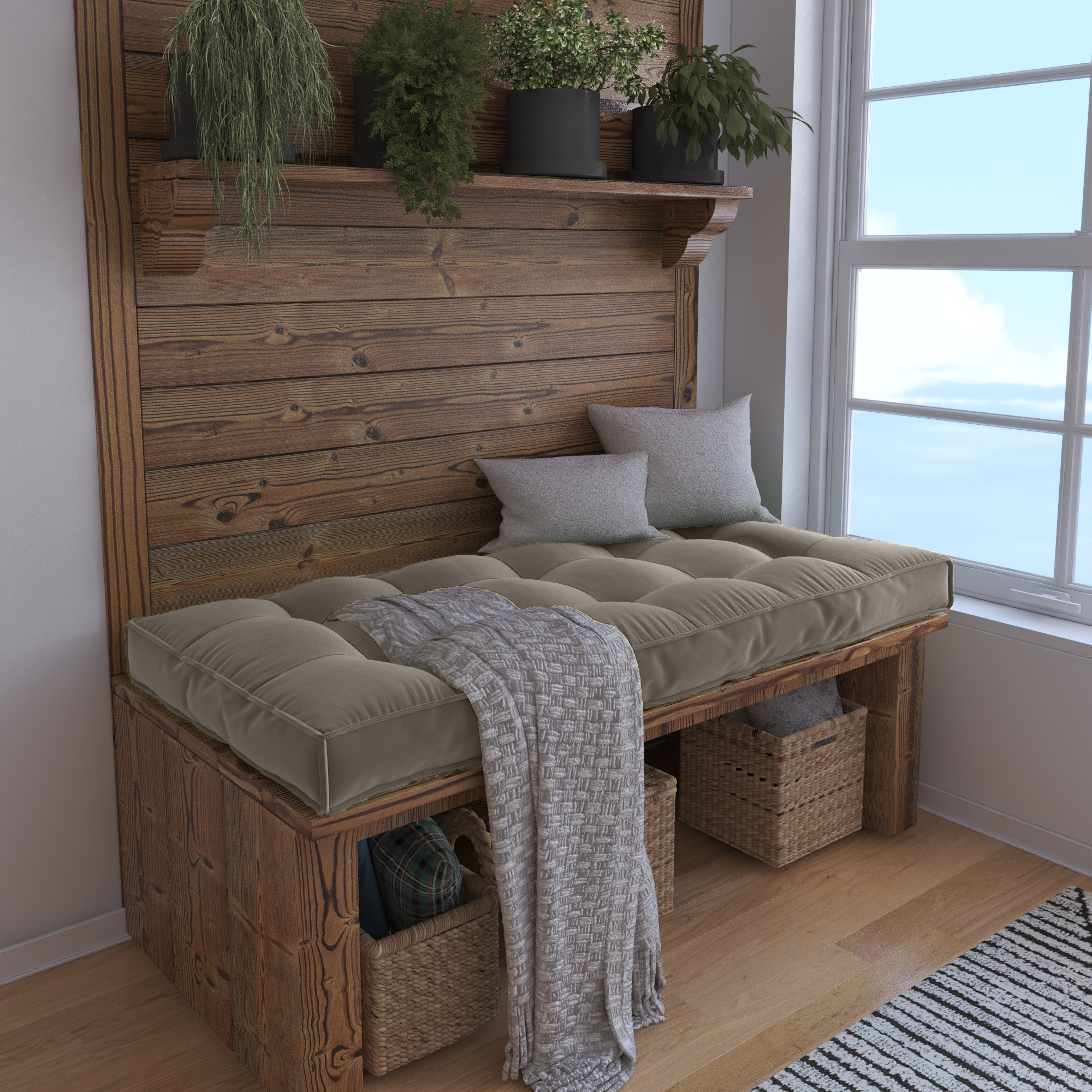
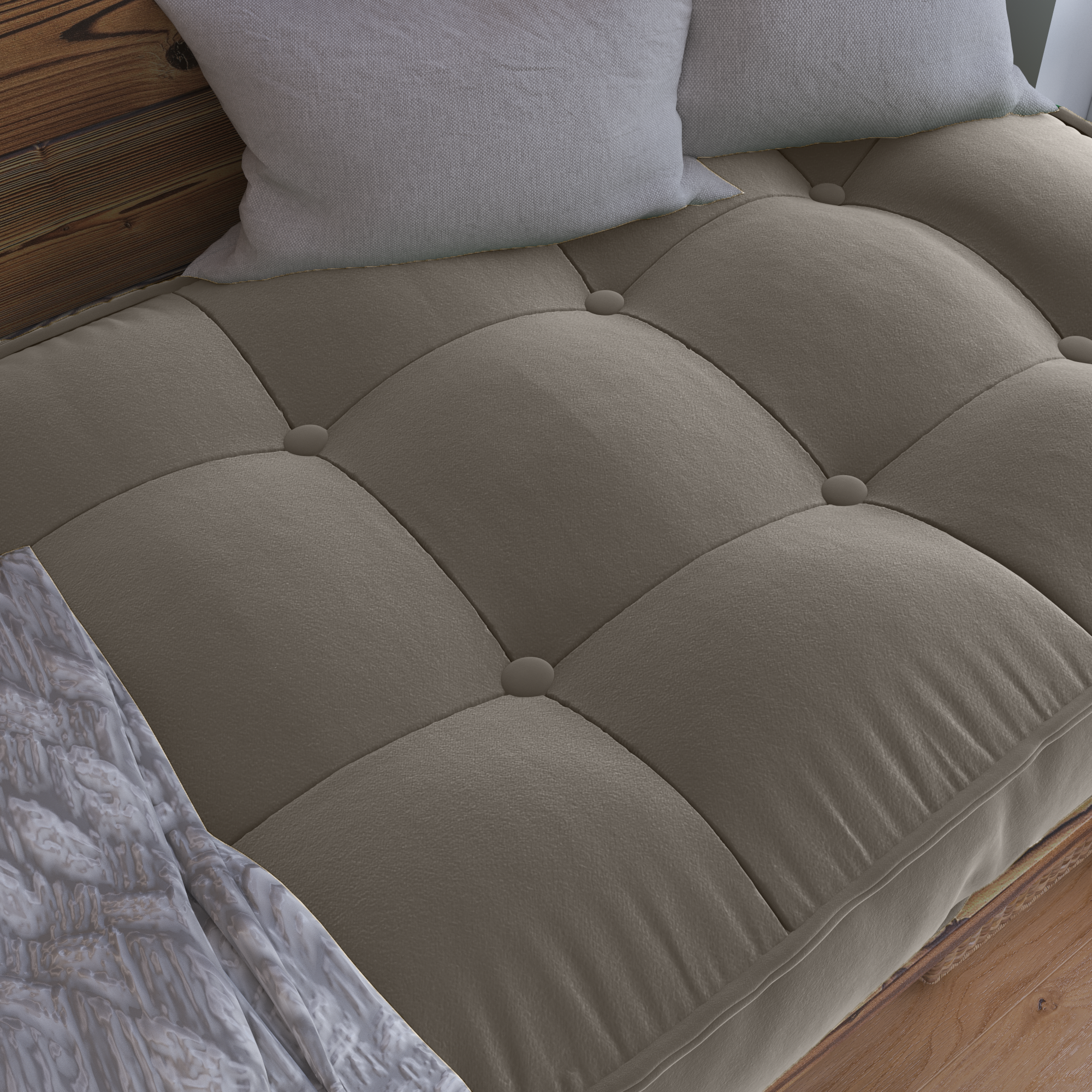
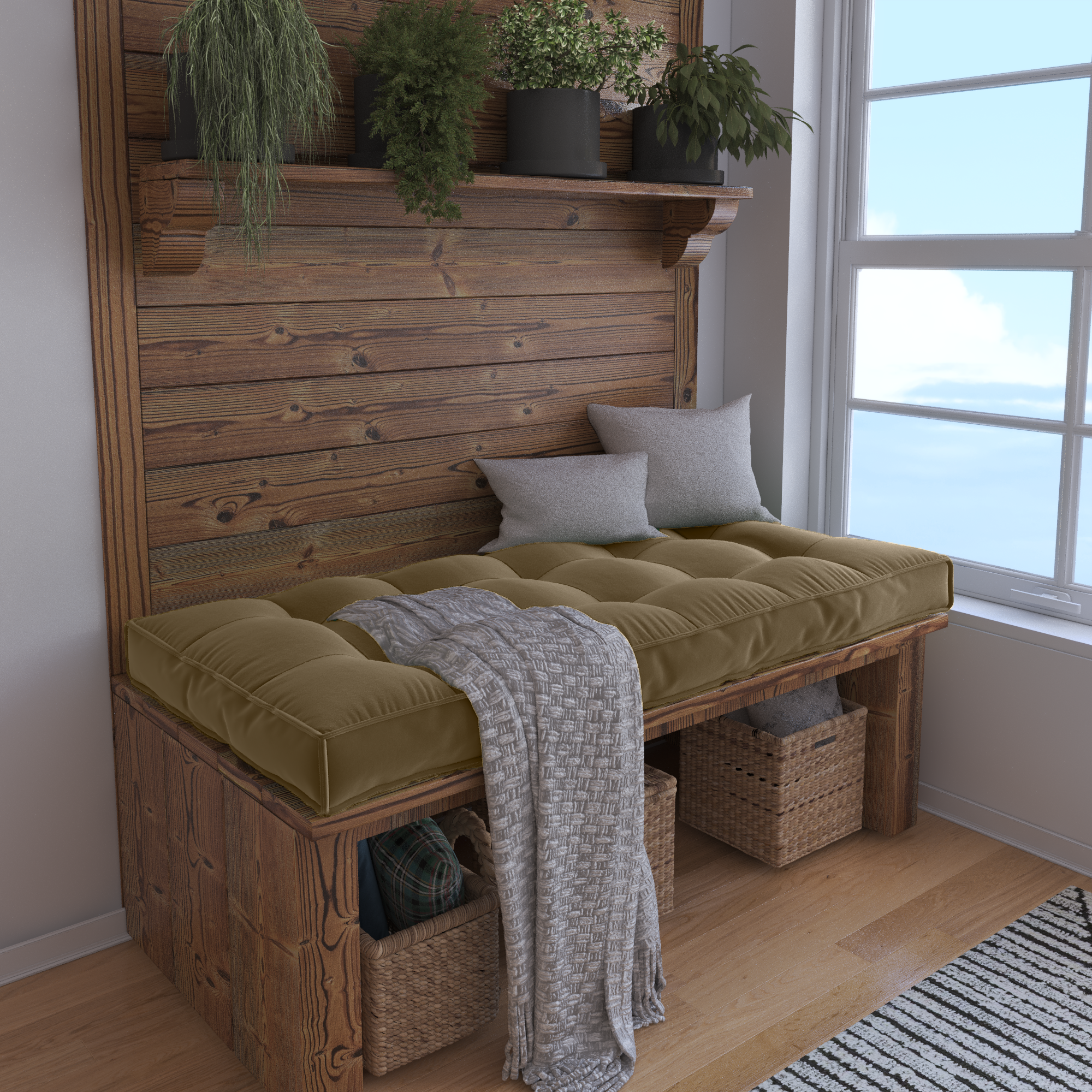
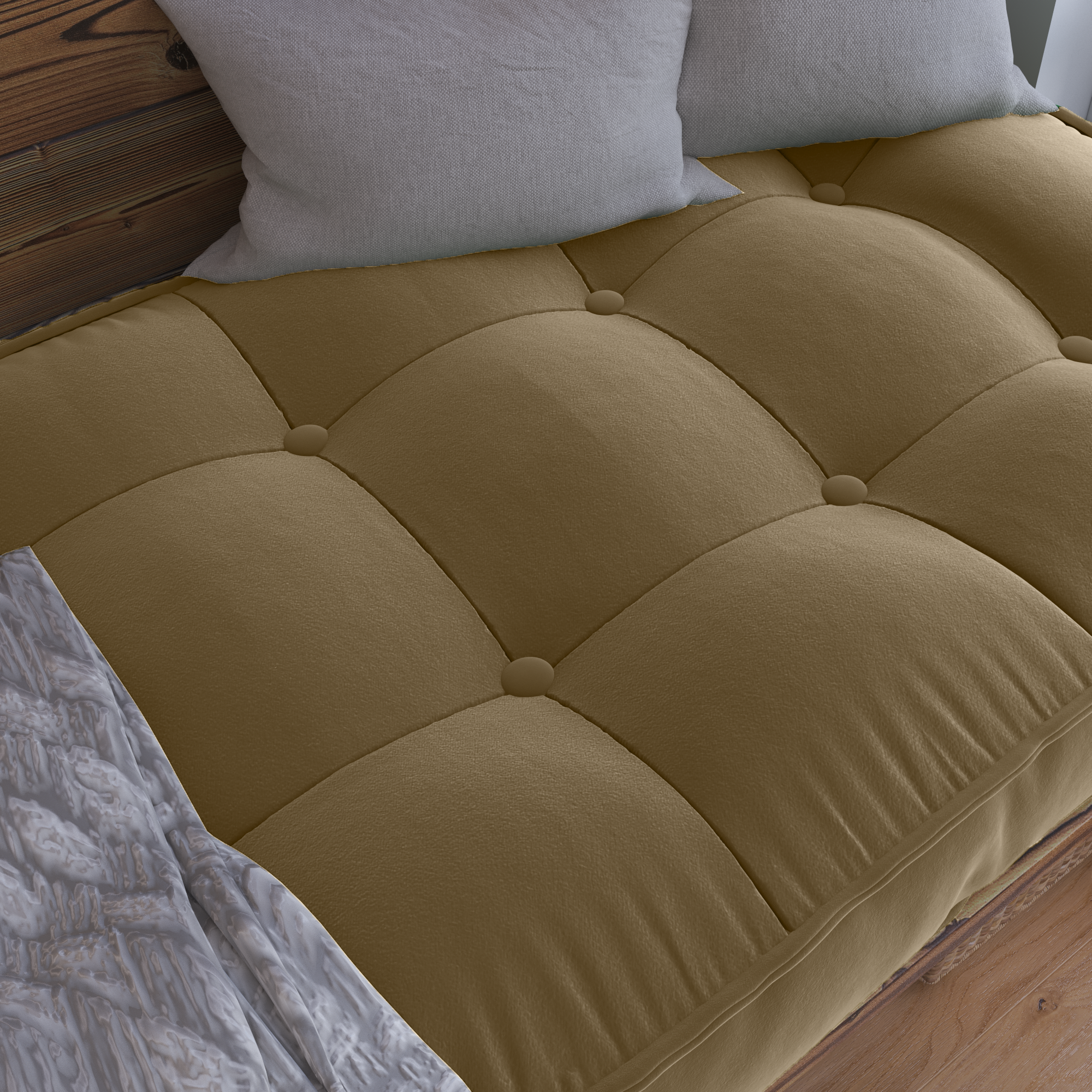
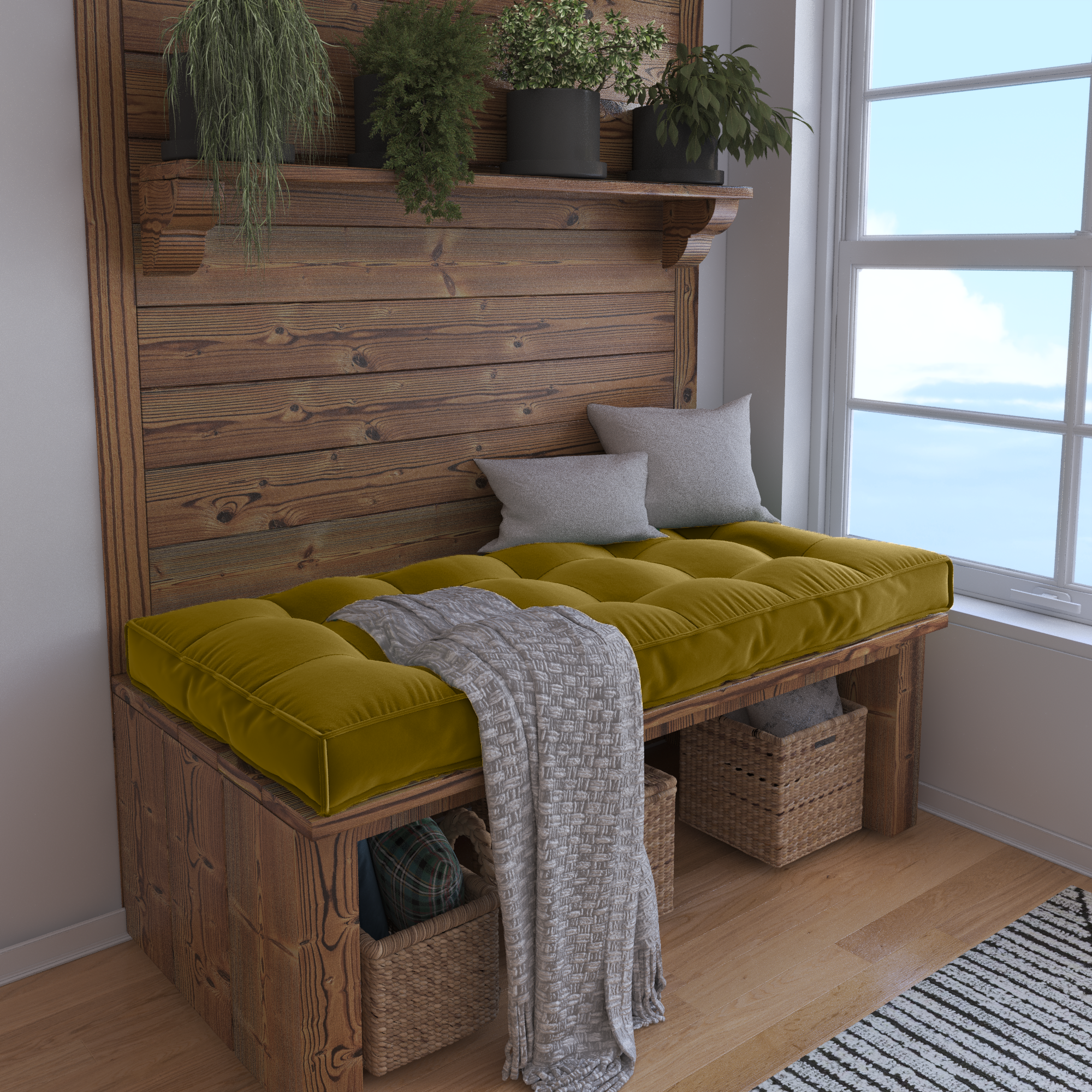
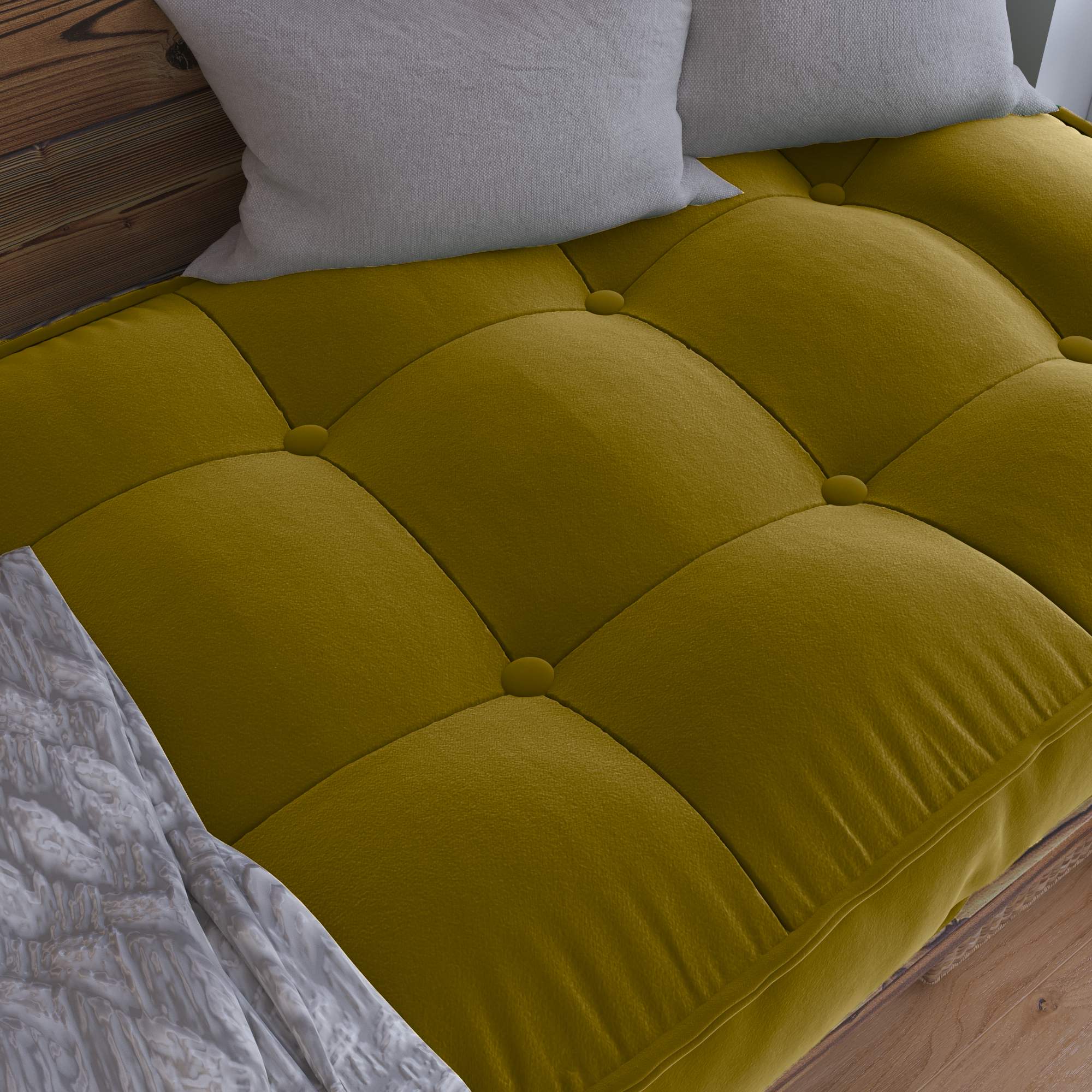
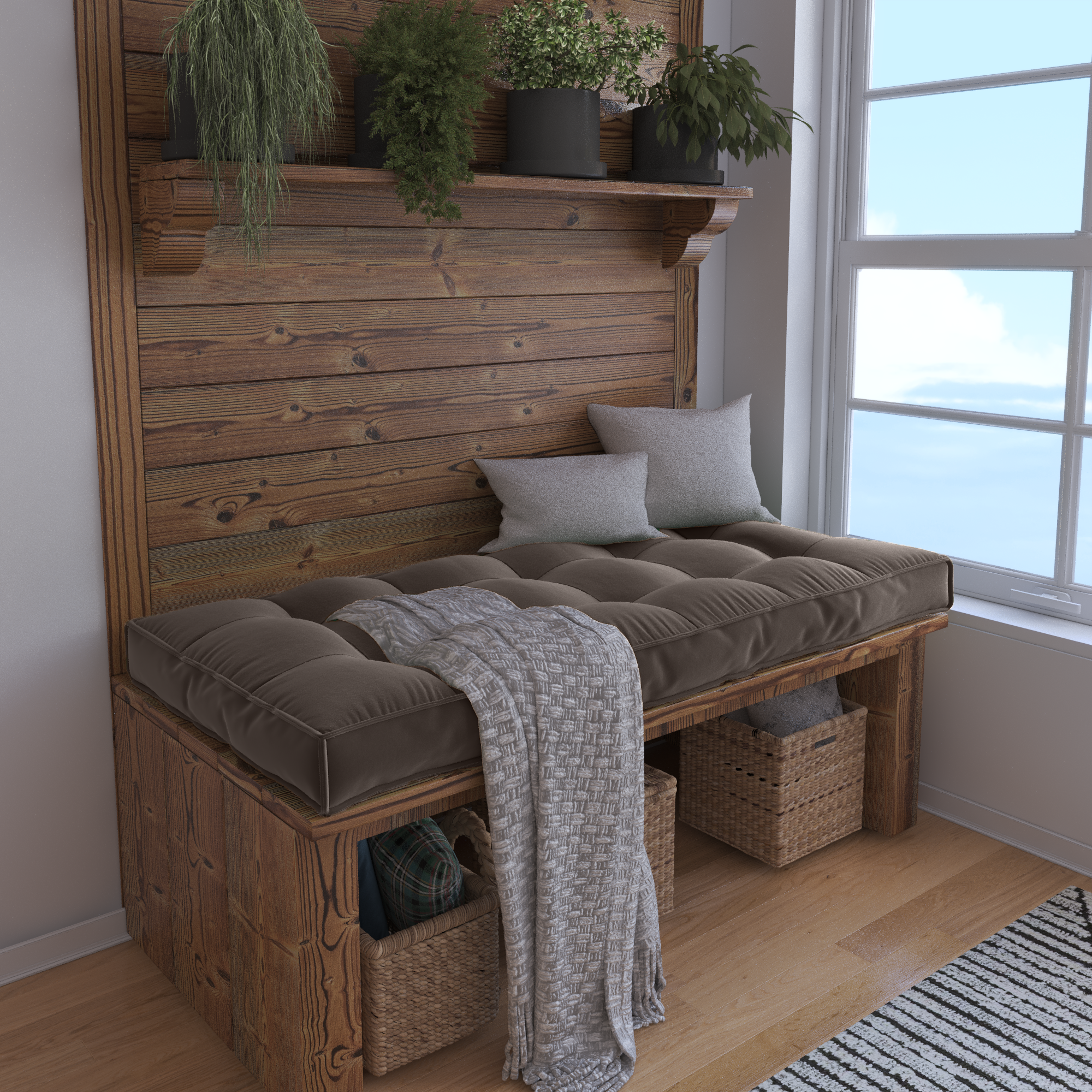
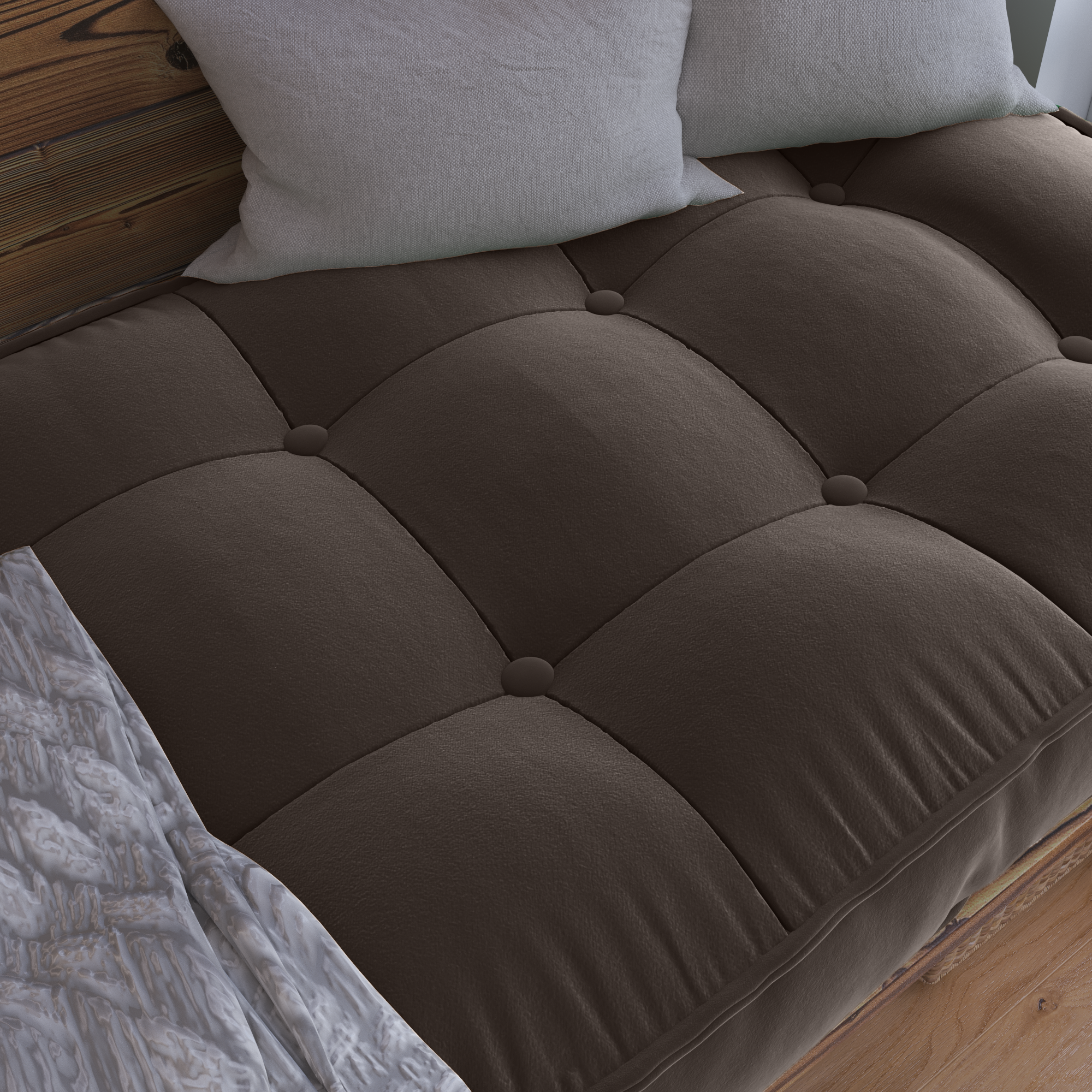
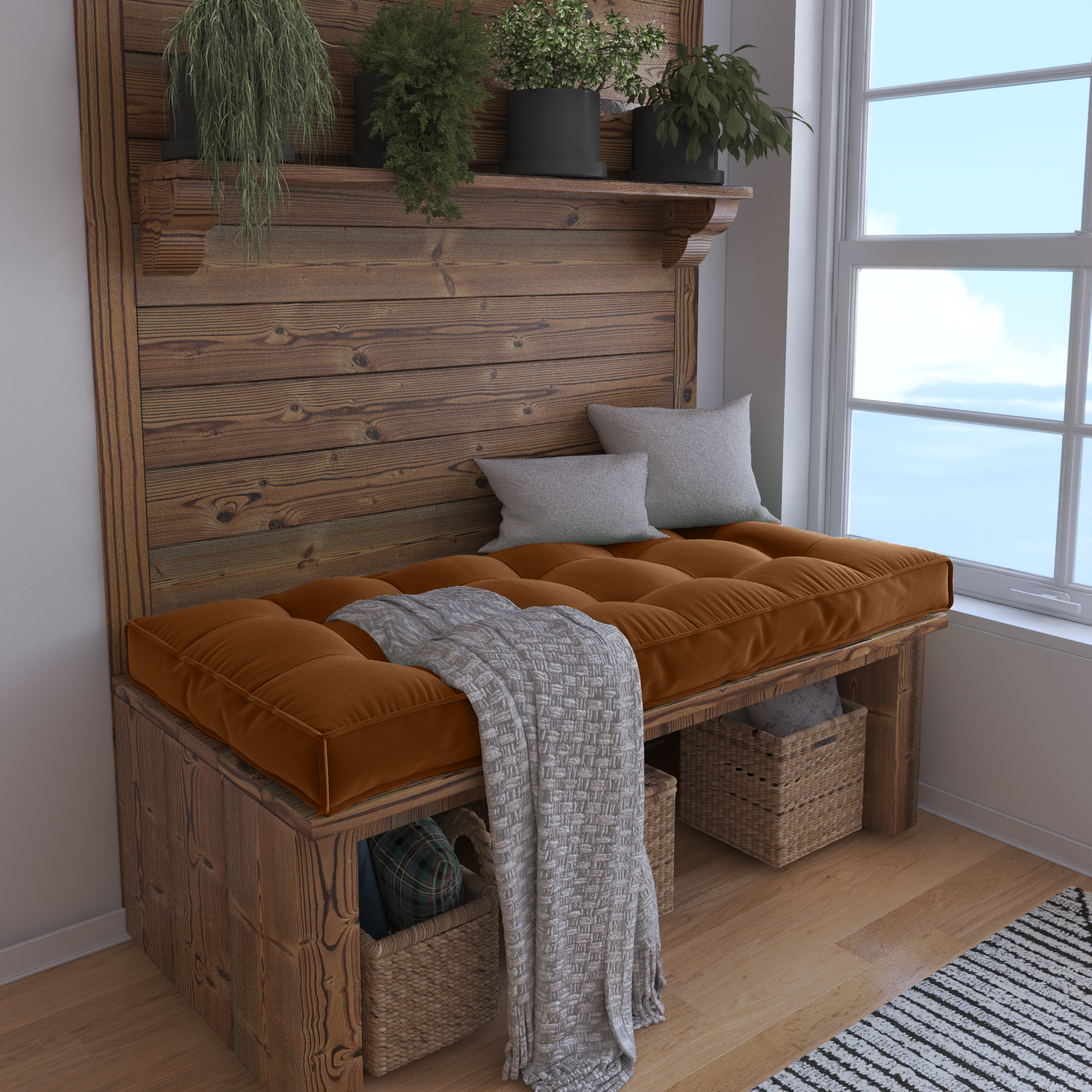
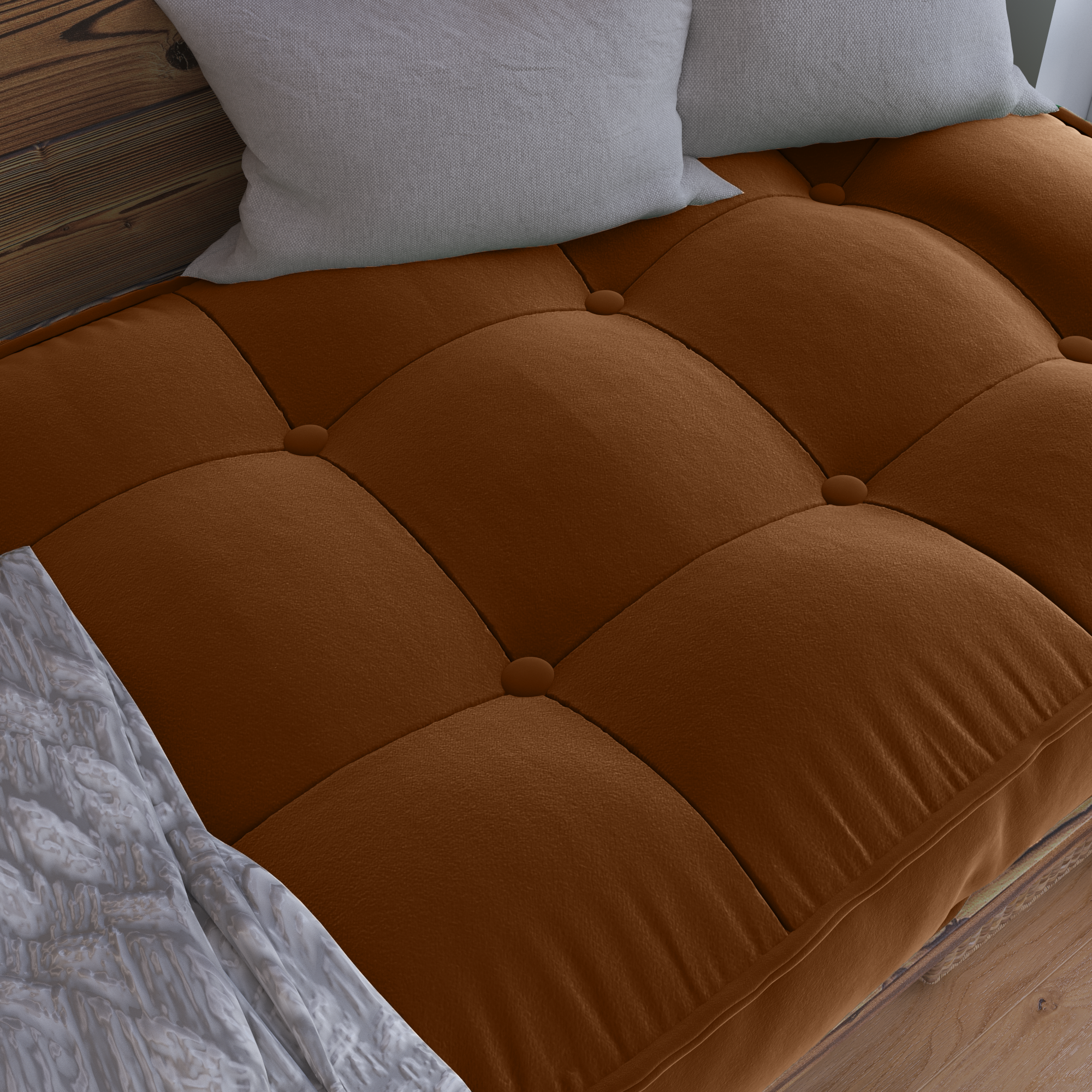
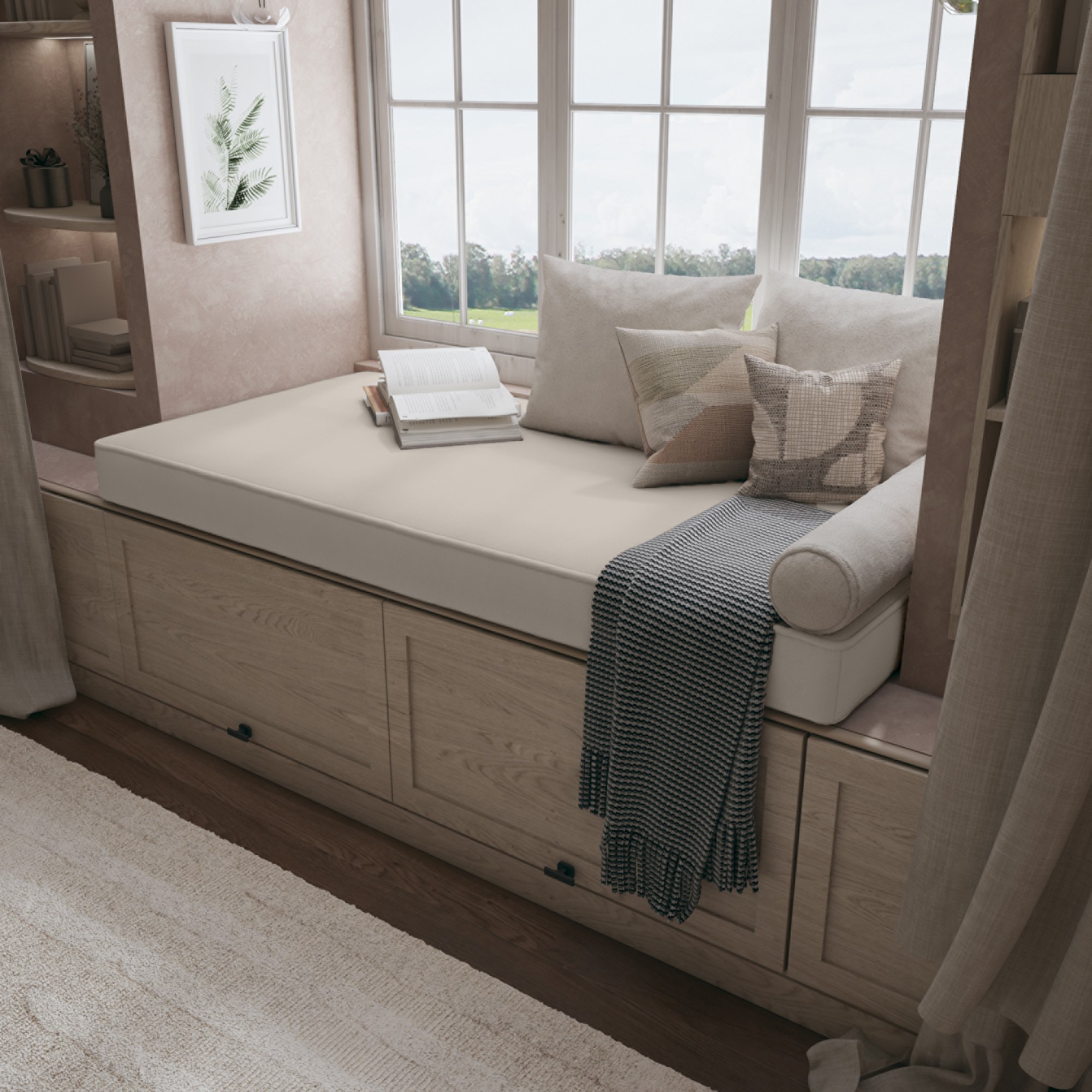
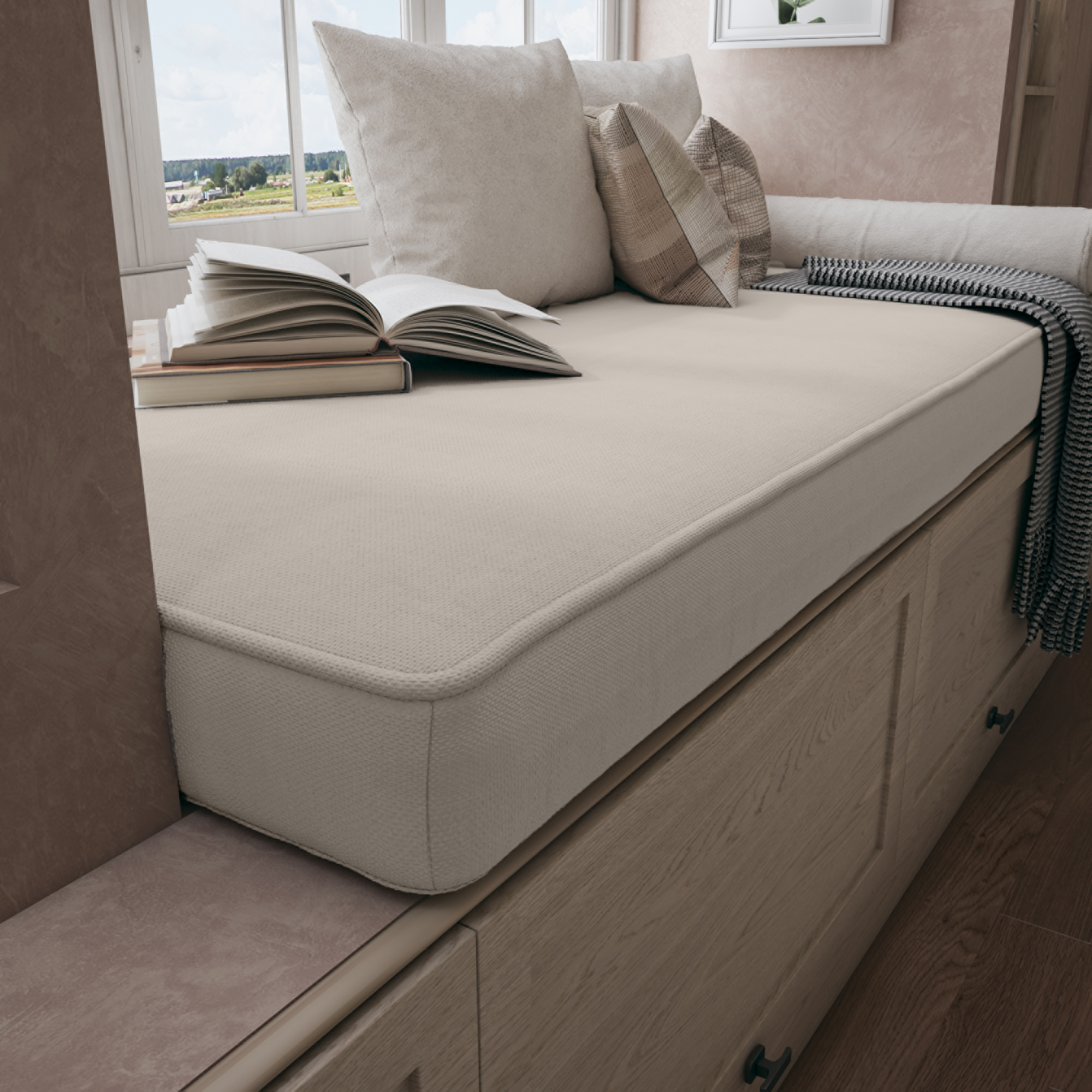
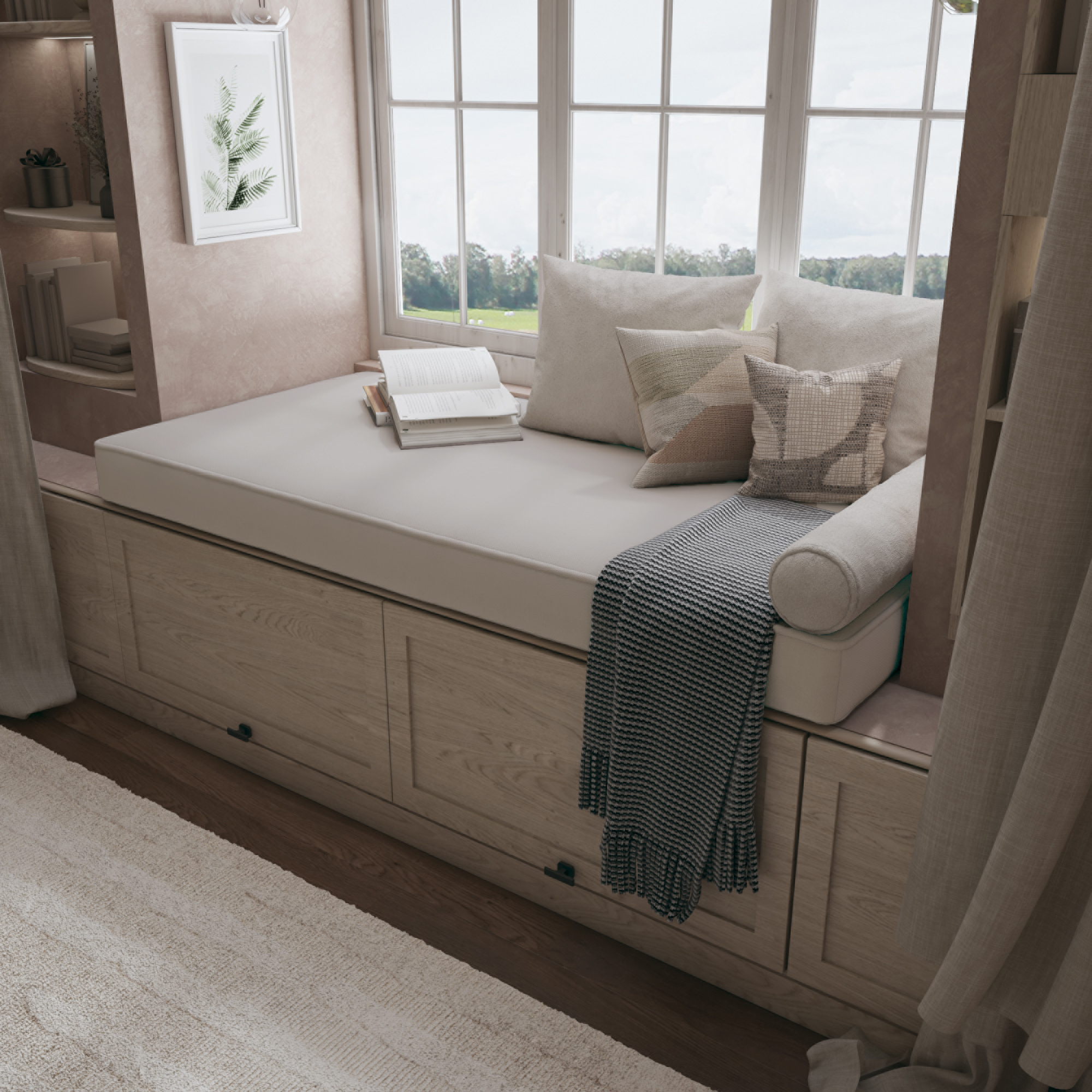
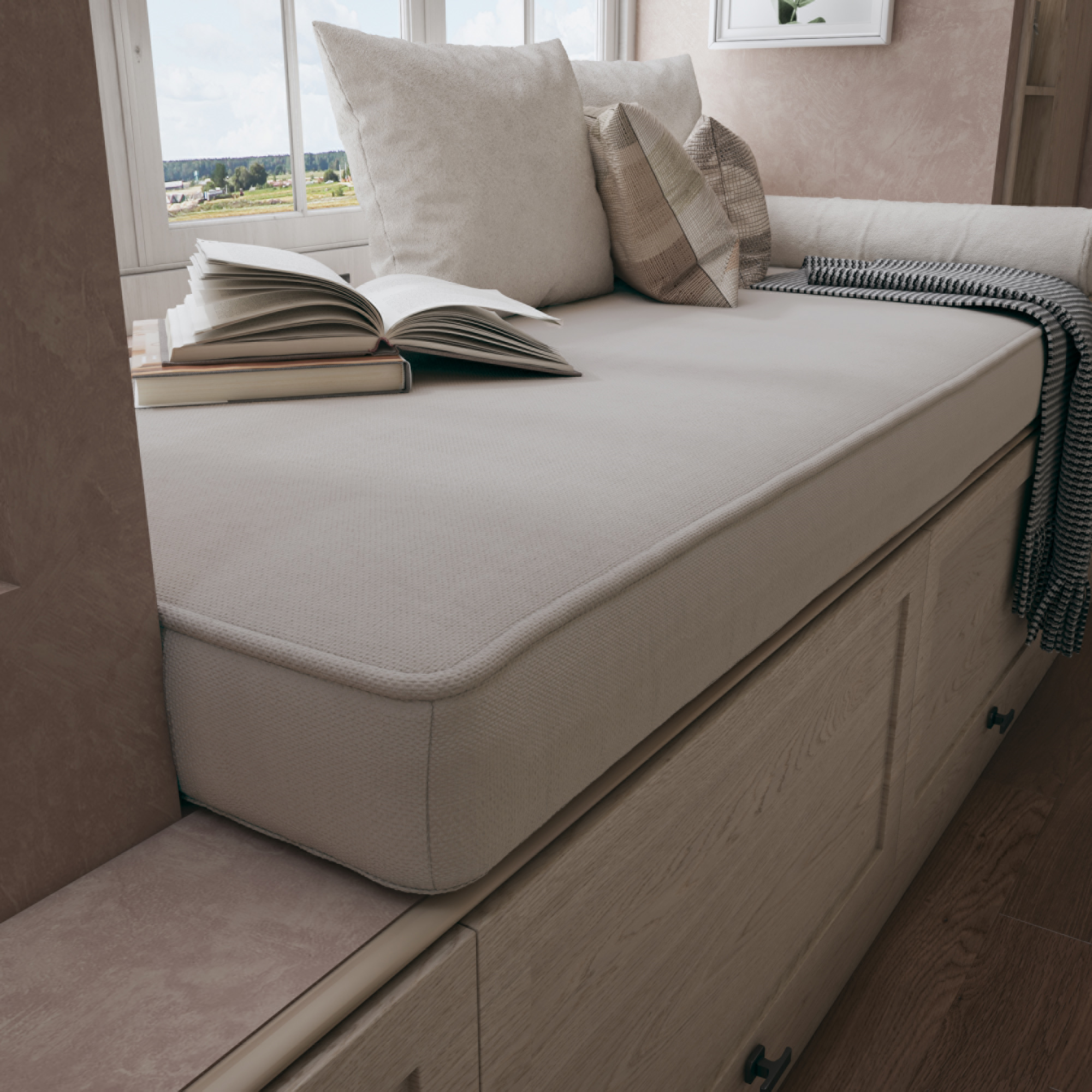
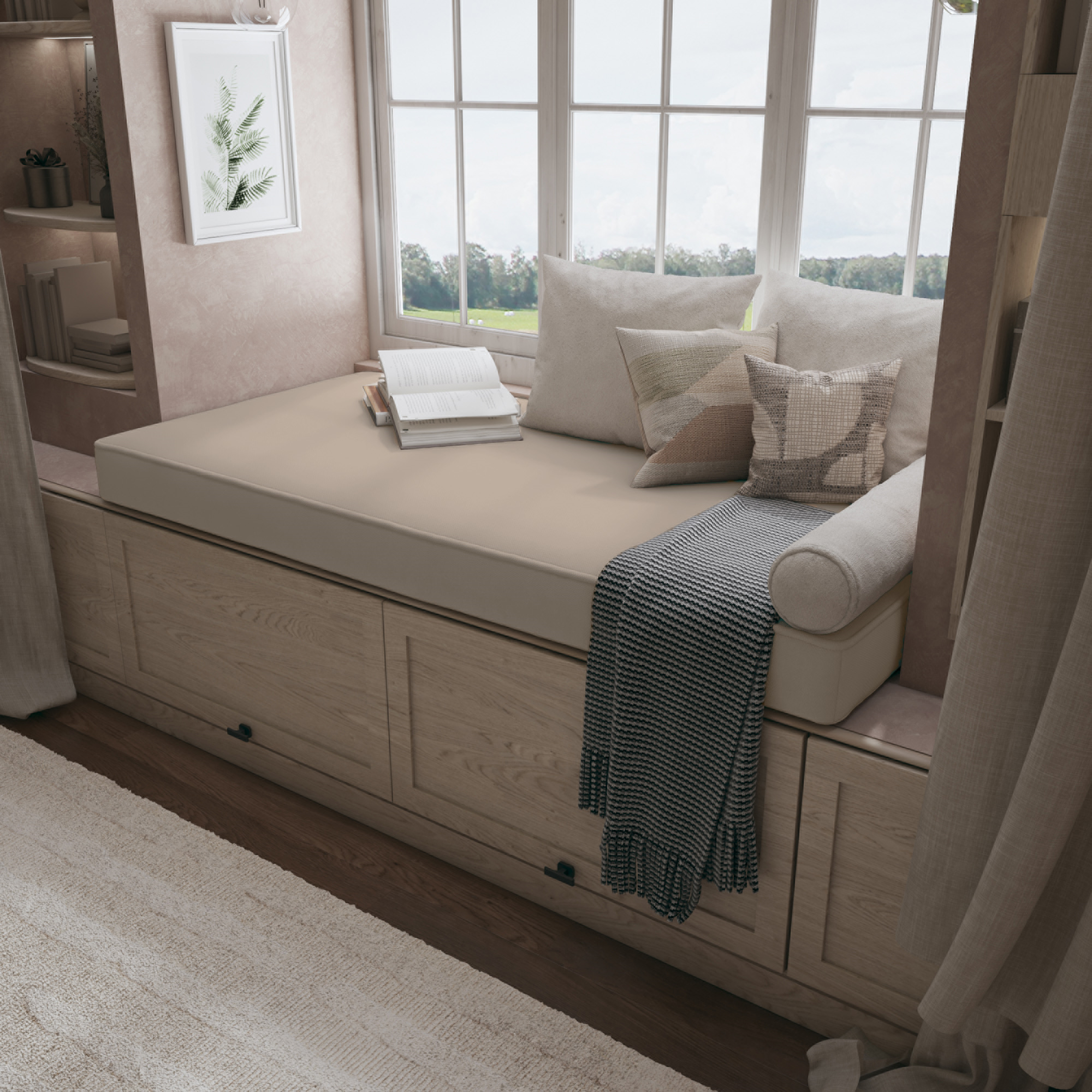
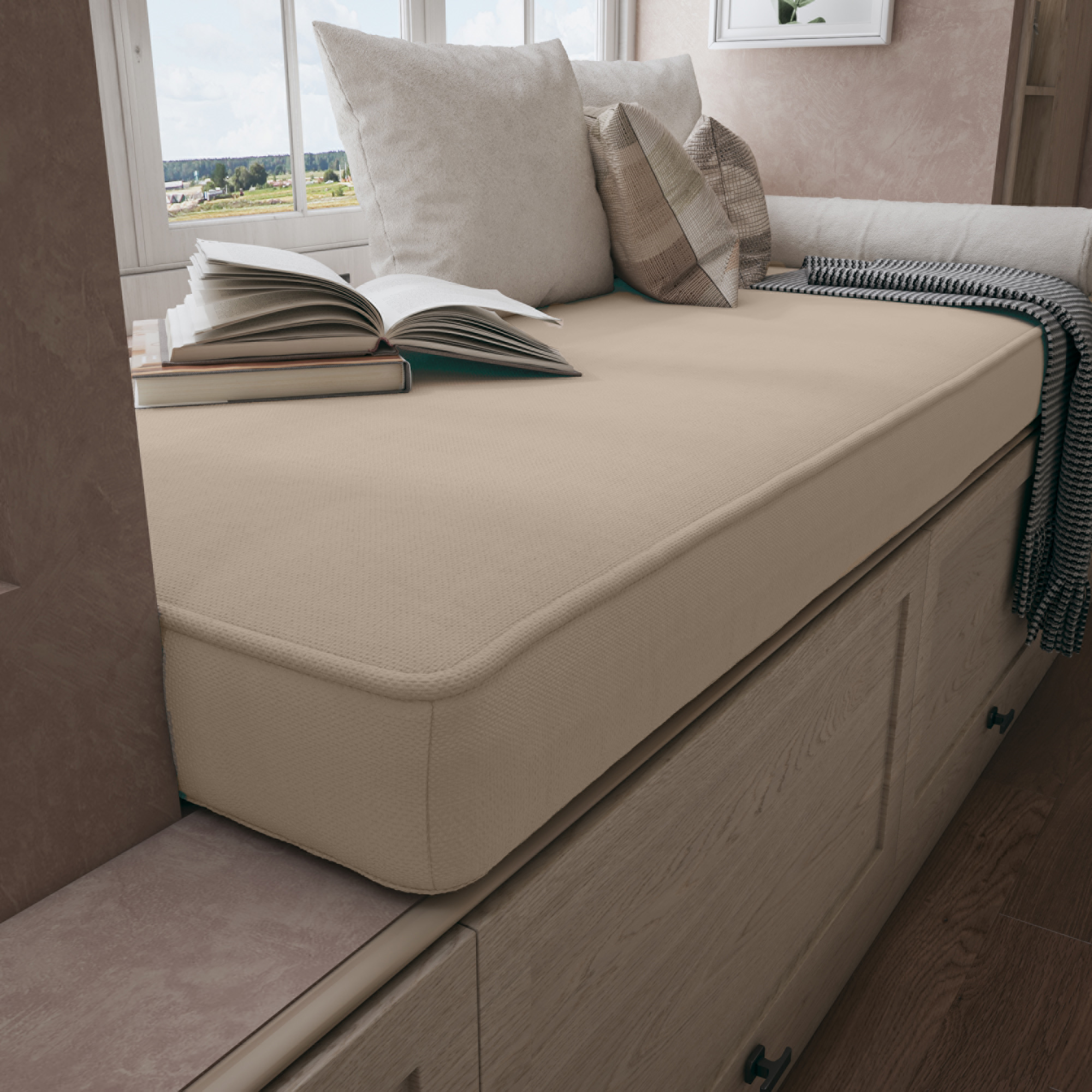
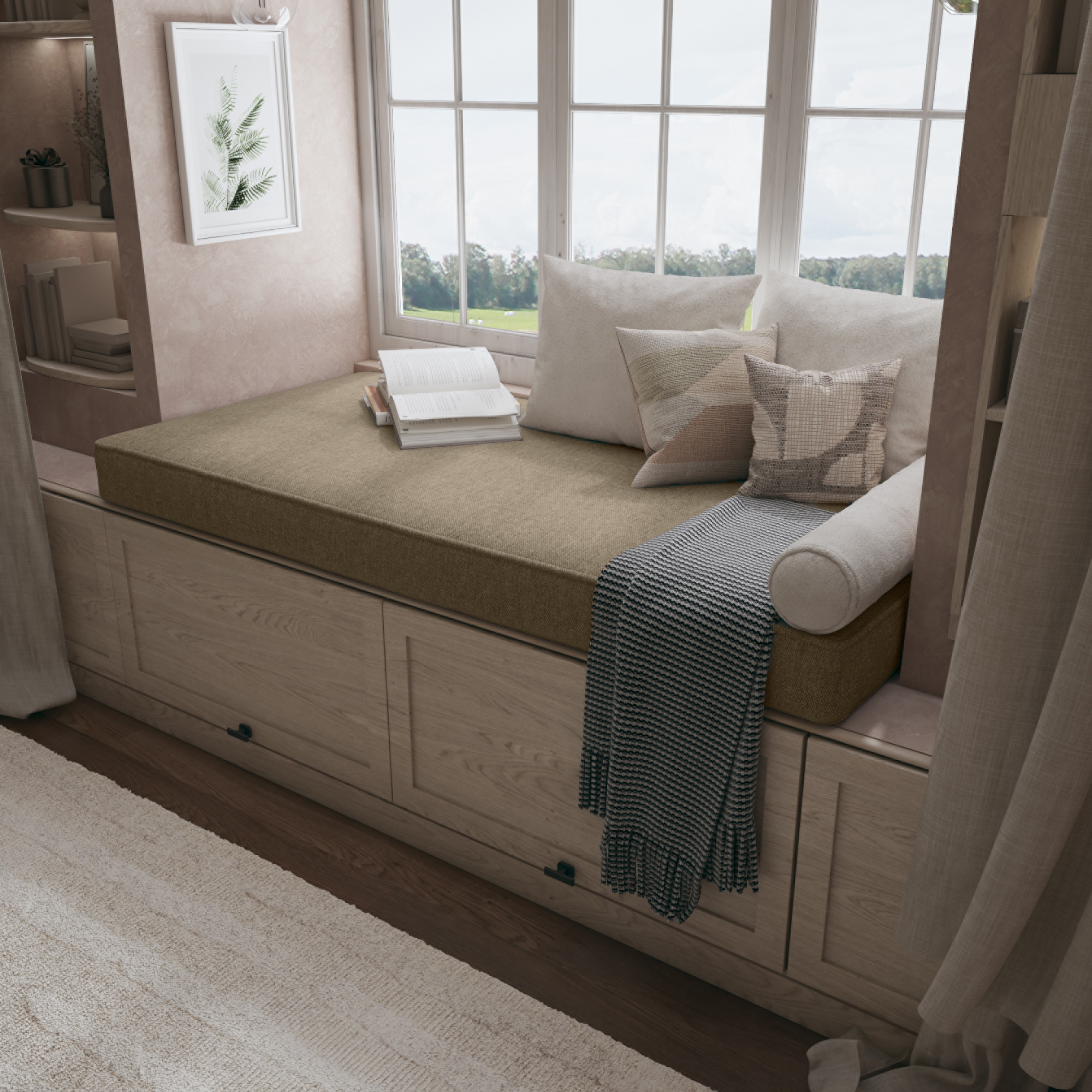
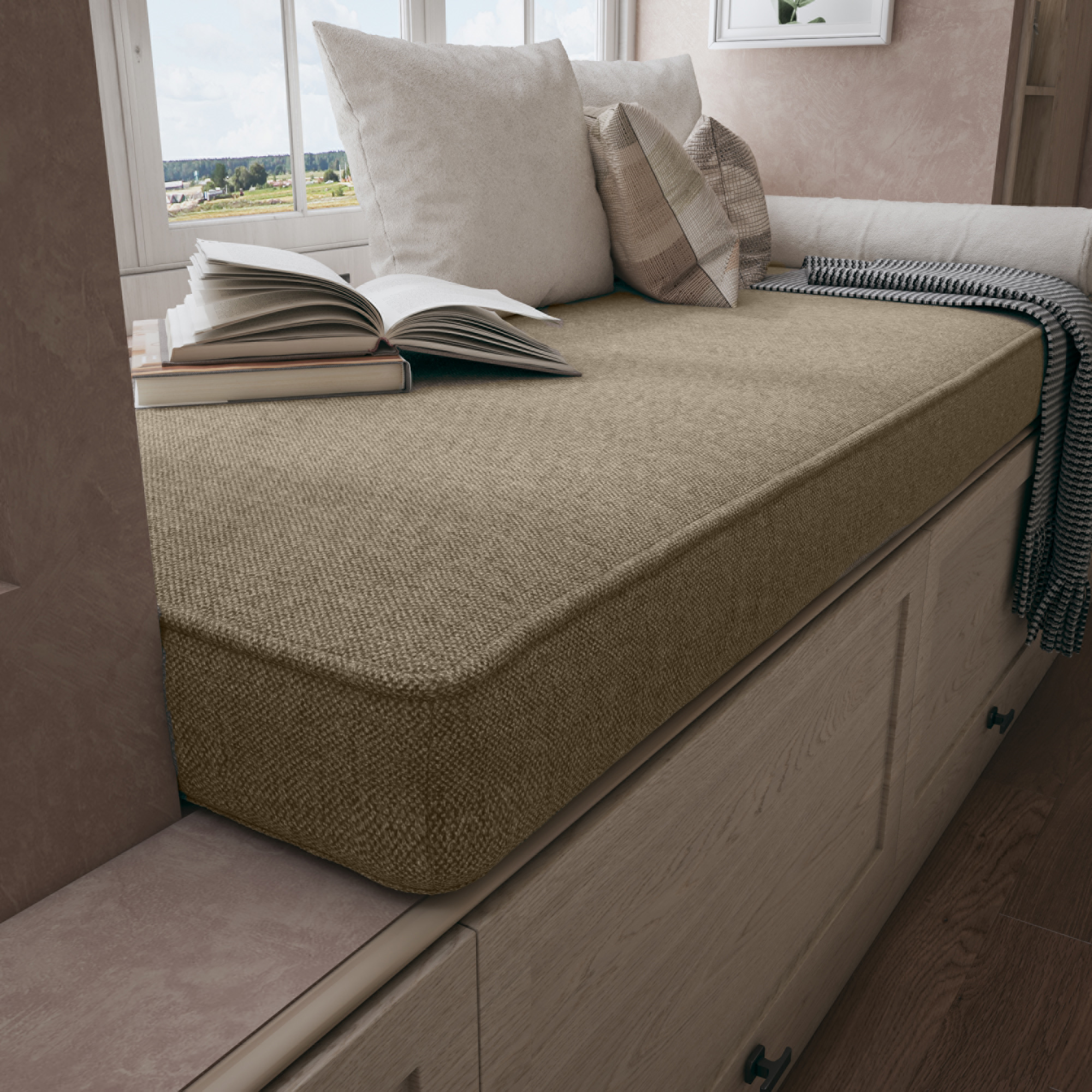
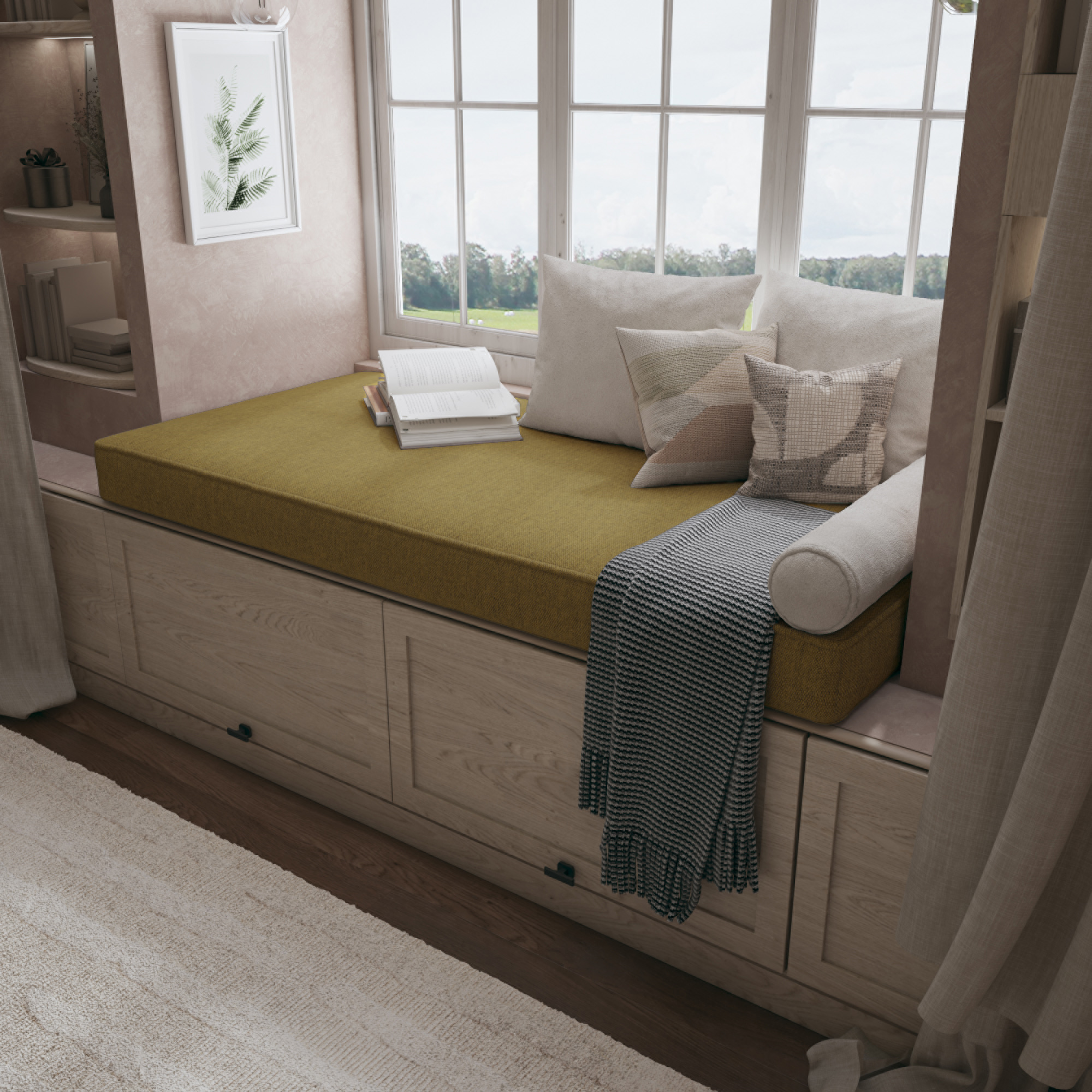
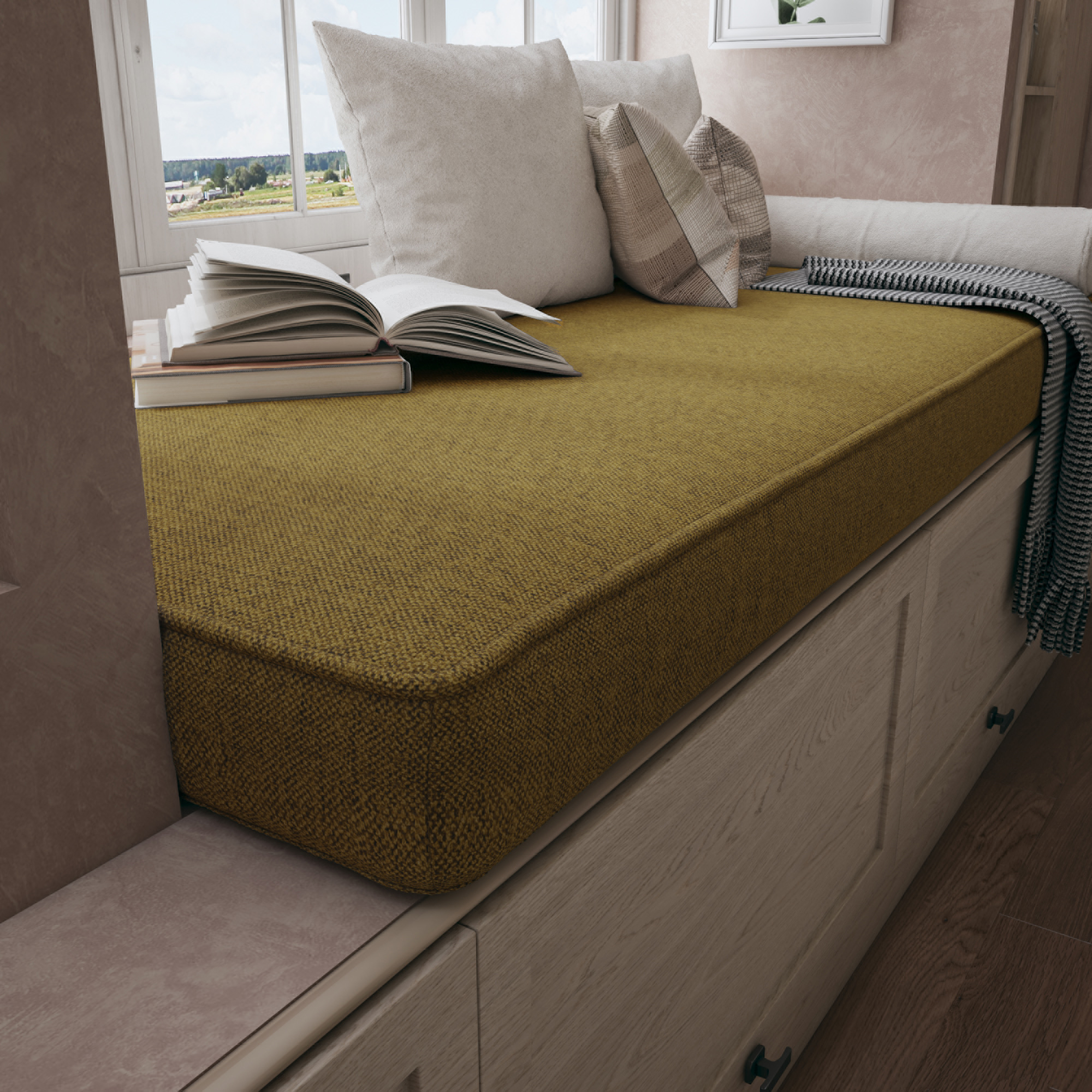
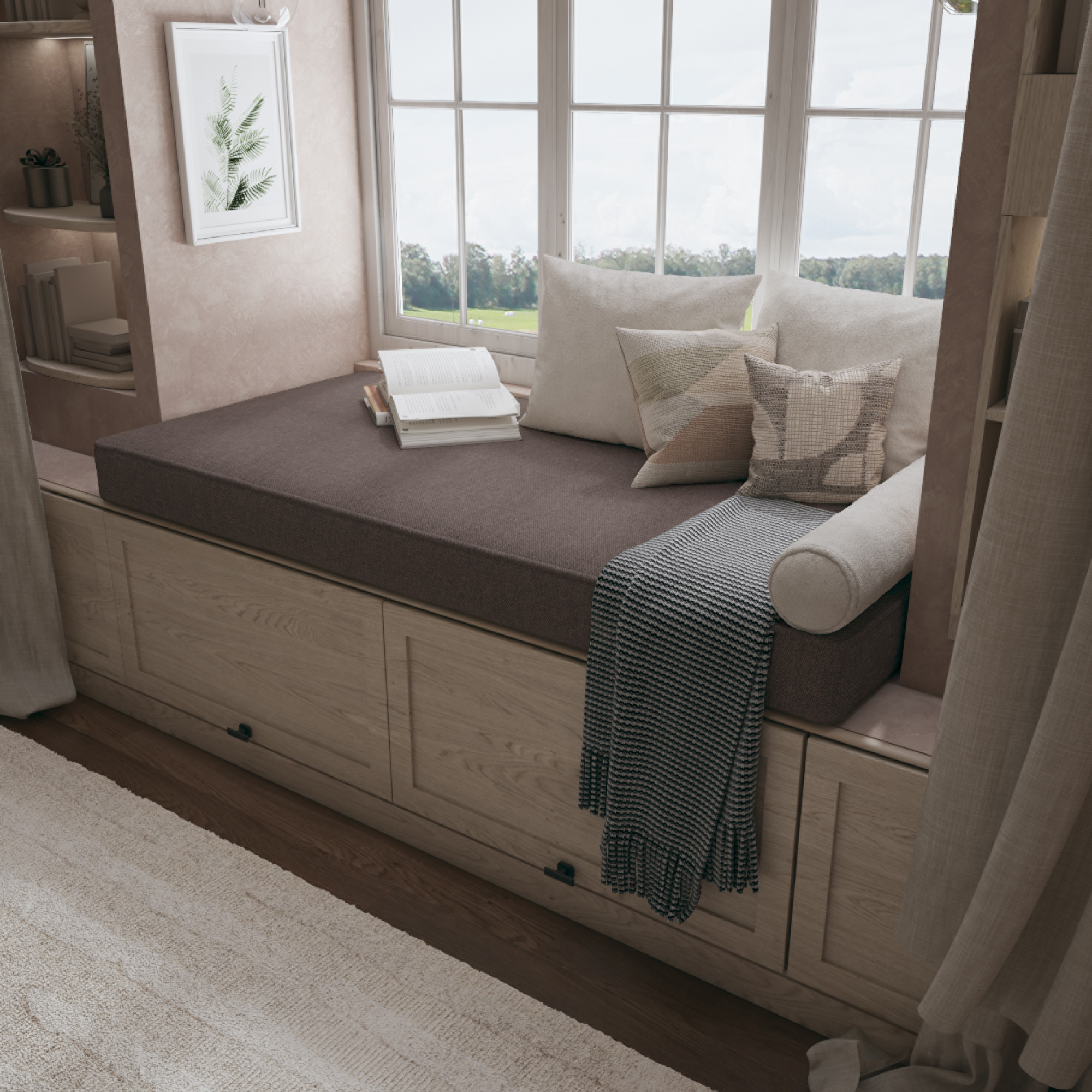
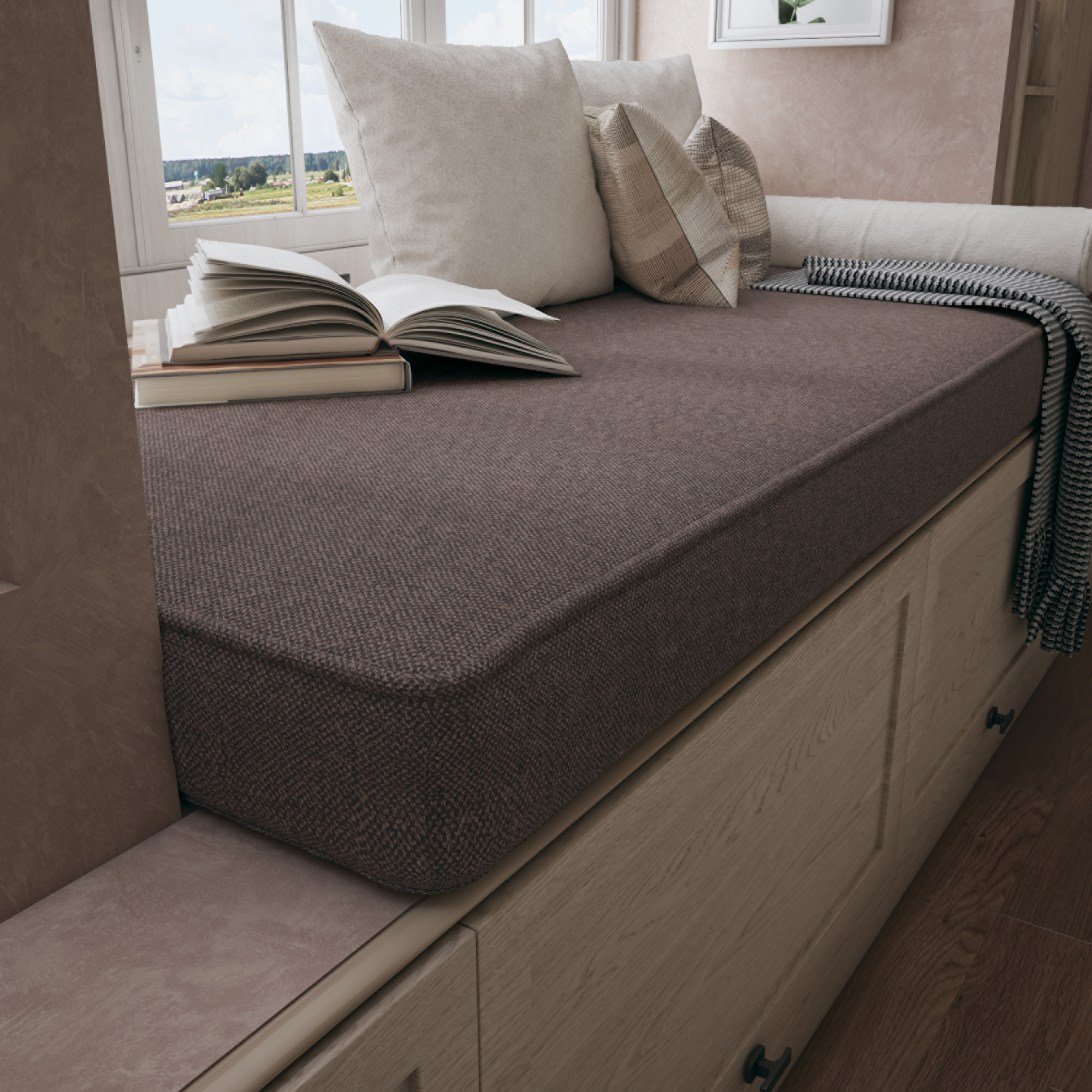
A well-designed bench should do more than simply provide a place to sit. It should contribute to the comfort, character, and overall visual balance of the room. In many interiors, benches appear in spaces that blend function with style, including dining areas, entryways, bedrooms, and window nooks. In these settings, the cushion becomes one of the most important details, because it directly affects both the appearance and usability of the seat. This is why a tufted bench cushion continues to be one of the most popular choices for homeowners who want seating that feels polished, supportive, and visually refined.
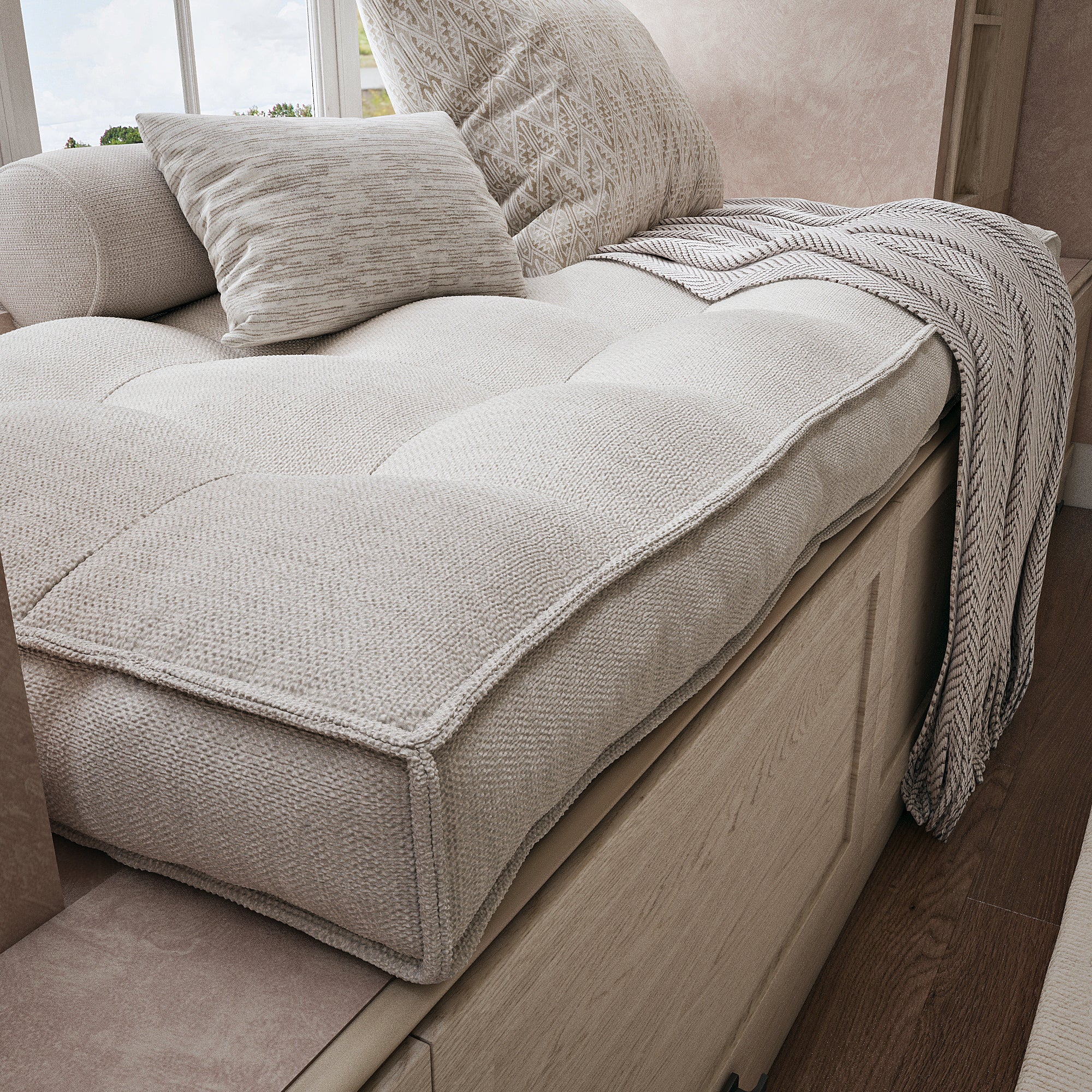
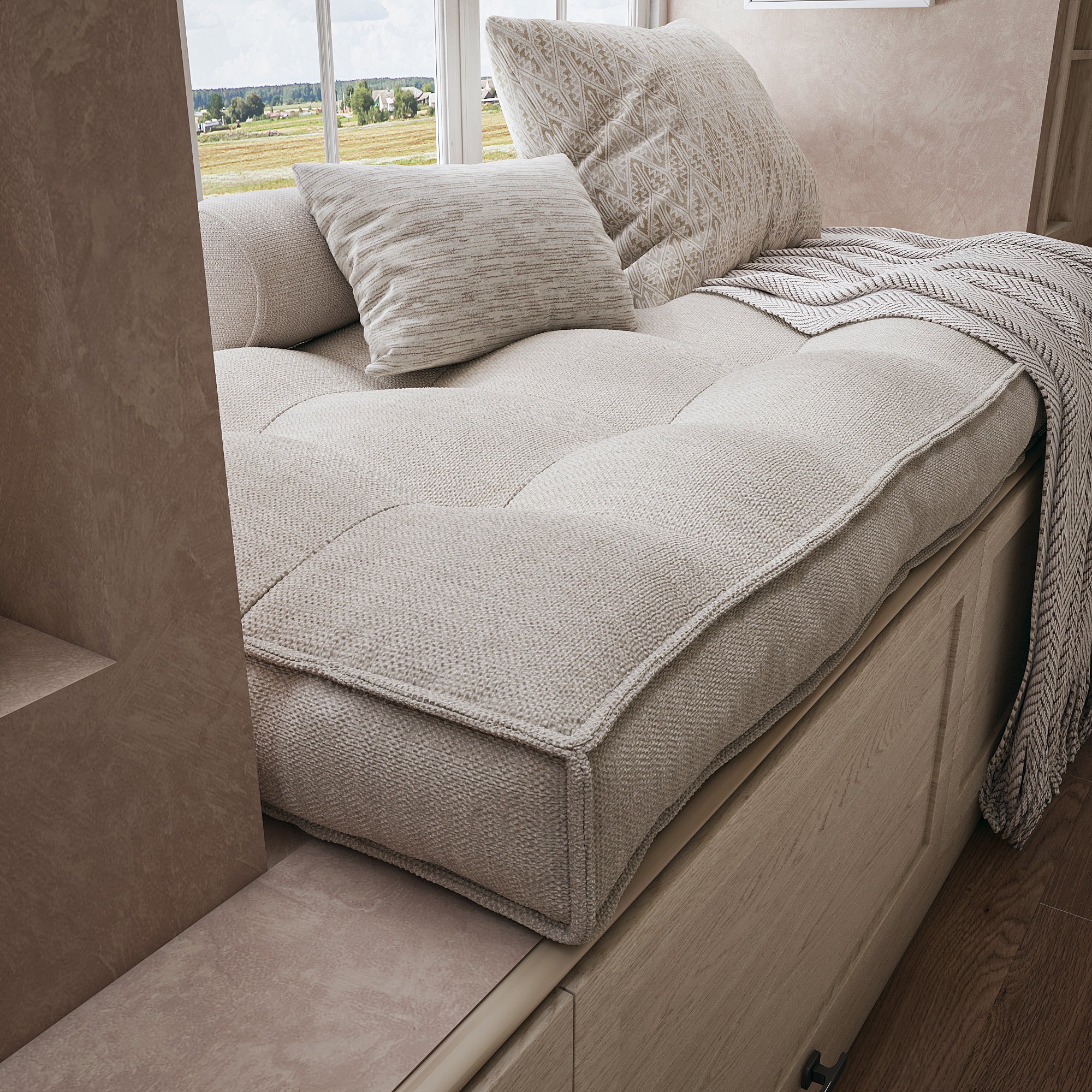
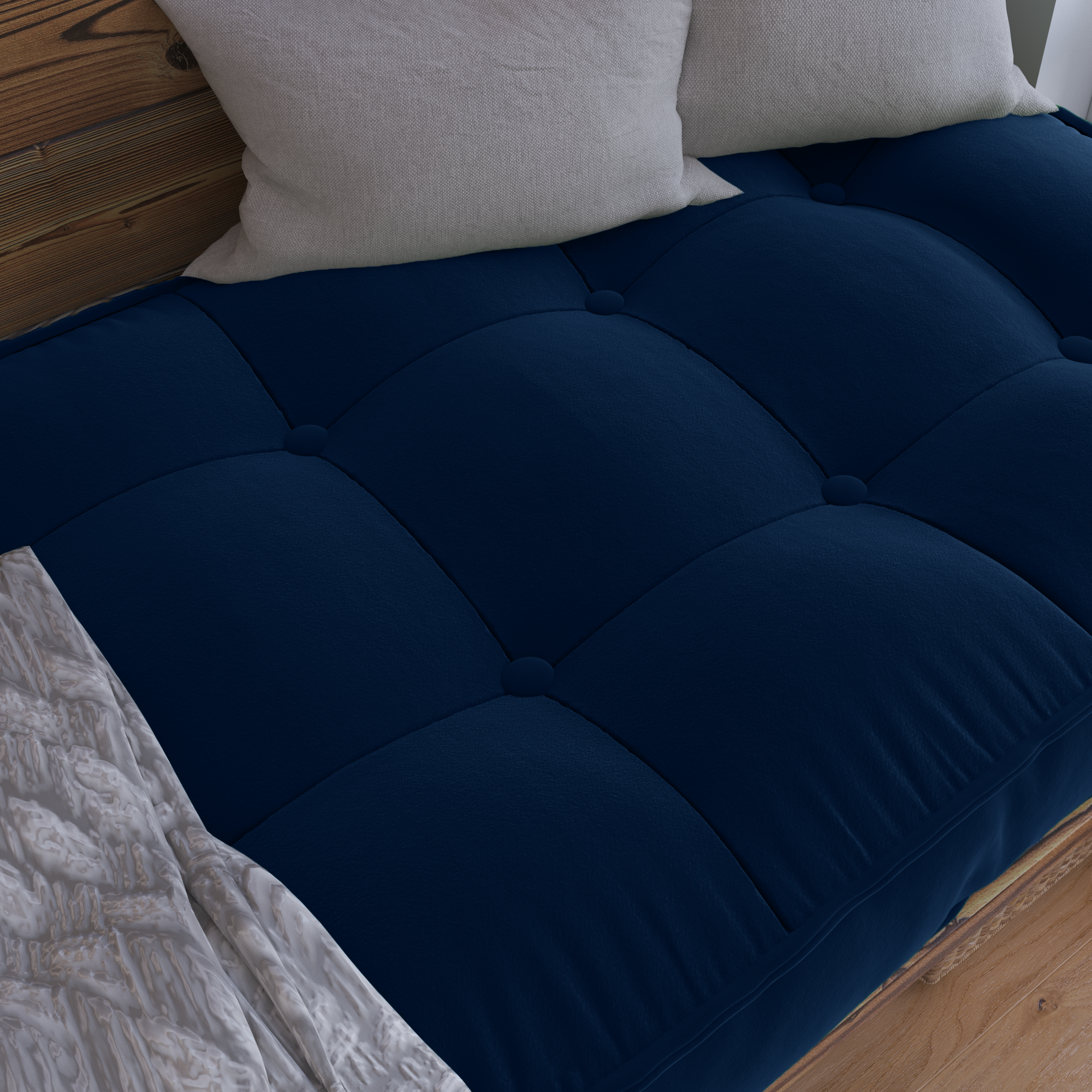
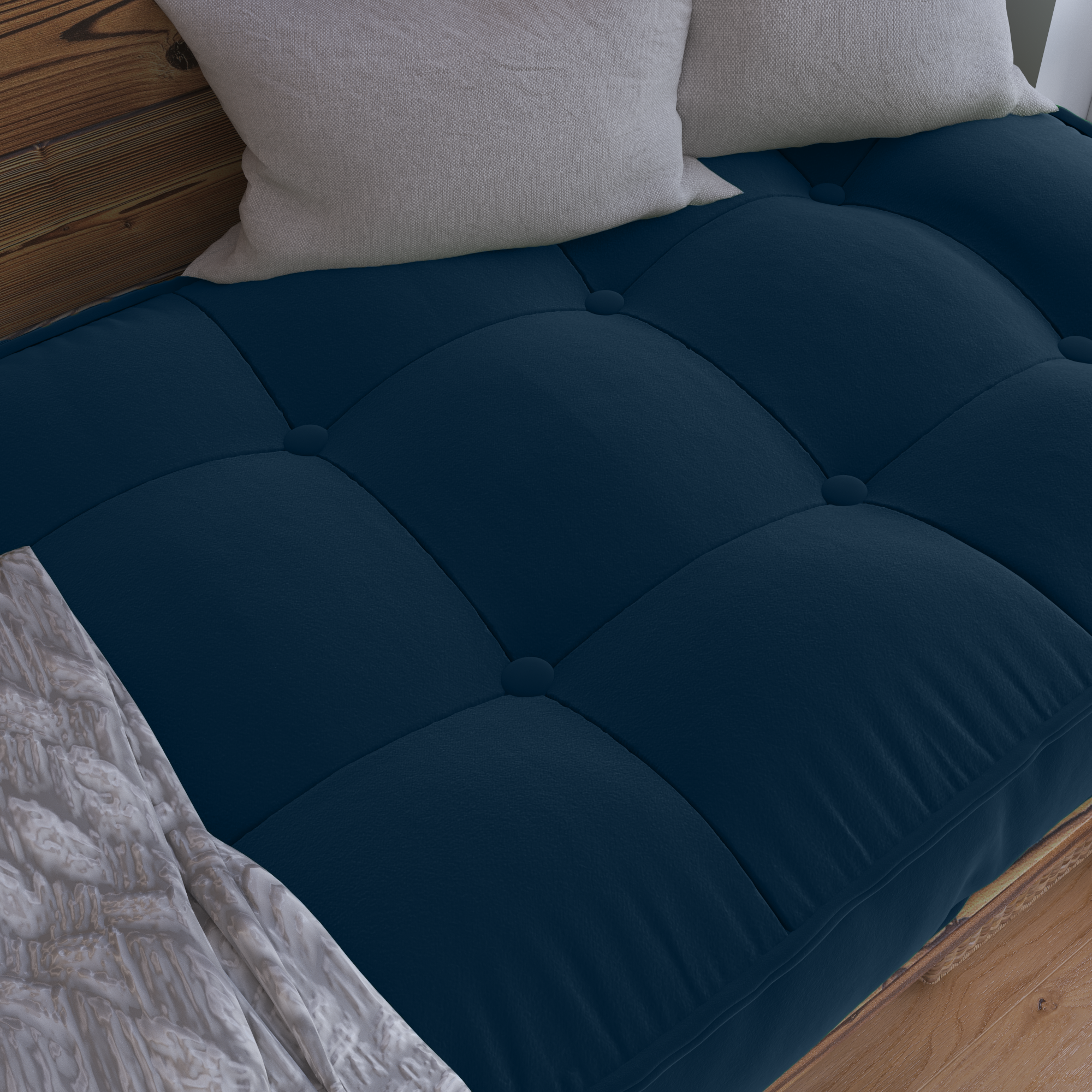
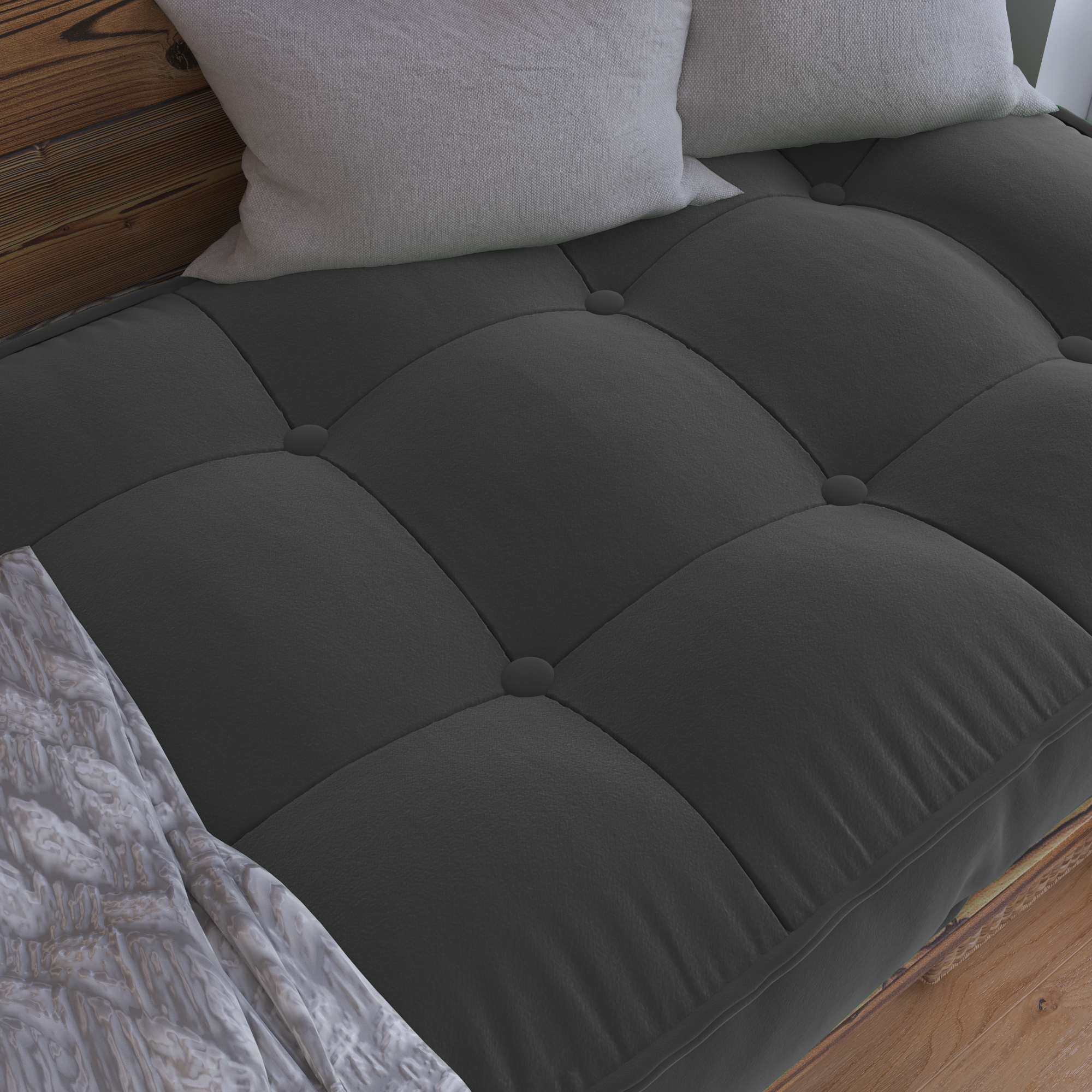
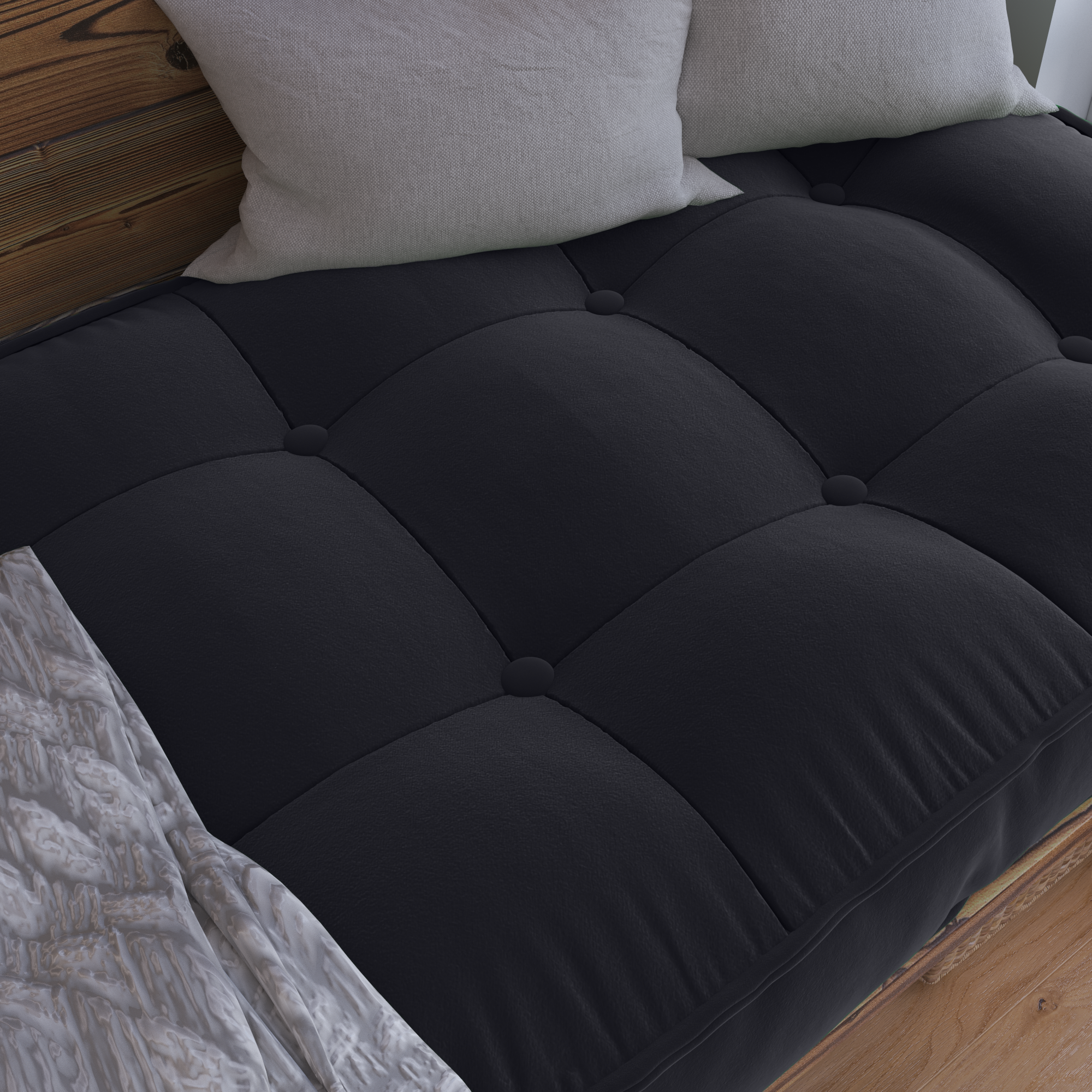
Unlike plain cushions with a flat surface, tufted designs introduce a more intentional and structured look. The stitched sections create gentle dimension across the fabric, giving the cushion depth and helping it look more tailored. At the same time, this construction is not only decorative. Tufting also plays a practical role by helping the filling stay evenly distributed, which supports long-term comfort and shape retention. For anyone updating a bench for daily use or decorative styling, this cushion style offers a balanced solution that combines elegance with durability.
What Is a Tufted Bench Cushion?
A tufted bench cushion is a seat cushion designed with stitched or buttoned sections placed across the surface at regular intervals. These sections pull the upper fabric inward, creating a subtle pattern that gives the cushion its distinctive look. The result is a seat that appears more detailed and finished than a standard flat cushion.
The design does more than improve aesthetics. Tufting helps stabilize the inner filling so that it remains more evenly spread throughout the cushion. In a regular cushion, the filling may shift over time, causing uneven support or visible flattening in certain spots. A bench tufted cushion reduces this issue by helping the interior materials stay better aligned with the overall shape of the seat.
Because of its clean yet decorative appearance, this style works easily with different interior concepts. It can complement modern spaces with soft structure, classic rooms with layered texture, or transitional interiors that combine timeless and contemporary details.
How Tufting Improves Cushion Comfort and Durability
One of the main reasons tufted cushions remain so widely used is their ability to improve both daily comfort and long-term performance. Seating surfaces experience repeated pressure, and over time this can cause traditional cushions to lose shape, sag, or feel uneven. Tufting helps prevent this by securing the filling more consistently within the cushion.
When the inner material stays in place, the seat provides a more balanced sitting experience. Instead of feeling firmer in one area and softer in another, the cushion stays more uniform across the surface. This improves support and makes the bench more comfortable to use for longer periods, whether during meals, reading, or casual everyday seating.
Tufting also contributes to durability. A cushion that keeps its structure is less likely to develop worn-looking spots or lose its original shape too quickly. This makes tufted designs especially valuable in high-use areas such as hallways, breakfast nooks, and dining spaces. Rather than needing frequent adjustment, the cushion maintains a more stable and refined appearance through regular use.
Common Materials Used in Tufted Bench Cushions
The quality of a cushion depends heavily on the materials used in both the outer cover and the interior fill. Fabric influences the appearance, texture, and maintenance level of the cushion, while the filling determines how firm or soft the seat feels in daily use.
Natural and woven fabrics are common choices because they offer comfort and visual versatility. Cotton blends are often preferred for their softness and practicality, while linen-look materials create a more relaxed and airy finish. Chenille adds texture and warmth, making it a strong choice for cozy interior arrangements.
For more decorative settings, velvet stands out as a rich and elegant option. A tufted velvet bench cushion can instantly make a bedroom bench, dressing area, or accent seat feel more sophisticated. The fabric reflects light differently than flatter weaves, which adds visual depth and a more luxurious finish.
Fabric Options for Tufted Bench Cushion Designs
Fabric selection should always match how the bench will be used. If the cushion is intended for everyday seating, more durable upholstery-grade fabrics usually provide the best balance of comfort and resilience. Tightly woven materials are often easier to maintain and better suited to busy households.
In decorative settings, softer and more expressive textures may be the priority. A custom tufted bench cushion allows homeowners to choose a fabric that works precisely with the room’s palette, furniture style, and comfort expectations. This is especially helpful when the bench is part of a built-in design or when an exact visual match is important.
Filling Types: Foam, Polyester, or Memory Foam
The interior filling determines the seating experience. High-density foam is one of the most reliable options because it provides firmer support and maintains its shape well over time. Polyester fill creates a softer feel, although it may compress more quickly depending on use. Memory foam offers a more adaptive and cushioned experience by responding to pressure and body weight.
Many premium designs combine these materials for a more balanced result. A layered construction can create a seat that feels supportive without becoming too rigid. This type of structure is often preferred when comfort and durability are equally important.
How to Choose the Right Tufted Bench Cushion Size
Size has a major impact on both appearance and function. A cushion that is too small can leave noticeable gaps around the edges of the bench, while one that is too large may wrinkle, slide, or look bulky. For the best result, the cushion should align neatly with the dimensions of the seat.
The width and depth of the bench should be measured carefully before selecting a cushion. Thickness should also be considered based on how the bench is used. Thinner cushions create a cleaner and more minimal look, while thicker ones add softness and provide better comfort during longer seating periods.
This is especially important when selecting a tufted dining bench cushion, since dining seating should feel supportive while still maintaining a practical sitting height at the table. A well-sized cushion makes the bench feel integrated into the room rather than simply accessorized.
Indoor vs Outdoor Tufted Bench Cushion
The environment where the cushion will be used should always guide the material choice. A tufted bench cushion indoor model is usually made with softer, comfort-focused fabrics that are best suited to protected interiors. These cushions often emphasize appearance, texture, and daily seating comfort.
By contrast, a tufted outdoor bench cushion must be made with more durable materials that can handle sun exposure, moisture, and changing weather conditions. Outdoor fabrics are typically engineered to resist fading and wear while drying more efficiently than standard indoor textiles.
Using the right type in the right setting is essential for preserving both performance and appearance. While indoor and outdoor versions may look similar, the material construction determines how well the cushion will hold up over time.
Where to Use a Tufted Bench Cushion at Home
Tufted bench cushions are versatile enough to work in many rooms of the home. Their structured appearance helps them feel more refined than standard seat pads, which makes them especially useful in spaces where the bench plays both a practical and decorative role.
Entryway and Hallway Benches
In an entryway, a bench is often one of the first functional pieces people notice. Adding a cushion makes the area feel more inviting and comfortable while also creating a more finished visual impression. In hallways, tufted cushions help soften narrow seating areas and bring warmth to transitional spaces.
Dining and Kitchen Benches
Dining benches benefit greatly from added comfort, especially in households where meals are shared slowly or seating is used often throughout the day. A well-made cushion helps create a more enjoyable setting and contributes to a cohesive dining layout. In kitchens, it also supports the casual comfort that makes breakfast corners and banquettes feel welcoming.
Care and Cleaning Tips for Tufted Bench Cushions
Regular maintenance helps preserve both the structure and appearance of a tufted cushion. Light cleaning should be done consistently so dust and debris do not settle into the fabric or stitched sections. Gentle spot cleaning is usually the best approach for minor marks, especially when using fabric-safe cleaning solutions.
Rotating the cushion from time to time can also help distribute wear more evenly. In homes with frequent use, this simple habit can support better shape retention. When removable covers are available, maintenance becomes even easier and helps extend the life of the cushion.
Is a Tufted Bench Cushion Worth Buying?
A tufted bench cushion offers much more than decorative value. It improves comfort, helps maintain a balanced seating surface, and gives the bench a more polished and intentional look. Because the tufted construction supports shape retention and reduces filling movement, it also performs better over time than many standard cushions.
For homeowners who want to improve both function and style, this type of cushion is a worthwhile choice. Whether placed in an entryway, on a dining bench, or in a cozy reading corner, it adds softness and structure in equal measure. When selected in the right size, fabric, and filling, a tufted cushion becomes a lasting detail that enhances the entire seating area.
